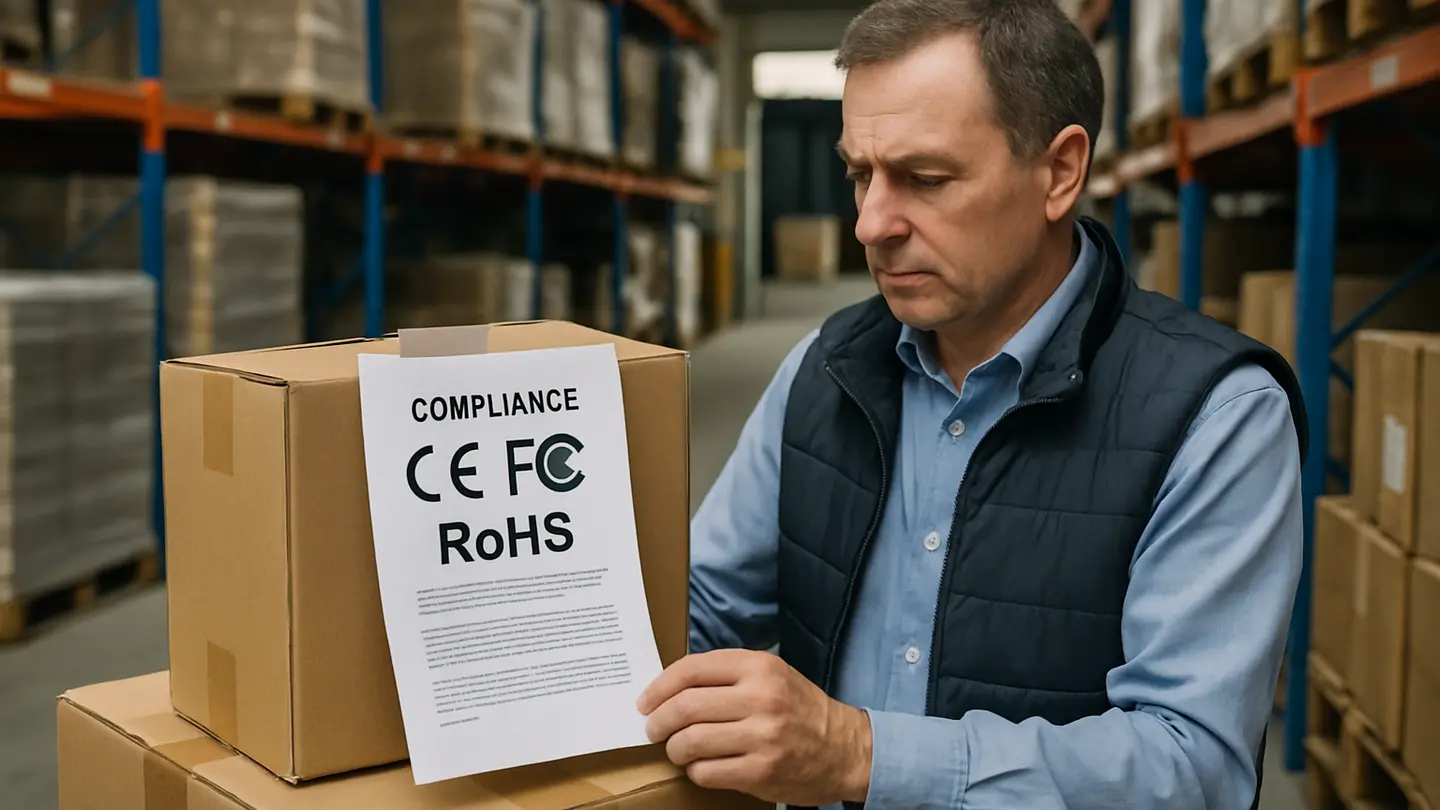
A low ex-factory quote can make a shower manufacturer look competitive, but it rarely shows the buyer’s true cost. Shower products may include metal fittings, valves, hoses, plastic parts, glass panels, finishes, labels, cartons, inserts, and compliance documents. Each can create cost variance before goods reach the warehouse.
A proper Shower Manufacturer Cost Analysis rebuilds cost from specifications, BOM data, packaging, logistics, quality control, and import assumptions. The goal is not only to reduce the quoted price, but to protect margin from hidden landed-cost risks after the purchase order is approved.
Why Shower Factory Quotes Often Understate the Real Cost
Most shower factory quotes cover the supplier’s direct production scope: materials, labor, overhead, and margin. Depending on the Incoterm and quotation format, they may exclude costs outside the factory gate, including:
- Inland trucking from factory to port
- Export handling and documentation
- International freight
- Cargo insurance, where applicable
- Import duties and taxes
- Customs brokerage
- Port, terminal, and destination charges
- Final warehouse delivery
- Factory audits and product inspections
- Reinspection after failed quality checks
- Corrective rework or replacement parts
- Compliance testing and document review
- Packaging redesign or labeling changes
Shower products need close review because small specification differences can change both quality and cost. A valve cartridge, hose, seal, coating thickness, finish color, glass thickness, bracket material, or carton structure may look minor on paper but materially affect performance, durability, inspection results, and freight efficiency.
For example, a shower set with an attractive unit price may require stronger packaging after sample review. A glass enclosure may need better corner protection, increasing carton dimensions and reducing container loading quantity. A valve assembly may require leakage testing. Finish inconsistency can lead to rework or customer complaints if approved samples are not tightly controlled.
Before approving a supplier, buyers should separate the quoted product price from shipping, testing, compliance, sourcing labor, and supplier-management costs. A quote that says “included” is not necessarily transparent; it may simply hide where the money is going.
A Practical Workflow for Exposing Hidden Shower Sourcing Costs
A repeatable workflow helps procurement teams compare shower manufacturers on total cost rather than headline unit price. The process should validate supplier quotes against samples, drawings, specifications, BOM data, packaging details, and logistics assumptions.
Standardize Each Shower Quote Into Comparable Cost Lines
Supplier quotes often arrive in different formats. One factory may quote ex-factory, another FOB, and another door-to-door. Some include packaging; others show it separately. Tooling, inspection support, export fees, or administrative costs may be bundled into the unit price.
To compare shower manufacturers fairly, convert every quote into the same cost fields:
| Cost line | What to check |
|---|---|
| Materials | Metals, plastics, glass, seals, hoses, valves, finishes |
| Labor | Assembly, polishing, packing, testing |
| Surface finish | Chrome, matte black, brushed, painted, plated, or other finishes |
| Accessories | Brackets, fasteners, washers, labels, manuals |
| Packaging | Inner box, master carton, inserts, edge protection, pallets |
| Tooling | Molds, dies, jigs, fixtures, artwork setup |
| Quality control | Factory checks, third-party inspections, leakage or function tests |
| Inland freight | Factory to port or consolidation warehouse |
| Export fees | Documentation, customs export handling, port charges |
| International freight | Ocean, air, or multimodal shipment |
| Import and delivery | Duties, brokerage, destination fees, final delivery |
This normalization turns confusing offers into an apples-to-apples comparison. It also helps buyers ask better questions: Why is one supplier’s packaging cost higher? Why does another show no tooling cost? Why is one door-to-door quote much lower than the freight forwarder’s estimate?
Without standardized lines, the cheapest unit price may simply be the least transparent quote.
Rebuild the Shower Product BOM From Materials and Packaging
A shower manufacturer’s price should be tested against the actual product structure. Review the BOM line by line, including:
- Shower body components
- Cartridges, valves, diverters, or mixers
- Hoses and connectors
- Brackets, holders, rails, and fasteners
- Seals, washers, and gaskets
- Surface finishes and coatings
- Labels, barcodes, and instruction sheets
- Inner boxes and retail packaging
- Master cartons
- Foam, molded pulp, paper, corner guards, or other protection
The BOM review should include physical sample inspection, not only drawings or spreadsheets. Samples reveal whether the product is overengineered, underprotected, or inconsistent with the written specification. They also show whether packaging contains void space, weak carton material, oversized inserts, or unnecessary retail elements.
Packaging affects both material cost and freight efficiency. Bulky shower systems, enclosures, hand shower kits, and fragile glass components consume container space quickly. A slightly oversized carton may reduce loading quantity enough to erode margin.
Packaging changes should aim for better protection with less wasted space: improved nesting, redesigned inserts, stronger but thinner materials, or more efficient master carton dimensions.
Keep Tooling, Molds, and Setup Fees Out of Recurring Unit Cost
One-time costs should be separated from recurring production costs. For shower products, these may include:
- Plastic injection molds
- Die-casting molds
- Custom jigs and fixtures
- Punching or forming dies
- Custom packaging setup
- Artwork and label setup
- Sample development
- Testing setup
- Product-specific inspection fixtures
If a supplier buries these fees in the unit price, the buyer may keep paying for them after the initial run. If amortization is used, document the cost, quantity, and what happens after that quantity is reached. Buyers should also clarify tooling ownership, maintenance responsibility, storage, and whether tooling can be used for other customers.
Separating startup costs improves comparison. One factory may have a lower unit price but a high mold charge. Another may include the mold in the unit price. Without separating one-time charges, the buyer cannot see true long-term economics.
Calculate Landed Cost Under the Incoterm You Actually Plan to Use
Landed cost is the total cost to move goods from the shower manufacturer to the buyer’s warehouse or distribution point. It includes product price plus logistics, import, compliance, and delivery costs needed to make the goods commercially usable.
A landed-cost model should include:
- Product cost
- Packaging cost, if not already included
- Inland freight at origin
- Export clearance and port handling
- International freight
- Insurance, where applicable
- Import duties and taxes
- Customs brokerage
- Destination terminal and port charges
- Local delivery
- Inspection and reinspection costs
- Compliance document costs
- Administrative and supplier-management effort
Incoterms matter because they define which party pays which costs and who carries risk at different shipment stages. An FOB quote can give clearer visibility because the buyer controls main freight and destination handling.
Door-to-door or DDP pricing may be convenient, but it can hide logistics markups unless the supplier unbundles freight, duty assumptions, brokerage, destination charges, and delivery cost. DDP pricing is not automatically wrong; the risk is opacity.
Run Cost Scenarios for Freight, Packaging, Duty, and Inspection Risk
A practical cost model should compare at least three scenarios:
- Supplier-quoted cost — the cost shown in the original quote.
- Realistic landed cost — the buyer’s best estimate after freight, duties, inspections, documentation, and local charges.
- Optimized cost — the expected cost after packaging, logistics, MOQ, or specification improvements.
For shower products, freight sensitivity should be modeled using carton dimensions, gross weight, CBM, loading quantity, and container utilization. Bulky items such as shower enclosures, panels, columns, and large kits can lose margin quickly when cartons are oversized or container density is poor.
Inspection risk should also be costed. A failed inspection may lead to:
- Rework labor
- Replacement parts
- Reinspection fees
- Delayed shipment
- Expedited freight
- Missed retail or project delivery windows
- Customer claims or chargebacks
- Extra warehousing or handling
Duty assumptions should be reviewed before order placement. Tariff classification must be accurate and legally supportable; buyers should not rely on informal supplier suggestions if classification affects duty exposure. Freight rates, surcharges, and destination fees should also be refreshed before production release.
Negotiate the Full Shower Cost Stack Instead of Only the Unit Price
Negotiating only the unit price can push cost into areas the buyer cannot see. A better approach is to negotiate the full stack: materials, finish specifications, packaging, tooling, MOQ, payment terms, inspection scope, logistics, and documentation.
Key negotiation points include:
- Exact material grades and component specifications
- Approved valve, cartridge, hose, seal, and fitting requirements
- Finish standard, color tolerance, and surface defect limits
- Packaging materials and carton dimensions
- Responsibility for packaging failures
- MOQ and price breaks
- Payment terms and deposit exposure
- Tooling ownership and amortization
- Inspection timing and cost responsibility
- Approval process for substitutions
Any material, finish, component, or packaging substitution should require buyer approval. A supplier under price pressure may seek savings in areas difficult to detect until inspection or customer use: thinner materials, cheaper seals, inconsistent finishes, weaker cartons, lighter fittings, or reduced testing.
The objective is to remove unnecessary cost while preserving the required specification. Separate invoices or cost lines for tooling, logistics, inspections, and recurring production help track true total cost over multiple orders.
Set Quality, Packaging, and Compliance Controls Before Releasing the PO
Cost control should be locked into the purchase order and supplier agreement before production starts. Once goods are produced, the buyer has less leverage.
The PO or commercial agreement should document:
- Approved samples
- Drawings and specifications
- Defect tolerances
- Finish standards
- Leakage or function checks, where applicable
- Packaging approvals
- Carton drop-test or handling expectations, if required
- Labeling and barcode requirements
- Instruction manual requirements
- Compliance document responsibility
- Inspection timing
- Reinspection responsibility
- Rework obligations
- Penalties or remedies for failed inspections, where commercially appropriate
Certification or test documents should be reviewed before shipment rather than after goods arrive. Missing or incorrect documents at destination can create delays, storage costs, or inability to sell in the intended market.
A landed-cost tracker should cover quote intake, BOM audit, one-time charges, recurring unit cost, packaging, freight, duties, inspections, compliance documents, and scenario analysis. This makes cost control repeatable rather than a one-time negotiation.
What Buyers Gain From a Full Shower Manufacturer Cost Review
A full shower manufacturer cost review gives buyers clearer gross-margin visibility. It exposes the difference between an attractive quote and the real commercial cost of getting saleable goods into inventory.
Savings may come from:
- Reducing logistics markups
- Improving carton density and container utilization
- Separating one-time tooling from recurring unit cost
- Reviewing duty exposure through accurate classification
- Tightening inspection and rework controls
- Avoiding unnecessary packaging material
- Clarifying supplier responsibility for defects or documentation gaps
- Reducing administrative surprises after the PO is placed
Different shower products leak margin in different ways. Bulky enclosures and panels are sensitive to freight volume, packaging structure, breakage protection, and loading plans. Metal fittings and shower assemblies are more exposed to material choice, finish consistency, coating quality, and component reliability. Valve-based products carry leakage, function, and inspection risk. Simple accessories may look low risk, but can still lose margin through packaging, labeling, MOQ, communication, and administrative effort.
The original supplier quote may exclude many of these categories even when the unit price looks attractive. That does not necessarily mean the supplier is acting improperly. It often means the quote answers a narrow question: “What is your price for making this item?” Buyers need to answer: “What is the total cost and risk of sourcing this product from this manufacturer under our conditions?”
Tariff classification review can reduce duty risk only when performed accurately and legally. Buyers should avoid treating duty optimization as a shortcut; it is a compliance-sensitive part of landed-cost planning.
Key Lessons for Controlling Shower Sourcing Costs
Shower sourcing cost control depends on disciplined review, not guesswork. The most useful improvements usually come from landed-cost modeling, startup-fee separation, quality controls, carton density, and category-specific margin analysis.
Base Negotiations on Landed Cost, Not the Factory Unit Quote
The factory unit quote is only one part of profitability. Buyers should negotiate from total landed cost, including freight, duties, compliance checks, inspection fees, destination charges, and final delivery.
Ask suppliers to unbundle overhead, freight, tooling, packaging, and documentation assumptions before negotiation. If a supplier cannot explain the cost structure, compare that quote carefully against more transparent alternatives.
Unit-price comparisons alone can misrepresent profitability. A supplier with a slightly higher unit price but better packaging efficiency, lower defect risk, and clearer logistics terms may produce a better landed result.
Treat Setup, Mold, and Tooling Charges as Separate Investments
Setup, mold, and tooling charges should not disappear into recurring unit economics. Track molds, dies, fixtures, custom packaging setup, test setup, artwork, and sample development separately.
This prevents repeated payment on later orders and supports renegotiation after the initial investment has been recovered. It also clarifies tooling ownership, access rights, maintenance, and replacement responsibility.
Use Factory Audits and Inspections to Protect Margin
Audits and inspections are not only quality formalities. They are margin-protection tools.
A pre-production audit can confirm whether the supplier has the equipment, processes, and controls needed. In-process checks can catch specification drift before the full order is completed. Pre-shipment inspections can identify defects, packaging failures, labeling issues, or missing documentation before goods leave the origin country.
Inspection spending can be justified when it prevents larger losses from defective products, leakage problems, finish inconsistency, carton failure, or delayed shipment. Proactive compliance planning also makes landed cost more predictable.
Improve Carton Density to Reduce Shower Freight Cost
Packaging is one of the most practical sourcing cost levers for shower products. Review carton size, inner protection, nesting, palletization, and container loading efficiency before mass production.
The goal is to protect goods without shipping unnecessary air. Oversized foam, inefficient inserts, poor nesting, or conservative carton dimensions can reduce units per container and raise freight cost per unit.
Potential improvements include:
- Redesigning inserts to reduce void space
- Using molded pulp or paper-based structures where appropriate
- Adjusting carton dimensions to improve container fit
- Separating components more efficiently inside the box
- Reviewing pallet patterns and stackability
- Testing protection before approving any reduction
Carton density directly affects freight economics and margin, especially when freight rates rise or products are bulky relative to selling price.
Model Margin Risk by Shower Product Type
Hidden cost patterns vary across shower categories.
Bulky shower enclosures, glass panels, and shower screens are sensitive to container utilization, breakage protection, handling damage, and replacement-part logistics. Cost control should focus on packaging engineering, loading plans, inspection, and damage responsibility.
Valves, faucets, mixers, and shower assemblies carry higher inspection and performance risk. Leakage testing, finish consistency, component compatibility, and seal quality should be clearly specified and checked.
Simple accessories such as holders, hoses, brackets, or small plastic parts may appear low risk, but can still leak margin through MOQ, labeling, packaging, supplier communication, and administrative cost. If item value is low, small fixed charges can materially affect landed unit cost.
Where commercially appropriate, purchase agreements should include remedies for failed inspections, late corrective action, or packaging nonconformance. The purpose is to assign responsibility before a problem occurs.
How Shower Sourcing Cost Control Should Evolve
China and other sourcing markets can remain cost-effective when buyers apply disciplined cost modeling instead of quote-driven purchasing. The right supplier may still offer strong value, but that value must be measured through landed cost, not only ex-factory price.
Procurement teams should compare regions and suppliers as tariffs, capacity, freight rates, compliance requirements, and lead times change. A supplier that was cost-effective under one freight or duty environment may become less competitive when conditions shift.
The core method remains consistent: rebuild the BOM, review packaging, model landed cost, separate one-time charges, verify compliance documents, and lock supplier controls before the purchase order. This transparent methodology protects margin and helps buyers distinguish operational evidence from unsupported supplier claims.
A shower manufacturer cost analysis is ultimately a commercial risk-control process. It helps buyers see where margin is earned, where it is lost, and which supplier offer is truly competitive after the goods reach the warehouse.