Choosing a shower manufacturer is only the first step in a sourcing project. For B2B buyers purchasing shower heads, shower systems, valves, faucets, shower columns, hoses, wall brackets, and related bathroom hardware, the bigger challenge is controlling what happens after the sample looks acceptable.
Shower products combine visible appearance, water performance, threaded connections, bought-in components, and export packaging. A small change in plating, gasket quality, cartridge source, hose length, thread standard, or carton strength can create leakage, returns, rework, or delivery disputes.
What to Confirm Before a Shower Manufacturer Starts Production
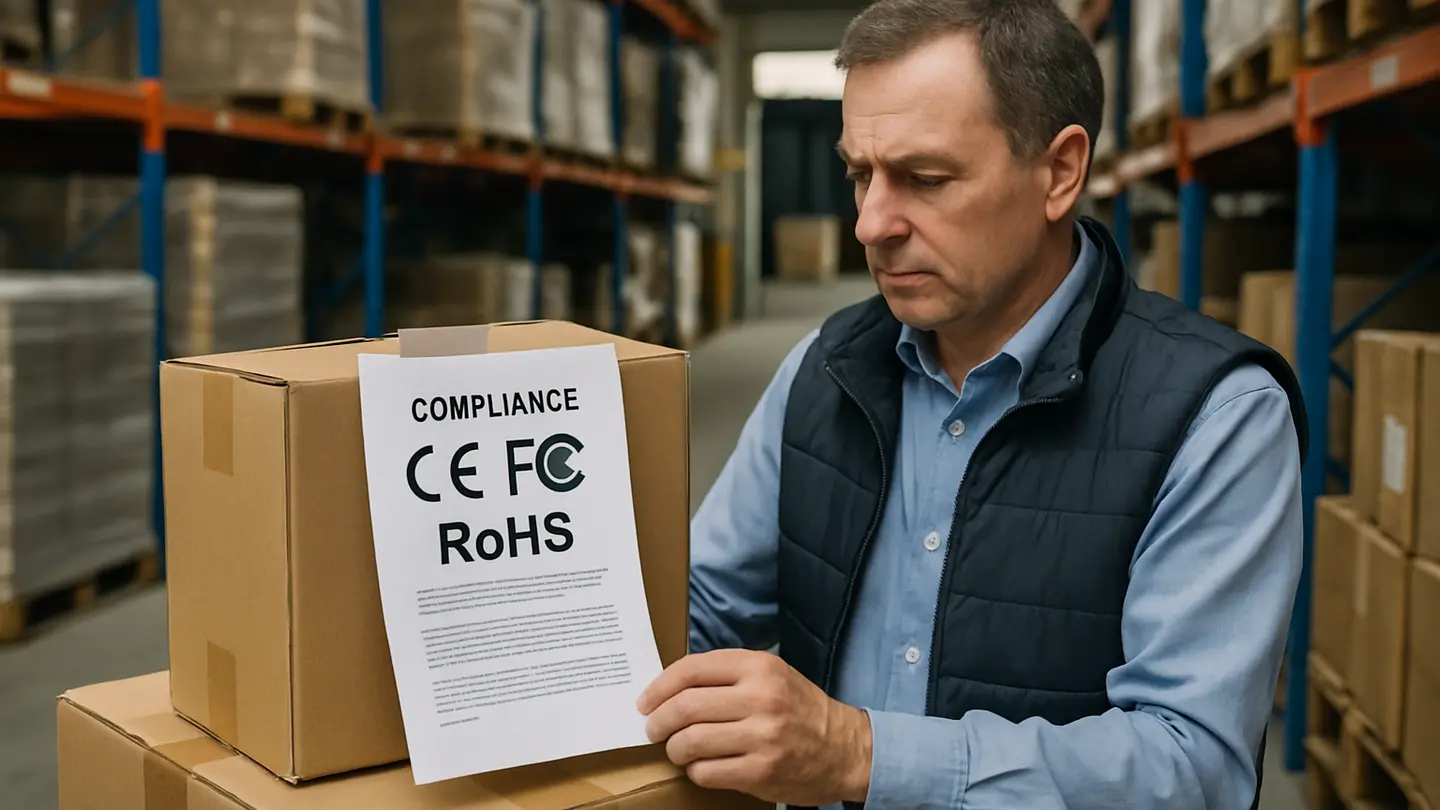
Before a shower manufacturer purchases materials or schedules production, freeze the commercial and technical requirements. Confirm drawings, dimensions, tolerances, bill of materials, surface finish, color standard, flow-rate requirements, spray functions, packaging artwork, labeling, manuals, and destination-market compliance requirements.
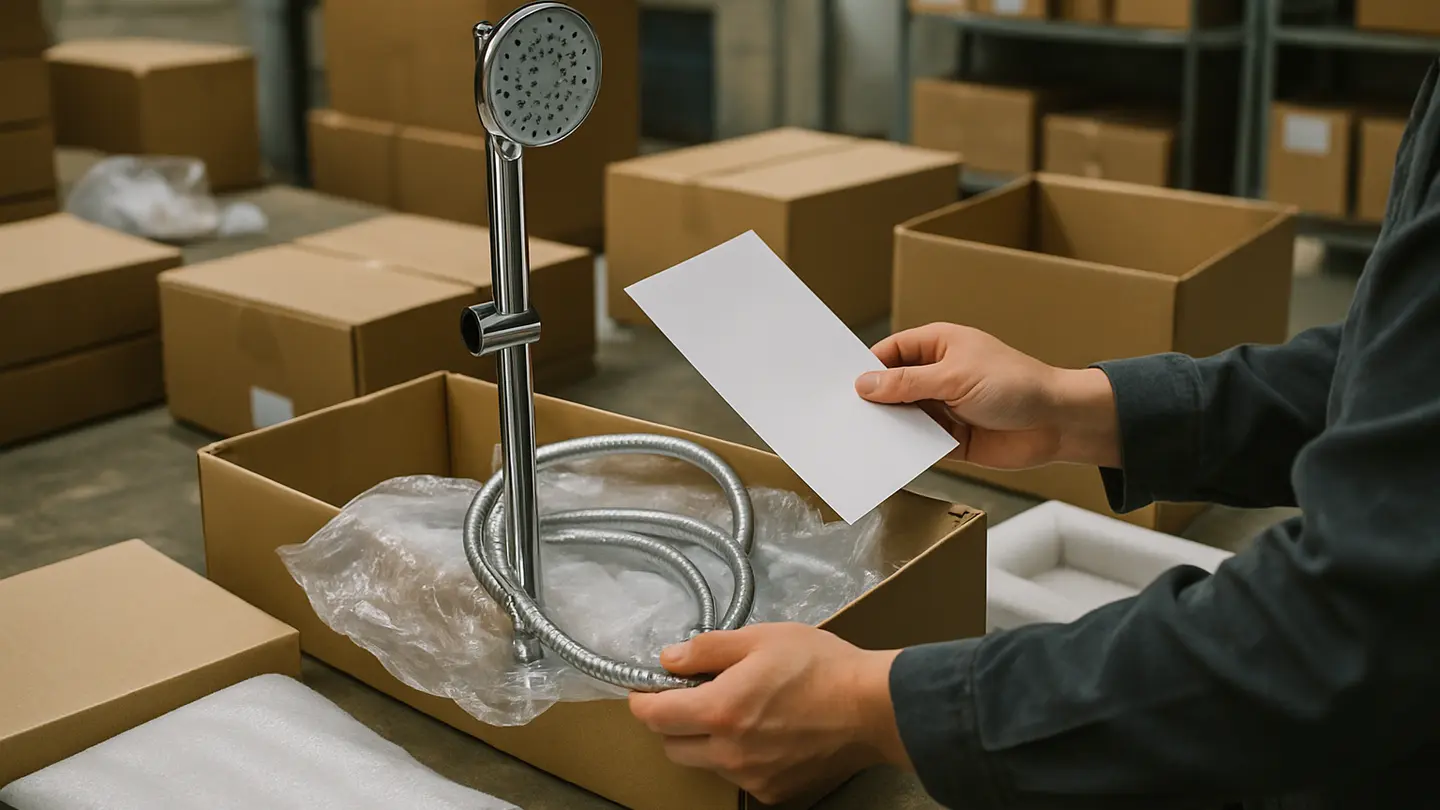
A physical golden sample is essential because drawings and photos do not fully capture plating tone, surface feel, spray pattern, hose flexibility, carton presentation, or accessory layout. The approved golden sample should represent the final finish, fit, water function, accessories, and packaging.
Supplier verification should happen before production begins. Confirm the shower manufacturer’s business license, product categories, capacity, main processes, testing equipment, export experience, and ability to manage sub-suppliers. Many shower products depend on outside partners for plating, PVD finishing, cartridges, hoses, seals, packaging, or specialized machining.
Internally, define who approves engineering changes, inspection decisions, shipment release, quality disputes, and escalation. Build a realistic timeline for negotiation, tooling, sample revision, component procurement, pilot build, mass production, inspection, and export preparation. For custom finishes, concealed systems, thermostatic valves, or multi-SKU programs, schedule buffers are not optional.
A Production Control Framework for Shower Manufacturing in China
China shower manufacturing projects work best when buyers manage them as control gates, not loose supplier updates. A message saying “production has started” does not prove that materials are correct, tooling is stable, plating is approved, testing is repeatable, or packaging is ready.
A complete production control framework should cover the full cycle:
- Freeze specifications and approve the golden sample.
- Approve tooling, fixtures, and pilot production.
- Inspect incoming materials and components.
- Control assembly and testing during production.
- Verify final product quality and packaging.
- Run pre-shipment inspection before release.
- Review shipment results and improve the next order.
This structure helps prevent leaking valves, inconsistent finishes, wrong thread standards, missing accessories, faulty cartridges, weak cartons, incorrect labels, and delayed component intake. The goal is to find problems early enough to fix them before finished goods are packed and the shipping date is at risk.
Step 1: Freeze Shower Specifications and Approve the Golden Sample
The first control step is to convert the product concept into a controlled specification package. For shower products, include drawings, dimensions, tolerances, material grades, wall thickness where relevant, thread standards, water-pressure requirements, flow performance, spray modes, finish specifications, and accessory lists.
The bill of materials should be detailed enough to prevent substitution. It may include brass bodies, stainless steel tubes, ABS shower heads, zinc alloy handles, ceramic or thermostatic cartridges, aerators, diverters, hoses, gaskets, O-rings, wall brackets, fasteners, installation kits, manuals, inner boxes, master cartons, and labels. Each BOM version should have a revision date and approval status.
Sampling should not stop at the first attractive prototype. Use engineering samples to check function and fit, collect design-for-manufacturing feedback, revise weak points, and approve a final golden sample only when the product reflects the real production method. A polished handmade sample may not represent mass production.
Category-specific checks matter. Shower heads require spray pattern, flow, leakage, and finish review. Thermostatic valves require temperature control, cartridge function, and safety-related checks. Concealed shower systems require accurate dimensions and installation compatibility. Sliding bars need strength, surface finish, and bracket fit.
Both buyer and supplier should keep dated golden samples. These samples become the benchmark if the bulk goods show color drift, fit differences, hose substitution, weak packaging, or changed accessories.
Step 2: Approve Tooling, Fixtures, and the Pilot Shower Build
If the product requires new molds, die-casting tools, machining fixtures, extrusion tooling, stamping tools, or custom packaging tooling, approve the design-for-manufacturing review before tooling begins. Changes are cheaper before a tool is cut than after production parts fail.
First-tool samples, often called T1 samples, should be checked for parting lines, gate marks, sink marks, warpage, sharp edges, dimensional variation, surface defects, thread accuracy, and assembly compatibility. For plated or PVD parts, appearance must be checked after finishing, not only on raw parts.
A pilot build bridges sample approval and mass production. During the pilot run, the shower manufacturer should prove that workers can assemble the product consistently, use the correct torque settings, perform leak tests repeatedly, package the goods correctly, and maintain reasonable cycle time.
Pilot output should be compared with the golden sample, approved drawings, pressure or flow requirements, and cosmetic standards. Leaking joints, unstable cartridges, poor thread engagement, packaging damage, or high rework rates are warnings about the full production run.
Tooling ownership should be clear in the commercial agreement. Define who owns the mold, who pays for maintenance, who approves engineering changes, where the tool is stored, whether it can be transferred, and whether backup tooling is needed for important long-term SKUs.
Step 3: Inspect Incoming Materials and Shower Components
Many shower product problems begin before assembly. If the brass alloy, stainless steel tube, ABS resin, hose, cartridge, gasket, plating input, or carton board is not verified, the finished product may fail even if assembly follows instructions.
Incoming quality control should compare received materials against purchase orders, approved BOMs, vendor lists, lot markings, material certificates, and finish requirements. For critical components, the factory should not rely only on supplier promises.
Physical checks can identify incorrect alloy, poor casting quality, off-color finishes, thin or inconsistent plating, brittle plastic parts, weak gaskets, stiff hoses, incorrect labels, missing accessories, or cartons that do not match the approved packaging specification.
Traceability is important. Approved lot numbers should be recorded so later leakage, cracking, corrosion, finish complaints, or packaging failures can be traced to specific material lots and sub-suppliers.
The shower manufacturer should issue a signed IQC release before mass production. If materials are incomplete or unapproved, the buyer should know before the line is scheduled, not after the shipment date slips.
Step 4: Control the Shower Assembly and Testing Loop
A good first hour of production does not prove that the order will be stable. Shower assembly can drift when workers change shifts, tools loosen, components vary, plating batches differ, or testing discipline weakens.
Line setup approval should verify first-off units, the latest BOM revision, work instructions, assembly fixtures, torque tools, test equipment, and approved inspection samples. Operators should know which defects are critical, major, and minor.
During production, use patrol checks and in-process measurements. For shower products, controls may include leakage testing, flow testing, pressure checks, thread gauges, torque checks, cartridge function testing, diverter operation, hose pull or flexibility checks, plating thickness verification where applicable, and cosmetic grading under agreed lighting conditions.
Defects should be categorized clearly. A leaking valve, unusable thread, wrong material, missing key component, or unsafe sharp edge should not be treated the same as a small cosmetic mark in a non-visible area. Clear categories help the factory decide when to stop the line, sort goods, rework parts, or request buyer approval.
Daily yield reports should show defect quantities, root causes, owners, corrective actions, target completion dates, rework quantity, and schedule impact. This turns production control from informal messaging into measurable management.
Step 5: Verify Final Shower Quality, Packaging, and Shipment Readiness
Final inspection should confirm that finished shower goods match the golden sample and approved order. Checks should cover water function, leakage resistance, finish consistency, cosmetic appearance, accessory completeness, installation kits, manuals, labels, packaging, and carton marks.
Late-stage failures are common. A product may function but still fail because the barcode is wrong, the instruction manual belongs to another model, the wall bracket is missing, the hose length is incorrect, or the carton artwork does not match the customer’s SKU.
Packaging deserves serious attention. Inspect carton rigidity, print quality, foam or paper insert protection, accessory placement, rattling inside the box, barcode scanability, and master-carton construction. Heavy shower sets, concealed mixers, and boxed hardware kits can damage weak cartons during handling and ocean freight.
For e-commerce or marketplace shipments, confirm SKU labels, platform labels where applicable, carton marks, and routing requirements before goods leave the factory. Relabeling after arrival can be expensive and disruptive.
Palletization and carton configuration should match the customer’s routing guide, container loading plan, and freight requirements. A well-made shower product can still create losses if it arrives crushed, mislabeled, or rejected by the warehouse.
Step 6: Run the Shower Product Pre-Shipment Inspection SOP
Pre-shipment inspection is the final control point before goods leave the factory or consolidation warehouse. It should not be reduced to a quick visual check after the truck arrives.
Start with the staging area. Check for moisture, carton deformation, weak tape, unstable pallets, mixed-SKU risk, and insufficient protection. Shower products often include metal parts, plated surfaces, hoses, and small accessories, so storage and packing conditions matter.
The inspection checklist should cover purchase order number, SKU, quantity, carton count, sampling plan, appearance, dimensions where needed, water function, leakage, threads, labels, manuals, accessories, inner packaging, master cartons, and shipping marks.
The logistics handoff should include booking confirmation, export documents, Incoterm alignment, customer routing instructions, and any special loading requirements. If goods are consolidated with other suppliers, mixed shipment risks should be controlled before release.
Final release should require inspection records, photos or videos, disposition notes for nonconformities, buyer decisions on rework or acceptance, and a signed release certificate. Once goods leave the factory, the buyer’s leverage and options become more limited.
Step 7: Review Shipment Results and Improve the Next Shower Order
Post-shipment review turns a one-time order into a repeatable sourcing process. After goods ship and customer feedback begins, compare planned performance against actual results.
Review lead time, production delays, defect rates, yield loss, rework cost, inspection findings, expedite fees, packaging damage, warehouse issues, customer complaints, and returns. The purpose is to improve the next order before the same problems repeat.
Update SOPs, golden samples, packaging specifications, vendor controls, testing requirements, and sourcing plans after each shipment. If a hose supplier caused leakage claims, strengthen incoming inspection or approve an alternate supplier. If cartons collapsed, revise the packaging specification. If finish drift occurred, improve plating approval and batch control.
Risk planning should include buffer stock, backup tooling, alternate components, secondary plating or finishing partners, and backup shower manufacturers for critical programs. This is especially important for multi-SKU shower ranges where one delayed component can hold an entire shipment.
Quarterly factory reviews should assign owners, deadlines, KPIs, and measurable improvement actions. A supplier relationship becomes stronger when both sides know how performance is measured.
How to Diagnose Common Shower Manufacturing Problems
Even after sample approval, shower production can fail if handoffs are not controlled. The most common problems usually appear between sampling, material intake, assembly, testing, packing, and shipment release.
When troubleshooting, avoid vague explanations such as “factory quality issue.” Identify where the process drifted. Was the BOM changed? Did a sub-supplier switch materials? Was the golden sample unclear? Did incoming QC release unverified parts? Did final inspection ignore packaging? Precise diagnosis leads to useful corrective action.
Bulk Shower Products Do Not Match the Approved Sample
If bulk products do not match the approved sample, suspect substitution or uncontrolled process change. The factory may have changed brass, stainless steel, resin, cartridges, hoses, gaskets, finishing processes, or packaging materials without approval.
The prevention method is straightforward: freeze the golden sample, lock BOM revisions in the contract, and require traceability for incoming lots. If color shifts, finish defects, leakage, thread problems, or fit issues appear, stop production until the cause is identified.
Depending on severity, options include sorting, rework, replacement production, commercial compensation, or moving future orders to a backup supplier. Do not allow ongoing production to continue while the factory promises to “improve later” without evidence.
The Shower Manufacturer Says Production Started, but Lead Time Slips
A supplier may say production has started when only internal work orders have been issued. That does not mean all materials are ready, the plating queue is confirmed, packaging has arrived, or the line is running.
Verify raw-material readiness directly. Ask for material intake records, key component status, tooling condition, plating schedule, packaging availability, and real line-loading information. Hidden delays often come from cartridges, hoses, cartons, plating, or tooling adjustments.
The best protection is to track readiness before the planned production start date. Once the line is already late, options become more expensive.
Shower Goods Pass Factory QC but Fail at the Warehouse or Fulfillment Center
Factory QC may focus on product appearance and basic function while missing warehouse-facing requirements. Goods can pass factory checks but fail later because labels, barcodes, carton strength, pallet configuration, or routing instructions were not controlled.
Weak master cartons can collapse under freight compression, especially for heavy shower sets, mixers, and boxed hardware kits. Incorrect labels can force relabeling or shipment holds. Missing accessories can create returns even if the main product works.
Packaging validation should include carton strength review, drop-risk assessment, barcode scans, accessory counts, and shipment-release controls. If damaged or mislabeled goods are found before export, they may need to be held, split, relabeled, or repacked.
FAQ
1. How long does the China manufacturing process usually take?
Standard shower product production often takes one to two months after specifications, samples, materials, and production slots are confirmed. Custom molds, die-casting tools, special finishes, fixtures, or private-label packaging can add significant time before mass production begins.
Lead time often slips because of raw material intake, plating queues, cartridges, hoses, packaging components, or factory congestion. During peak seasons, buyers should add buffers for shortages, inspection delays, and shipping disruption.
2. How do I protect my product molds and IP from factory theft?
Use localized contracts before sharing CAD files, proprietary shower designs, custom valve structures, or branded packaging. NNN agreements can help address non-disclosure, non-use, and non-circumvention risks in China sourcing relationships.
Contracts should define IP ownership, design ownership, mold ownership, transfer rights, and restrictions on unauthorized production. Mold ownership and access rights should be documented before tooling is produced or paid for.
3. What defect rate should I accept during mass production?
Defect tolerance should be defined through a written inspection standard, often using AQL-based acceptance criteria. Critical defects such as leakage, unsafe parts, wrong materials, missing key components, or unusable threads should have stricter treatment than minor cosmetic issues.
Do not accept vague supplier-proposed failure rates without written defect definitions and acceptance limits. If defects spike during production, the line should stop for root-cause analysis, corrective action, and approval before production continues.
Conclusion: Build a Repeatable Shower Production Control System
Working with a shower manufacturer requires more than selecting a supplier and approving a sample. A structured seven-stage process makes production measurable: freeze specifications, approve tooling and pilot output, inspect incoming components, control assembly, verify final quality, run pre-shipment inspection, and review results after delivery.
Buyers should audit their current SOP against each checkpoint. The first uncontrolled handoff often appears between prototype approval and material intake, where substitutions and delays begin. For complex multi-SKU shower programs, stronger local oversight may be necessary, especially when plating shops, cartridge suppliers, hose suppliers, and packaging vendors are all involved.
Test the production control system before peak-season demand exposes defects, delays, or packaging failures. A controlled process will not eliminate every problem, but it gives buyers earlier visibility, better decisions, and stronger leverage when issues occur.