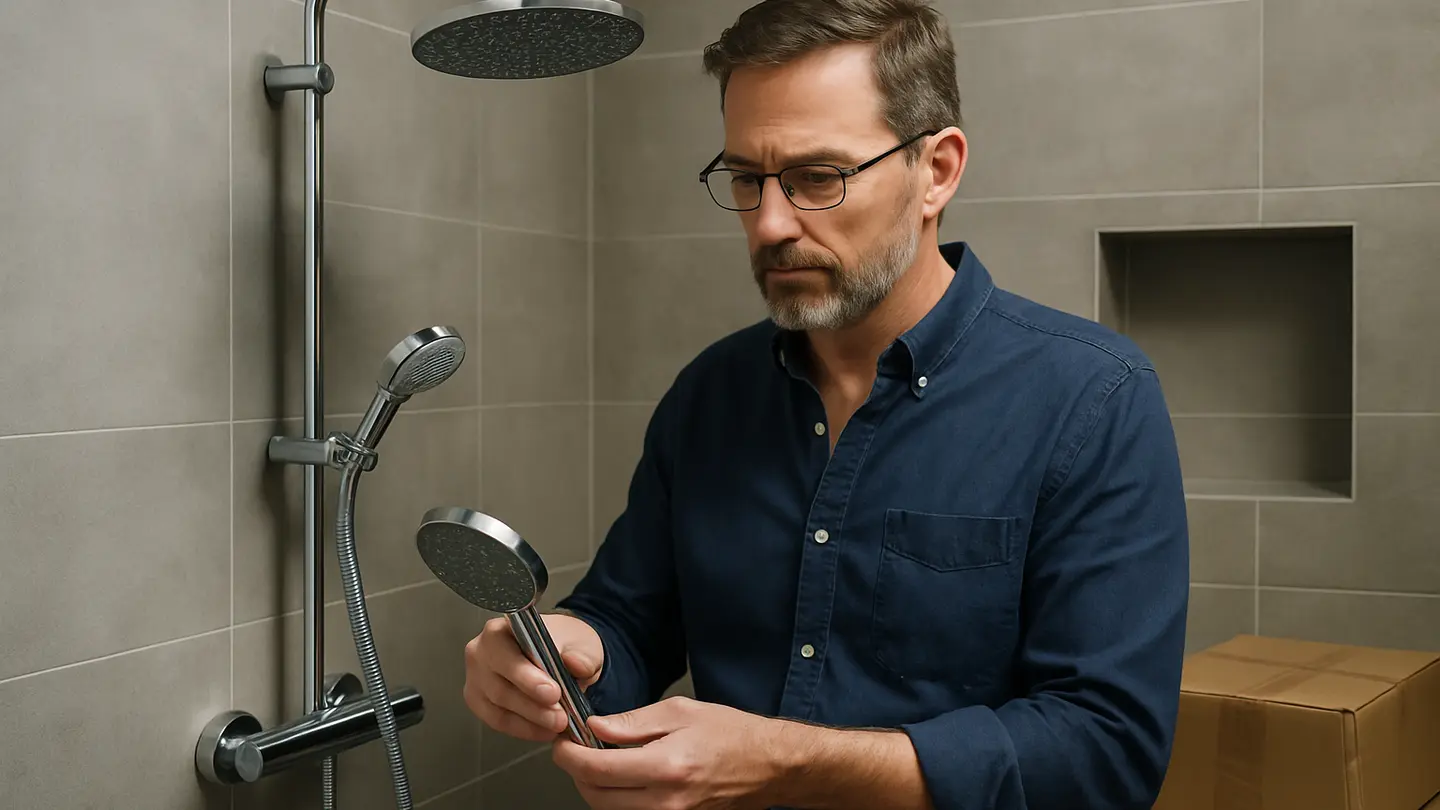
Choosing the right country for a shower manufacturer is not just a labor-cost decision. Shower products often combine glass, metal fittings, molded plastics, valves, coatings, packaging, and sometimes electronics. A cheap quote can become expensive if tooling is slow, defect rates are high, certifications are missed, or logistics delays create stockouts.
Buyers should compare countries by total landed cost, supplier capability, MOQ flexibility, quality systems, customs exposure, and replenishment reliability. A practical China-plus-one strategy can reduce concentration risk while keeping complex shower development close to strong supplier ecosystems.
10 Countries Worth Comparing for Shower Product Sourcing
The best country depends on the product type. A shower manufacturer making frameless enclosures has different needs from one producing shower heads, thermostatic valves, smart controls, acrylic trays, or accessories.
Professional buyers should compare countries based on:
- Component availability and tooling depth
- Experience with bathroom hardware and water-contact products
- Quality-control discipline and inspection access
- Lead time, freight cost, and customs exposure
- MOQ flexibility for pilot runs and private-label programs
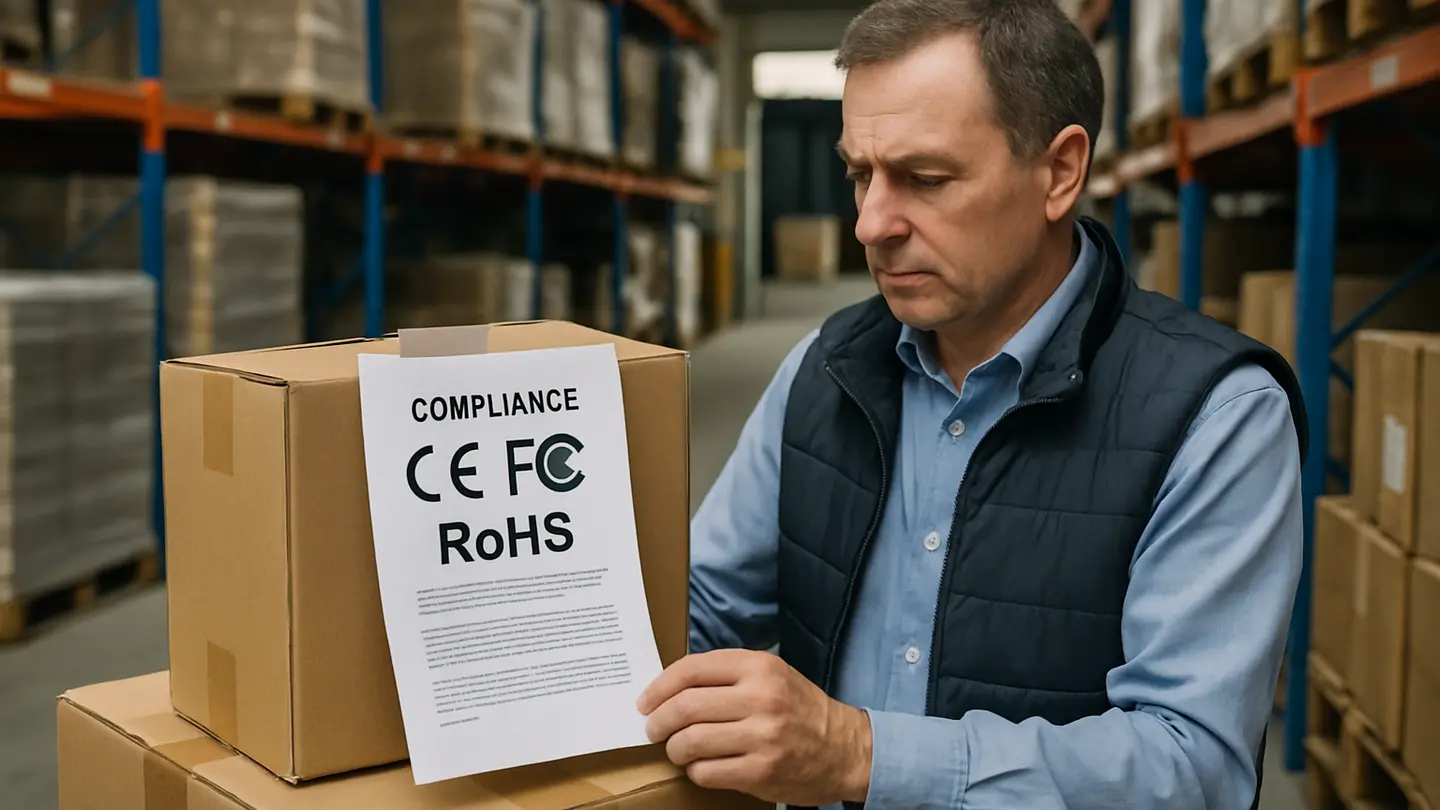
- Certification and documentation support
- Packaging, labeling, and SKU variation capability
The goal is not the cheapest factory quote. The goal is to protect margin after freight, tariffs, quality losses, rework, inventory exposure, and replenishment delays.
1. China: Strongest for Scale, Supplier Clusters, and Complex Shower BOMs
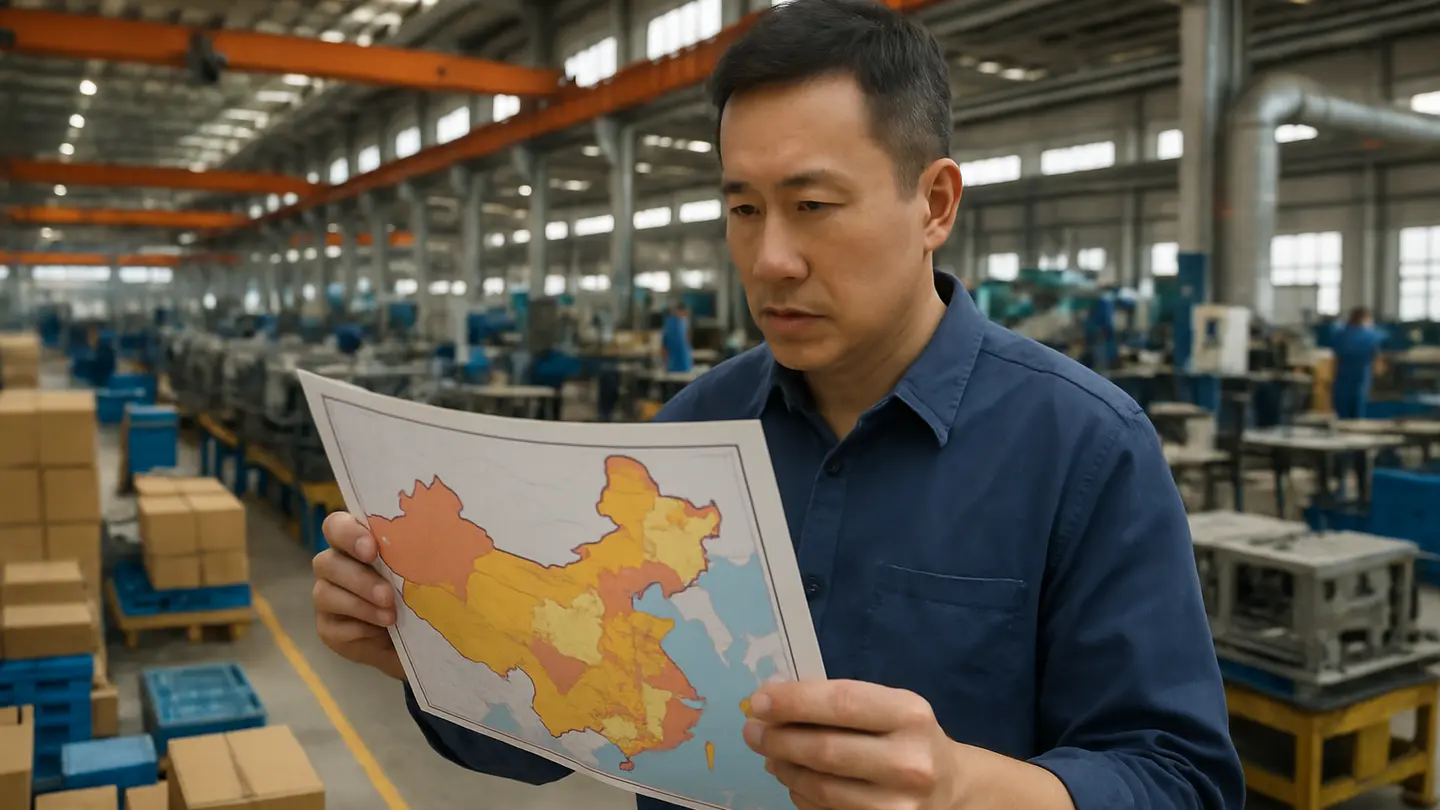
China remains one of the strongest sourcing countries for complex shower products, including enclosures, panels, heads, valves, trays, smart systems, and full bathroom hardware ranges. Its advantage is not only cost but supplier depth.
A shower BOM may include tempered glass, aluminum profiles, stainless fittings, brass or zinc-alloy parts, plastic injection components, rubber seals, cartridges, hoses, packaging, and instructions. Smart products may also require LED displays, sensors, digital controls, or app-enabled electronics.
China’s manufacturing clusters can shorten development because tooling, sampling, component sourcing, packaging, finishing, and assembly are often available within a coordinated network. This is useful for repeated sampling, quick design changes, or private-label packaging.
Chinese factories may also be more flexible on pilot MOQs than newer hubs, especially for buyers testing a line before scaling. However, tariff exposure, geopolitical uncertainty, and overdependence on one country make diversification important.
For most buyers, the answer is not an immediate exit from China. It is stronger supplier vetting, audits, in-process inspections, pre-shipment QC, and backup plans for selected SKUs or components.
2. Vietnam: Practical China-Plus-One Option for Planned Bathroom Product Runs
Vietnam is a practical China-plus-one option for buyers with planned production runs and stable specifications. It is often considered for labor-intensive assembly, home products, textiles, bags, and selected hardgoods. For bathroom sourcing, it may fit accessories, assembled products, packaging-intensive lines, and some home-related categories.
The main advantage is diversification. Buyers can reduce dependence on a single country while keeping access to Asian manufacturing and export infrastructure. Vietnam works best when product design is mature and demand forecasts are reasonably stable.
However, it is not always a simple replacement for China. Some production still depends on Chinese raw materials, tooling, molds, components, or specialty inputs. MOQs can be higher, and planning cycles may be longer when suppliers must import parts before production.
Before moving shower production to Vietnam, review certification requirements, water-contact material standards, packaging rules, and cross-border component flows. Build inventory buffers before shifting an active SKU, because transfers can expose buyers to delays.
3. India: Useful for Home Goods, Metal Components, and Diversified Sourcing
India can support diversified sourcing for home goods, metal components, fabricated products, textiles, and certain engineered categories. For bathroom supply chains, buyers may evaluate India for metal fittings, accessories, home décor, and selected components that benefit from local raw-material availability.
One advantage is reduced dependence on Chinese inputs in some categories. Where local metalworking, fabrication, or textile capacity is strong, buyers can build a more independent sourcing base.
The challenge is consistency. Supplier quality, documentation discipline, export experience, and communication standards can vary by region and factory. India should not be treated as one uniform sourcing market. The right factory can become a strong partner, but onboarding may require more time.
For shower-related products, specifications should be clear and measurable. Material grades, plating requirements, corrosion resistance, packaging tests, labeling, and inspection criteria should be documented before production. Legal onboarding, export documentation, and compliance paperwork can also add lead time.
4. Mexico: Best Nearshoring Choice for US-Bound Shower Replenishment
Mexico is one of the most attractive countries for US-bound replenishment because transit times are much shorter than from Asia. For shower products sold through US retail, e-commerce, wholesale, or project channels, nearshoring can reduce stockout risk and improve responsiveness.
The main benefit is speed. Shorter transit can lower pipeline inventory, reduce forecasting pressure, and make replenishment more flexible. Similar time zones also simplify supplier communication, engineering changes, quality calls, and packaging approvals.
Mexico’s ex-factory prices may be higher than Asian production, so buyers should compare total landed cost, not only unit price. Lower freight exposure, faster replenishment, lower inventory carrying costs, fewer emergency shipments, and quicker demand response can offset higher factory pricing.
Mexico can also help with packaging, labeling, and SKU changes for omnichannel fulfillment, including different labels, inserts, pallet configurations, or packaging formats for multiple retail channels.
5. Malaysia: Strong for Electronics Assembly and Smart-Shower BOM Splits
Malaysia is a strong option for electronics assembly, semiconductor-related manufacturing, and process-stable production. For shower sourcing, this matters most for smart showers, digital controls, sensors, touch panels, control boards, LED interfaces, and other electronics-enabled products.
Buyers do not always need to move the entire product away from China. A partial BOM split may be more practical. Plastic housings, molds, mechanical components, or complex tooling may remain in China while final PCBA assembly or electronics-related work shifts to Malaysia.
This can diversify tariff exposure and reduce dependence on one production country without disrupting every component supplier. However, BOM splitting requires coordination. Components must arrive on time, testing procedures must match, and certification requirements must align across factories.
For electronics-enabled showers, review electrical safety, waterproofing, firmware control, labeling, and market-entry requirements early. Technical sourcing requires direct evaluation of manufacturers, engineering capability, traceability, and quality systems.
6. Turkey: Fast-Turn Option for EU and UK Bathroom and Home Programs
Turkey is useful for EU and UK buyers that need faster delivery than Asian production typically provides. It is well known for textiles and apparel, which can support broader home and bathroom-adjacent programs where speed matters.
For bathroom sourcing, Turkey may fit soft goods, home textiles, private-label home programs, and selected accessories. Factory prices may be higher than some Asian alternatives, but shorter transit can reduce pipeline inventory and help buyers react faster to seasonal demand or retailer requirements.
Turkey can be especially useful for fast-turn private-label programs where packaging, design, color, or assortment decisions happen closer to the selling season. For European distribution centers, shorter logistics routes may also simplify replenishment planning.
Buyers should still vet certifications, confirm export documentation, and reserve production capacity early. Proximity does not replace audits, inspections, and clear specifications.
7. Bangladesh: Cost-Focused Choice for High-Volume Soft Goods, Not Complex Showers
Bangladesh is strongest in high-volume apparel basics and cost-focused textile production. It is generally not the first choice for complex shower systems, precision valves, tempered-glass enclosures, smart showers, or multi-component bathroom hardware.
It may still fit bathroom-adjacent soft goods where low unit cost matters more than frequent design changes, depending on buyer requirements and supplier capability.
The main limitation is flexibility. Large production lines can be less responsive when buyers change specifications mid-run. If materials, trims, or specialty inputs must be imported, execution cycles can lengthen.
Buyers should pay close attention to compliance, certification, social-audit requirements, and chemical safety. For textile programs, prohibited dyes or non-compliant inputs can cause failed lab tests and shipment delays. Early production checks, in-process QA, and pre-shipment inspections are important controls.
8. Thailand: Reliable for Structured Hardgoods and Mid-Complexity Bathroom Products
Thailand can fit structured hardgoods, custom packaging, and mid-complexity manufacturing. Its value is often process stability and specification control rather than the lowest labor cost.
For shower and bathroom sourcing, Thailand may be worth evaluating for accessories, structured bathroom products, packaged hardgoods, and higher-spec components where consistency matters. If a supplier maintains tolerances, finishes, assembly quality, and packaging standards with fewer defects, a higher unit price may still improve landed cost.
Thailand may also suit buyers who want stable production for products that do not require China’s full tooling depth but still need reliable manufacturing discipline.
For high-tolerance programs, engage suppliers early. Capacity, tooling slots, technical review, and packaging development should be confirmed before purchase orders.
9. Indonesia: Category-Specific Fit for Furniture, Natural Materials, and Selected Bathroom Lines
Indonesia should be evaluated by category. It is not a universal replacement for China, but it can be attractive for furniture, natural-material products, décor, footwear, and labor-intensive assembly.
For bathroom programs, Indonesia may fit vanities, natural-material accessories, wood or rattan décor, storage products, and certain assembled home goods. Local access to natural materials can be an advantage when the product design matches the country’s strengths.
The main challenge is logistics. Indonesia’s geography can create variable lead times and hidden domestic transport costs. Inland freight, inter-island movement, port handling, and export coordination should be included in landed-cost modeling.
Buyers should not compare only factory quotes. A supplier far from the right port may have a very different landed-cost profile from one with easier export access.
10. South Korea: Best for High-Spec Electronics and Precision Shower Components
South Korea is best suited to high-spec electronics, precision components, and advanced manufacturing. It is not usually chosen for the lowest unit cost, but it can be valuable where engineering capability and quality standards reduce field-defect risk.
For shower sourcing, South Korea may fit smart controls, sensors, precision assemblies, electronics modules, advanced materials, or components where reliability matters more than basic cost reduction.
South Korea can also complement China in a BOM-splitting strategy. Standard tooling, mechanical parts, or lower-complexity assemblies may remain in China while critical electronics or precision components come from Korea.
This approach is most useful when product failure would be expensive, difficult to repair, or damaging to brand reputation. For smart showers, electronics reliability, waterproofing, and control systems can matter more than a small unit-price difference.
How to Run a Multi-Country Shower Sourcing Strategy
A multi-country strategy requires more than choosing countries from a list. Buyers need a structured process for comparing suppliers, transferring production, splitting BOMs, managing certifications, and controlling logistics.
For shower products, this is important because bathroom items often combine glass, valves, coatings, electronics, textiles, and packaging. Each has different sourcing constraints. Buyers should compare the full supply chain, not only the assembly factory.
Step 1: Compare Your Real Supply Chain Data Before Moving Production
Before shifting shower production, review current data: true landed cost, defect rates, delivery reliability, tooling lead time, supplier responsiveness, inspection results, and customs exposure.
A lower ex-factory price may not create savings if the new country has slower tooling, weaker component access, longer domestic logistics, or higher defect rates. For complex shower products, China may still outperform emerging hubs because of faster sampling, stronger tooling infrastructure, and better component coordination.
Use data from actual shipments where possible. For new countries, request realistic production schedules, packaging dimensions, freight estimates, inspection access, and documentation samples before deciding.
Step 2: Split Smart-Shower Electronics and Component BOMs in Phases
Electronics-enabled shower products should usually be moved in phases. Moving the full BOM at once can create avoidable risk, especially if molds, housings, mechanical parts, electronics, firmware, and final assembly are all changing together.
A controlled approach is to keep heavy tooling or complex molded parts with the strongest existing supplier while testing electronics assembly or PCBA work in another qualified hub. Malaysia or South Korea may be relevant depending on technical requirements.
Track cost changes, lead-time impact, defect rates, testing results, and certification risks during each phase. If the split creates coordination problems that outweigh savings, adjust before full-scale production.
Step 3: Control Transfer Risks for Soft Goods and Bathroom Textile Programs
Bathroom textile programs and soft goods also carry transfer risks. Moving production may introduce differences in materials, trims, dyes, finishing processes, packaging methods, and compliance expectations.
Factories outside China may need to import synthetic fabrics, trims, specialty materials, or components before production begins. This can extend lead times and create hidden dependencies.
Chemical compliance is another risk. Prohibited dyes, finishes, or inputs can cause lab-test failures, shipment delays, and loss of buyer confidence. On-site testing agents, in-process inspections, and early material approval can reduce these risks before full production.
Step 4: Lock Your Multi-Country Supplier Checklist Before Issuing POs
Before issuing purchase orders, finalize a consistent supplier checklist across all countries. Include factory audits, sample approval, technical specifications, compliance documents, QC plans, packaging requirements, production milestones, and logistics responsibilities.
For complex shower products, keep high-risk tooling and technical components with proven suppliers. Do not move a critical valve, hinge, seal, or electronic control only because another country offers a lower initial quote.
Use independent quality-control teams in each production location where practical. Centralize logistics tracking so component delays, inspection failures, and shipping changes are visible before they affect customers.
FAQ
1. Is China still the best overall sourcing country?
For complex shower products, China remains highly competitive because of its supplier clusters, tooling depth, component availability, and experience with multi-part assemblies. A full exit can increase lead-time and quality risk if the alternative country lacks the same raw-material access or manufacturing ecosystem.
Many buyers are better served by improving China sourcing controls while adding selected China-plus-one options.
2. Which country is the best alternative to China for apparel?
Vietnam is often a strong alternative for more technical apparel, structured soft goods, and planned production programs. Bangladesh is more suitable for high-volume basics where unit cost is the main priority.
However, MOQs may increase when moving away from China, and some factories may still depend on Chinese zippers, synthetic fabrics, trims, or specialty inputs. Confirm material sourcing before transferring production.
3. Which is best for electronics contract manufacturing?
Malaysia is a strong option for final PCBA and electronics contract manufacturing, especially when the process is stable and well documented. South Korea may be better for higher-spec electronics or precision components.
For smart shower products, technical evaluation is essential. Plastic housing molds or mechanical tooling may remain in China while electronics assembly shifts elsewhere. Marketplace comparisons such as Alibaba, Global Sources, and Made-in-China are useful for discovery, but not enough for final technical sourcing decisions.
4. How should I compare countries using landed cost instead of labor rates?
Do not choose a shower manufacturer based only on hourly labor rates or quoted unit price. Landed cost includes domestic transport, international freight, tariffs, customs costs, delivery terms, inspection costs, warehousing impact, and final delivery expenses.
Clarify Incoterms, importer-of-record responsibilities, customs obligations, packaging dimensions, shipment mode, and delivery timelines before selecting a supplier. A country with lower labor costs can become more expensive if delays, defects, or logistics complexity increase the real cost of each sale.