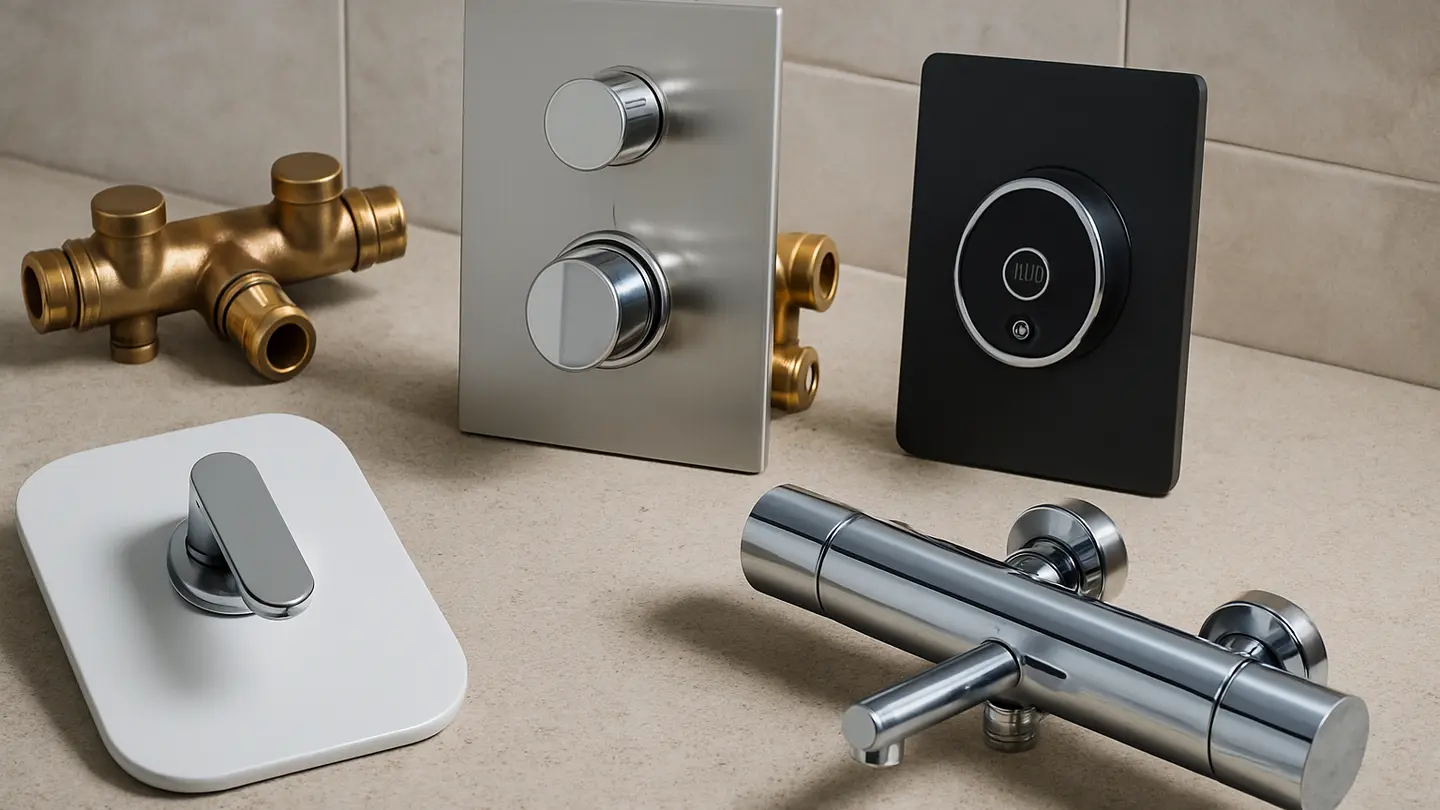
A Practical Guide to Shower Mixer Valve Types
Shower mixer valves are the control point behind a comfortable shower. They blend hot and cold water, then deliver the mixed water to a shower head, handheld shower, or multiple outlets. For B2B buyers, contractors, developers, distributors, and hospitality purchasers, choosing between the main types of shower mixer valves affects installation cost, user safety, maintenance, and long-term satisfaction.
Common categories include manual mixer valves, thermostatic mixer valves, digital mixer systems, concealed mixers, and exposed mixers. Each offers a different balance of price, control, safety, serviceability, and appearance. The right choice depends on bathroom style, water pressure, plumbing layout, water-heating system, expected usage, and required temperature control.
How Shower Mixer Technology Has Developed
Shower mixing has moved from basic plumbing control toward more accurate and user-friendly systems. Older installations often used separate hot and cold taps or simple valves, requiring users to adjust each side manually until the shower felt right. This could be inconvenient and inconsistent when water pressure changed elsewhere in the building.
Modern mixer valves provide better control over temperature and flow. In residential, hotel, apartment, and commercial applications, end users expect a predictable shower experience. Buyers also need products that fit current bathroom designs, suit local plumbing expectations, and reduce temperature fluctuation.
From Separate Controls to Digital Mixing Systems
Early shower controls used separate hot and cold handles. If another fixture opened in the same property, the balance of hot and cold water could change suddenly.
Single-lever mixers simplified operation by letting users adjust temperature and flow through one control. Moving the lever in one direction changes the hot-cold mix; moving it in another changes flow rate.
Thermostatic mixers improved safety and comfort by holding a selected temperature more consistently. If the cold supply drops or the hot supply changes, the thermostatic mechanism reacts to reduce unsafe swings.
Digital mixing systems use electronic controls, displays, presets, and sometimes remote or touch-based operation. Depending on the model, they may allow preset temperatures, timed functions, water-saving modes, and delivery to multiple outlets.
Shower Mixer Valve Basics
A shower mixer valve receives hot and cold water from the plumbing system, blends them to the desired temperature, and regulates water sent to the shower outlet.
For buyers, the valve is both a performance component and a user interface. A trim plate or handle matters visually, but internal valve design, cartridge quality, material, and plumbing compatibility are equally important.
Key Parts of a Shower Mixer Valve
Most shower mixer valves include several core parts:
- Valve body: The main housing connected to the hot and cold supply lines. It may be installed inside the wall for concealed mixers or mounted visibly for exposed mixers.
- Handles, knobs, or levers: User-facing controls for temperature, flow, or both.
- Cartridge: The internal operating component that regulates mixed water delivery. Cartridge quality affects smooth operation, leakage resistance, and service life.
- Diverter: A component that switches water between outlets, such as a fixed shower head, handheld shower, body jets, or bath spout.
When comparing products, buyers should confirm whether cartridges and seals are replaceable, whether spare parts are available, and whether the valve body matches the required pipe connections.
How a Shower Mixer Blends and Controls Water
A mixer valve draws water from both hot and cold supply lines. The temperature control changes the proportion entering the mixing chamber. More hot water raises the outlet temperature; more cold water lowers it.
The flow control regulates total water volume. In some valves, temperature and flow are controlled by the same handle. In others, one control sets temperature and another sets flow.
Some designs also help stabilize water temperature when other fixtures are used. This is important in multi-bathroom homes, hotels, gyms, care facilities, and apartment buildings where water demand can change quickly.
Main Types of Shower Mixer Valves
The main types of shower mixer valves differ in control method, installation style, safety features, and serviceability.
| Mixer type | Main advantage | Limitation | Common use case |
|---|---|---|---|
| Manual mixer | Simple and affordable | Less precise temperature stability | Standard residential bathrooms, budget projects |
| Thermostatic mixer | Stable temperature and anti-scald protection | Higher cost than basic manual valves | Family bathrooms, hotels, care-sensitive environments |
| Digital mixer | Precise electronic control and presets | Requires power and costs more | Premium homes, modern hotels, smart bathrooms |
| Concealed mixer | Clean, integrated appearance | More complex installation and repair access | New builds, renovations with wall access |
| Exposed mixer | Easier installation and maintenance | Plumbing and valve body remain visible | Retrofit projects, rental units, service-priority sites |
Manual mixer valves are the simplest option. They are cost-effective, easy to operate, and straightforward to maintain. The trade-off is that temperature control depends more on the user and supply stability.
Thermostatic mixer valves keep water temperature steadier. They are often preferred where safety and comfort matter, including families, hospitality properties, schools, healthcare-related settings, and senior living environments.
Digital mixers use electronic controls to manage temperature and flow. They can support presets and precise settings, but buyers must account for power supply, installation complexity, and after-sales support.
Concealed mixers hide the valve body and pipework behind the wall, leaving only the controls visible. This creates a clean look but requires careful installation planning and future access consideration.
Exposed mixers mount the valve body on the wall surface. They are easier to install, inspect, and repair, making them suitable for retrofits or service-priority projects.
Material and Design Factors to Review
Material choice affects durability, corrosion resistance, maintenance, and service life. Design and finish determine how the mixer fits the wider bathroom specification. For B2B buyers, a valve must perform reliably while matching the intended market segment and bathroom style.
A low-cost valve with a weak body or poor finish can create after-sales problems. An expensive finish may also be unnecessary if the project is price-sensitive or maintenance-heavy.
Choosing Suitable Valve Materials and Finishes
Brass is widely used for shower mixer valve bodies because it is durable, workable, and corrosion-resistant in typical plumbing applications. Buyers should check material specifications carefully, especially when sourcing in volume.
Chrome-plated brass is common for visible trims and exposed mixers. It is generally affordable, easy to clean, and familiar to most markets.
Brushed nickel has a softer appearance and can hide fingerprints and water marks better than highly polished finishes. It is often used in mid-range and premium projects.
Stainless steel may suit humid or high-use environments where rust resistance is important. Buyers should still verify grade, surface treatment, and compatibility with other components.
Matte black remains popular in modern bathroom design. It creates a strong visual statement, but finish quality matters because scratches, mineral deposits, or cleaning damage may be more visible on poor coatings.
Matching Mixer Style to Bathroom Design
Mixer style should support the overall bathroom concept. Minimalist bathrooms suit clean controls with slim trims and limited visual detail. Traditional bathrooms often work better with rounded shapes, cross handles, or vintage-inspired details.
Contemporary bathrooms may use angular mixer shapes, flat plates, and geometric handles. Bold finishes such as black, brushed gold, or gunmetal can work as accents when coordinated with shower heads, drains, towel bars, and basin taps.
For project buying, define a finish schedule early and keep visible hardware coordinated across the space. Too many different metal finishes can make a bathroom look inconsistent.
Useful Features and Newer Valve Innovations
Newer shower mixer features focus on comfort, efficiency, safety, and more precise control. These improvements can help manage temperature, pressure, and water use.
For commercial and multi-unit buyers, the most valuable features are usually those that reduce complaints, simplify operation, or support water-saving targets without making the shower feel weak.
Water-Saving and Eco-Efficiency Options
Water-saving features are increasingly important in residential and commercial bathroom specifications. Common options include:
- Flow regulators: Limit water volume while maintaining acceptable shower performance.
- Aerators: Mix air into the water stream, helping preserve perceived pressure while using less water.
- Two-stage cartridges: Provide a resistance point, encouraging lower flow unless higher flow is needed.
- Click stops: Act as tactile reminders that the valve is moving from economical flow to higher flow.
- Efficiency labels: Where available, help buyers compare water-saving performance across product lines.
The right feature depends on user expectations. A hotel may want strong perceived comfort, while a public or institutional project may prioritize controlled consumption and durability.
How to Choose the Right Shower Mixer
Choosing the right shower mixer means balancing comfort, performance, safety, installation conditions, and cost. A compact apartment, luxury hotel suite, family home, and gym changing room may all require different specifications.
A practical selection process starts with plumbing conditions, then moves to user needs, design requirements, maintenance expectations, and budget.
Checking Plumbing and Water Pressure Compatibility
Water pressure directly affects shower mixer performance. High-pressure systems generally support more mixer types, including multi-outlet systems and rainfall shower heads.
Low-pressure systems may require compatible low-pressure valves, careful outlet selection, or an additional pump. Installing a high-pressure valve on a low-pressure supply can cause weak flow and poor satisfaction.
Buyers should also check the water-heating system. Combi boilers, gravity-fed systems, unvented cylinders, and pumped systems can each affect valve choice. Boiler capacity is especially important for high-flow shower heads or multiple outlets because the heating system must keep up with demand.
Connection type also matters. Valves may need to suit copper, threaded, or flexible pipe systems. Confirming pipe size, connection type, and wall depth before ordering reduces installation delays.
Aligning the Mixer With the Desired Shower Experience
Manual mixers suit users who want basic temperature and flow adjustment without added complexity. They are practical for standard bathrooms and cost-sensitive projects.
Thermostatic mixers are better where users expect steadier temperatures or where safety is a concern. They are often a good default for family bathrooms, hotels, and higher-quality residential developments.
Digital mixers suit projects where precise temperature control, presets, and modern user interfaces are part of the value proposition. They may also work where controls need to be positioned away from the water outlet.
Hand shower holders add flexibility in family bathrooms, accessible bathrooms, and cleaning-intensive spaces. Spray patterns and flow choices also matter. A rainfall shower head creates broad coverage, while a concentrated spray can feel stronger even at moderate flow.
Pros and Cons of Common Mixer Types
Manual mixers are usually the most affordable and simplest to maintain. Their main drawback is less precise temperature control, especially where supply pressure fluctuates.
Thermostatic mixers improve consistency and safety. They cost more than basic manual valves, but the added comfort and anti-scald performance can justify the difference.
Digital mixers offer advanced control, including precise temperature settings and presets. Their disadvantages are higher purchase cost, installation complexity, and dependence on electrical power or electronic components.
Budget, safety needs, daily usage, maintenance access, and user expectations should guide the final choice. For volume purchasing, buyers should also compare warranty terms, spare-part availability, packaging durability, and supplier quality systems.
Another Way to Build a China Supplier Shortlist
For buyers sourcing shower mixer valves, trim kits, shower heads, or related bathroom hardware from China, Made-in-China.com can support early supplier discovery and comparison. Its Supplier Discovery tools provide ways to find and narrow potential suppliers, including channels for Audited Suppliers.
Audited Suppliers are subject to third-party verification and on-site audit, with Audit Reports available for buyer review. These reports can include general company information, export trade, manufacturing capacity, quality control, and R&D capability. For procurement teams, that helps organize early-stage screening before requesting samples, negotiating prices, or arranging deeper due diligence.
Made-in-China.com also offers Easy Sourcing, where buyers can submit one sourcing request, receive multiple quotations from matched suppliers, compare quotes, and request samples. Used with technical specifications and independent supplier checks, these tools can reduce manual outreach during shortlist building.
Basic Maintenance for Shower Mixer Valves
Regular maintenance helps protect shower mixer performance and appearance. Limescale, mineral deposits, worn seals, and harsh cleaning products can all shorten service life.
For visible finishes, mild cleaners are usually safer than abrasive pads, acidic chemicals, or strong solvents. Chrome, brushed nickel, matte black, and specialty finishes may each require different care instructions, so buyers should confirm cleaning guidance for property managers or end users.
Seals and O-rings should be inspected periodically, especially if there are signs of dripping, stiff operation, or moisture behind trim plates. A worn seal can often be replaced before it develops into a larger leak.
Shower head holes can be cleaned with a vinegar solution where suitable for the finish. Removing mineral buildup helps preserve spray quality and reduces pressure complaints.
Loose handles, pressure changes, temperature instability, and unusual noises can indicate that the valve or cartridge needs attention. For commercial properties, planned inspection is usually better than waiting for user complaints.
Accessories That Complete the Shower Setup
The mixer valve is only one part of the shower system. Accessories such as shower heads, hand showers, arms, holders, diverters, and controls determine how the finished installation feels and functions.
For B2B buyers, accessories should be specified with the same discipline as the valve. Thread compatibility, finish matching, flow rate, spray performance, serviceability, and packaging consistency all affect the final installation.
Fixed Shower Heads and Handheld Showers
Fixed shower heads range from basic single-spray models to multi-function designs. A simple fixed head can be cost-effective for standard bathrooms, while multi-function heads provide spray options for users who value customization.
Rainfall shower heads provide broad, gentle coverage and are popular in premium bathrooms. However, they may require higher flow and suitable water pressure to perform well.
Concentrated spray patterns can create a stronger-feeling shower without necessarily using the largest head. This is useful where users expect a more powerful rinse.
Handheld showers improve flexibility for washing, rinsing, bathing children, assisting users with limited mobility, and cleaning the shower area. Dual setups that combine a fixed head and handheld shower allow users to switch between comfort and practical cleaning functions.
Shower Arms, Diverters, and Control Placement
A shower arm connects the shower head to the water supply and determines its final position. Arm length and angle affect whether water falls comfortably into the showering area or too close to the wall.
Mixer valves remain the main point for temperature and flow control. Diverters route water between multiple outlets, such as an overhead shower and a handheld shower. In multi-outlet systems, the diverter should be intuitive and durable.
Control placement is also important. Handles should be reachable, clearly marked, and easy to operate with wet hands. In higher-end or accessibility-focused installations, controls may be placed near the entrance so users can start the shower without standing directly under cold water.
A well-specified shower setup combines the right valve type, compatible plumbing, reliable materials, coordinated finishes, and accessories that match how the bathroom will be used.