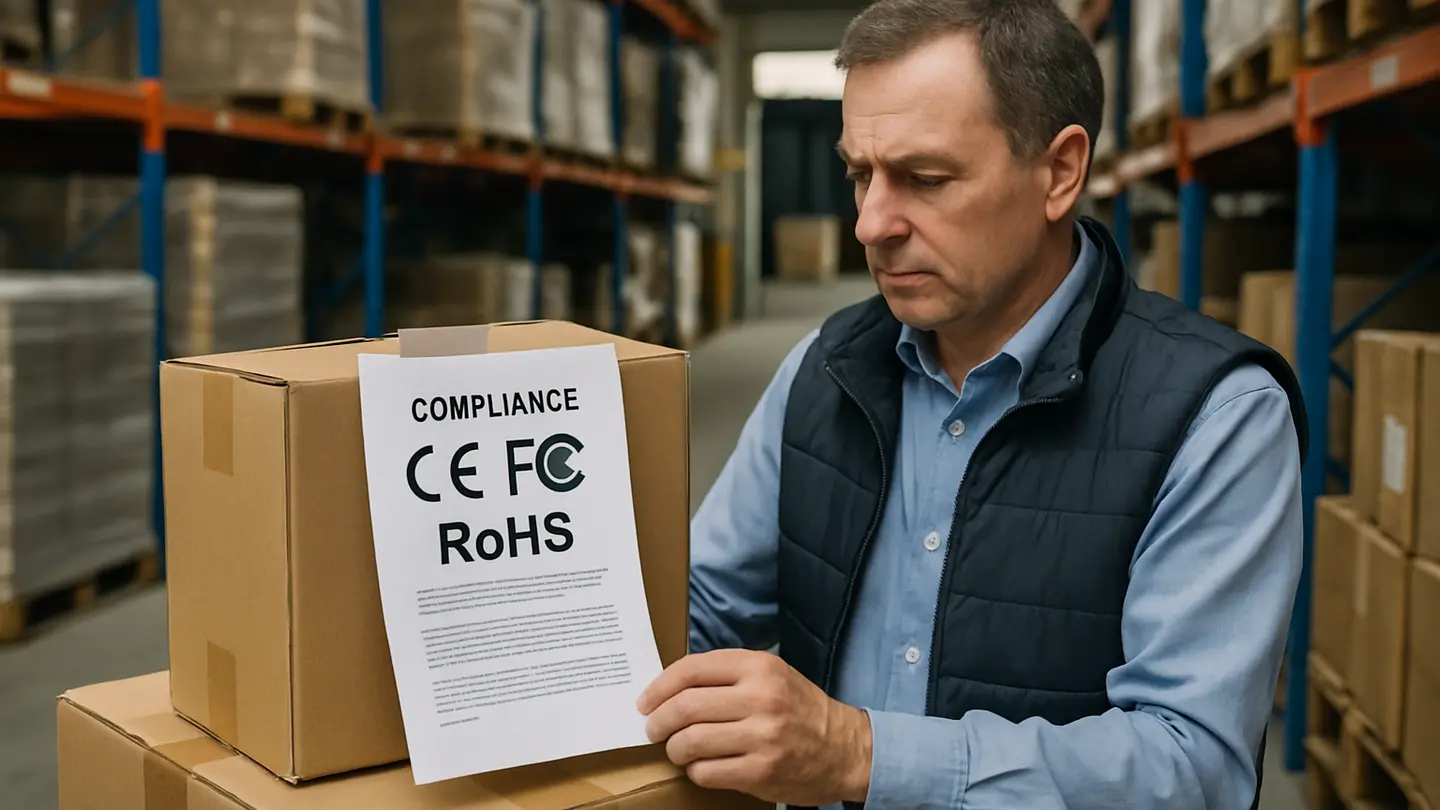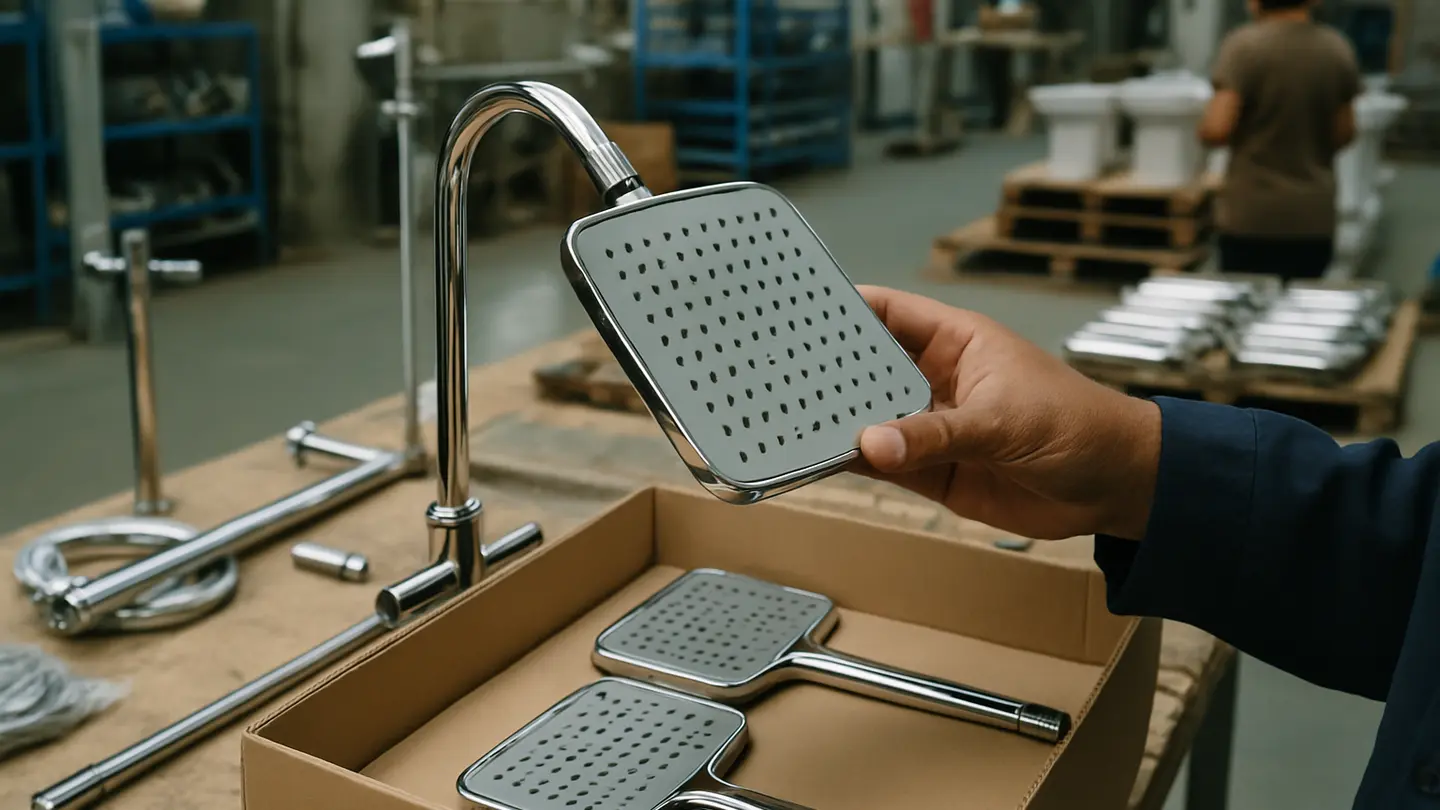
Social data can help sourcing teams see more than popularity. Used carefully, it can show whether a shower manufacturer is visible to relevant buyers, whether its content attracts technical questions, and whether demand is building around certain shower systems, finishes, or installation formats.
For importers, distributors, bathroom brands, hotel project buyers, and contractors, the goal is not to chase viral posts. The goal is to use social signals as one more layer of sourcing intelligence before shortlisting, sampling, auditing, or scaling orders.
What Social Media Metrics Mean When Sourcing Shower Manufacturers
Social media statistics measure how people interact with content. They include reach, impressions, views, engagement, click-through activity, audience geography, follower growth, lead cost, form submissions, catalog downloads, and conversion-related actions.
For shower sourcing, these numbers matter only when connected to procurement questions:
- Does the audience include wholesalers, contractors, distributors, designers, and project buyers?
- Are people asking about glass thickness, valve compatibility, finishes, certifications, MOQ, or delivery time?
- Do views lead to catalog requests, RFQs, sample orders, or supplier audits?
- Are inquiries coming from target export markets?
- Does the content show real production capability, or only lifestyle photos?
Raw views are rarely enough for B2B sourcing. A shower video can attract consumers without producing one qualified wholesale buyer. More useful signals include post-click behavior, catalog downloads, RFQ quality, sample requests, distributor follow-up, and assisted conversions that later happen through email, search, trade platforms, or offline contact.
Qualified comments are especially valuable. A hotel contractor asking about anti-leak performance is more useful than hundreds of generic likes. A distributor asking about packaging, spare parts, and container loading is a stronger buying signal than broad consumer praise.
In short, social data helps assess whether a shower manufacturer is credible, relevant, and visible in your target market—but only when filtered through buyer quality and sourcing intent.
How Platform Signals Influence Shower Manufacturer Selection
Different platforms create different sourcing signals. A buyer researching shower enclosures, shower panels, faucets, thermostatic systems, or bathroom hardware may watch an installation video, save a finish comparison, visit the website, then request a catalog through email or a marketplace.
Repeated engagement with technical content can signal future demand. If project buyers watch waterproofing tests, factory walkthroughs, pressure testing, or installation demonstrations, that may indicate a real need for product validation.
The key is to trace social exposure to downstream sourcing outcomes:
- Social post view → catalog download
- Installation video → technical question
- Factory tour → RFQ
- Finish comparison → sample request
- Project case study → supplier audit
- Retargeting ad → purchase discussion
- Product demo → repeat shipment planning
No single benchmark applies everywhere. A YouTube factory tour, LinkedIn post, Instagram showroom image, TikTok trend video, and regional platform campaign all reflect different buyer behavior.
1. Match Each Platform to the Shower Sourcing Funnel
LinkedIn is useful for professional vetting. It can help buyers review company representatives, export managers, executives, distributor connections, project references, and B2B credibility.
YouTube is valuable for searchable proof. A shower manufacturer can use it to show factory tours, installation demonstrations, load tests, salt spray tests, packaging workflows, pressure testing, and quality-control processes.
Facebook and Instagram are more visual. They can support retargeting with showroom imagery, project references, finish comparisons, testimonials, and lifestyle applications.
TikTok and short-video discovery platforms can reveal design trends quickly, including smart showers, hidden drains, frameless enclosures, compact layouts, or new finishes. But consumer attention does not automatically equal procurement intent, so leads need stricter qualification.
Regional platforms also matter, especially in APAC markets where local buyers may rely on domestic social ecosystems for supplier discovery, communication, reviews, and commerce-related activity.
2. Read B2B Engagement Benchmarks Beyond Surface Reach
Engagement benchmarks can guide decisions, but they should not be isolated scorecards. A shower manufacturer with modest reach but strong technical engagement may be more relevant than a competitor with viral lifestyle content and weak RFQ quality.
For wholesale, OEM, ODM, and project sourcing, smaller volumes of high-intent engagement often matter more than broad exposure. Stronger procurement signals include:
- Saved installation posts
- Repeated views of testing videos
- Comments about glass thickness or frame material
- Questions about pressure compatibility
- Requests for catalog files or drawings
- Messages asking about MOQ, lead time, or packaging
- Inquiries about certifications or warranty terms
- Follow-up from distributors or contractors
Different content formats produce different behaviors. Installation content may drive saves. Factory walkthroughs may generate direct messages. Testing videos may trigger technical questions from contractors or project buyers.
3. Build a Practical Analytics Method for Shower Supplier Evaluation
Before relying on social signals, clean up the data. Combine platform analytics, advertising reports, website behavior, RFQ records, and CRM notes where possible. A single dashboard is less important than consistent tracking.
Useful metrics include:
- Impressions and reach
- Video completion rate
- Saves and bookmarks
- Technical comments
- Click-through rate
- Website dwell time
- Catalog downloads
- Form fills
- RFQ submissions
- Sample requests
- Repeat inquiries
- Supplier audit requests
- Trial orders
- Shipment outcomes
The most important step is correlation. Do posts about pressure testing lead to higher-quality RFQs? Do factory videos create more sample requests than showroom photos? Do installation guides attract contractors from the target region?
B2B attribution is rarely clean. A buyer may see a video on YouTube, later search the company name, download a catalog, then send an inquiry through email. Because direct-click reporting often understates social influence, track assisted conversions where possible and ask incoming leads how they first discovered the manufacturer.
4. Turn Social Statistics into Shower Supply Chain Actions
Social data becomes valuable when it changes operational decisions. High reach from homeowners may not justify reserving factory capacity. Qualified RFQs from importers and contractors may support earlier sample planning or component purchasing.
For technical B2B audiences, raw operational content often performs better than polished lifestyle imagery. Production-line clips, glass processing videos, pressure testing, packaging demonstrations, finish inspection, and assembly workflows answer practical buyer concerns.
Supply-chain teams should shift budget toward channels and content formats that generate commercial actions. If YouTube factory videos produce sample requests, invest there. If LinkedIn posts attract project buyers, use it for retargeting. If Instagram only produces consumer likes, treat it as brand visibility, not procurement demand.
Landing pages should match the proof shown in social content. A post about safety glass should lead to specifications, drawings, test information, installation manuals, packaging options, finish choices, and quality-control steps.
Why Social Statistics Matter for Shower Supply Chain Teams
Social statistics help sourcing and supply-chain teams allocate attention, budget, and risk controls more effectively. They can show where buyer interest is commercially relevant, which product categories are gaining traction, and which manufacturers are building trust with professional audiences.
For shower products, this matters because demand changes can affect factory capacity, sample lead times, MOQ flexibility, inventory planning, component purchasing, and logistics. If attention rises around frameless enclosures, brushed finishes, thermostatic systems, or compact bathroom solutions, buyers may need to act before traditional sales reports show the full trend.
Operational proof also strengthens trust. A shower manufacturer that regularly shows production, quality checks, testing, and packaging may reduce uncertainty for high-consideration buyers. Social content does not replace an audit, but it can help decide which suppliers deserve deeper evaluation.
1. Improve B2B ROI When Promoting Shower Products
Benchmark-informed channel selection can reduce wasted ad spend. Shower enclosures, shower columns, mixer systems, and bathroom accessories require sourcing messages that appear where decision-makers are active, not simply where traffic is cheap.
Importers may respond to product range and export experience. Contractors may care about installation speed and durability. Distributors may focus on packaging, spare parts, after-sales support, and reorder consistency. Private-label buyers may evaluate customization, finish control, MOQ, and sample development.
LinkedIn and YouTube retargeting can be useful when audiences have already engaged with technical or sourcing-related content. Instead of advertising to broad bathroom design audiences, focus on people who watched factory walkthroughs, downloaded catalogs, or engaged with installation videos.
Cost per lead should always be judged against quality. A low-cost consumer inquiry is less useful than a higher-cost RFQ from a distributor with clear order potential. Track buyer role, country, order size, timeline, and readiness to request samples or quotations.
2. Analyze Ad Spend with Procurement Intent in Mind
Granular engagement data helps distinguish useful clicks from empty traffic. A campaign may look successful if many people click, but bounce behavior and short session duration can reveal a mismatch between the ad and buyer expectations.
Ad creative should reflect how professional buyers evaluate shower products. Useful topics include:
- Materials and surface finishing
- Glass thickness and safety features
- Water pressure compatibility
- Cartridge or valve options
- Certifications and test standards
- Warranty terms
- Packaging and palletization
- Installation requirements
- Customization options
- Export documentation and lead time
If an ad promises “factory-direct shower systems” but the landing page only shows lifestyle images, procurement buyers may leave quickly. Technical landing pages usually work better, with specifications, drawings, test references, finish options, installation manuals, customization scope, and clear inquiry forms.
The goal is not just more traffic. The goal is better-qualified traffic that moves toward sampling, audit, quotation, and order decisions.
3. Build Trust Signals for High-Consideration Shower Buyers
Enterprise buyers rarely approve a shower manufacturer based on attractive product images alone. They usually need evidence before submitting an RFQ, requesting samples, or adding a supplier to an approved vendor list.
Trust-building content can include:
- Factory-process videos
- Incoming material checks
- Glass safety testing
- Pressure testing
- Salt spray or corrosion-related testing where applicable
- Surface finishing control
- Assembly-line workflows
- Packaging and drop-protection demonstrations
- Certification documents, where valid and relevant
- Inspection procedures
- Finished-project references
Unedited operational content can feel more credible than polished promotional media. A simple video showing packaging, labeling, or pressure testing may answer buyer concerns more directly than a showroom image.
Visible production capability can also move stalled negotiations forward when buyers are uncertain about capacity, quality control, or packaging reliability.
4. React Faster to Social Commerce and Bathroom Trend Signals
Social engagement can indicate product interest before traditional sales channels catch up. Early attention around smart shower controls, matte finishes, brushed metal, space-saving enclosures, concealed fittings, or accessible bathroom layouts can help sourcing teams prepare.
The right response is operational, not just promotional. If qualified buyers ask about a specific finish or system, a purchasing team may need to secure components, glass, cartridges, packaging materials, or production slots. If project buyers repeatedly ask about installation details, the manufacturer may need more manuals, drawings, and technical support resources.
Demand spikes should be connected to procurement, inventory, and logistics. A successful campaign can create problems if sample capacity, inspection staffing, or shipping plans are not ready. Measure the full path: awareness, trust, RFQ, sample approval, production order, shipment, and repeat purchase.
In markets where social commerce is mature, platform behavior can influence cross-border sourcing attention and supplier communication patterns. Use this evidence directionally, not as a substitute for verified order data.
5 Limits of Using Social Data to Source Shower Manufacturers
Social statistics are useful, but they cannot replace supplier audits, sample testing, certification checks, factory visits, third-party inspections, or shipment performance reviews. A shower manufacturer still needs verified production capability, quality systems, compliance documentation, and reliable delivery.
Social data should reduce uncertainty, not create false confidence. It has limits in attribution, lead quality, capacity planning, demand forecasting, and operational validation.
1. Messy Attribution Can Hide Real B2B Influence
B2B buyers often interact with several channels before choosing a shower manufacturer. They may see a factory video, visit the website later, compare suppliers on a trade platform, forward product information to colleagues, and finally send an email inquiry.
Platform attribution may miss these touchpoints. Direct-click reporting can make factory videos, technical posts, and product demonstrations look less valuable than they are. Manual searches, forwarded links, distributor referrals, and offline conversations can obscure the original source of demand.
For this reason, combine digital tracking with sales-team notes. Ask qualified leads what content they saw, which products interested them, and why they contacted the supplier.
2. High Engagement May Not Equal Qualified Shower Demand
High engagement can be misleading. Shower design content may attract homeowners, DIY viewers, interior design fans, or casual consumers with no wholesale, OEM, ODM, or project buying intent.
Before treating an engagement spike as demand, evaluate:
- Buyer role
- Company type
- Target market
- Order size
- Technical requirements
- Sample readiness
- Budget stage
- Timeline
- Import or project experience
A viral shower design video may create attention without viable sales opportunities. Lead quality should be checked before increasing production plans, reserving capacity, or expanding inventory.
3. Viral Demand Can Strain Shower Production Capacity
Sudden demand spikes can disrupt production planning. If qualified inquiries rise quickly, a shower manufacturer may face pressure on labor, assembly lines, glass processing, surface finishing, testing, packaging, and inspection capacity.
Unexpected volume can also affect MOQ assumptions, material purchasing, and sample schedules. Rapid growth may require faster packaging procurement, premium freight, additional quality-control resources, or adjusted production slots.
Buyers should plan buffers. Safety stock, alternative approved suppliers, flexible delivery windows, and early component planning can reduce the risk of algorithm-driven demand volatility.
4. Algorithm Changes Can Distort Shower Demand Forecasts
Platform algorithms can change reach, lead cost, and campaign performance quickly. A content format that performs well one month may lose visibility the next. A target audience may become more expensive to reach, and some regions or buyer groups may be underrepresented.
Forecasts based on social data should therefore be treated as variable. Do not build production plans only on recent engagement growth. Compare social signals with RFQs, sample requests, distributor feedback, website behavior, search demand, and actual purchase orders.
Regional platform differences also matter. Buyer behavior in China, Southeast Asia, Europe, the Middle East, and North America may not follow the same pattern. Data collection bias can hide emerging buyer groups or overstate interest from easy-to-reach audiences.
5. Demographic Data Should Guide, Not Decide, Supplier Strategy
Platform demographic averages are useful, but they can hide valuable niche buyer groups. A platform perceived as consumer-led may still reach boutique bathroom brands, installers, contractors, designers, or small distributors if the content is technical enough.
Do not reject a channel only because its broad demographics look imperfect. Specific keywords, installation content, factory proof, or project case studies may reach senior B2B audiences in unexpected places.
At the same time, do not let demographic assumptions override raw inquiry data. Real RFQs, qualified buyer conversations, sample orders, and repeat purchase behavior are stronger signals than generalized audience profiles.
The Takeaway: Use Social Intelligence to Source Shower Manufacturers More Safely
Social media statistics are most useful when interpreted through sourcing, operational, and commercial context. For a shower manufacturer, the best metrics are not necessarily the biggest numbers. They are the signals that improve supplier shortlisting, budget allocation, trust assessment, capacity planning, and logistics decisions.
Prioritize high-friction engagement: technical questions, catalog requests, RFQs, sample discussions, distributor follow-up, audit interest, and repeat inquiries. These actions can reveal real sourcing demand before competitors react.
At the same time, avoid making major decisions based only on visible popularity. Viral reach can create supply-chain risk if the manufacturer is not prepared for volume, quality control, sampling pressure, or delivery commitments.
Use social intelligence as a supporting tool. Combine it with supplier audits, sample testing, certification verification, factory capability checks, and shipment performance. When used this way, social data can help buyers choose a shower manufacturer more carefully, plan inventory more intelligently, and reduce operational risk before scaling orders.