For B2B buyers, how to source custom products made in China is not mainly a search problem. It is a control problem. Many projects fail because a product idea is treated as if it were already a manufacturing instruction. A buyer may know what the product should look like or what market gap it should fill, but the factory needs a buildable, testable specification.
Custom sourcing becomes risky when quotes, samples, tooling, and production deposits are handled through informal expectations. A supplier may interpret “premium,” “durable,” or “similar to the reference sample” according to its standard materials, tooling, or cost structure. The buyer may only discover the difference after paying for samples, molds, or production.
A disciplined sourcing process reduces that risk. Before production starts, buyers should define the product, verify the supplier, protect sensitive design information, approve prototypes, and budget for development costs.
Step 1: Turn the Product Idea Into a Buildable Specification
A product description tells a supplier what you want in broad terms. A specification tells the supplier what to build, how to measure it, and how acceptance will be judged. Factories must fill any missing detail with assumptions.
If a buyer asks for a “high-quality stainless steel shower shelf,” different suppliers may quote different steel grades, thicknesses, finishes, welding methods, packaging standards, and load capacities. The prices may look comparable, but the products behind them may be very different.
A usable specification should give suppliers enough information to quote the same intended product. Depending on the product, it may include:
| Specification area | What to define |
|---|---|
| Dimensions | Overall size, key component dimensions, hole locations, wall thickness, connection points |
| Tolerances | Acceptable variation for critical dimensions, fit, alignment, and assembly |
| Materials | Material grade, thickness, hardness, coating, additives, or approved alternatives |
| Color and finish | Color codes, gloss level, surface texture, plating, brushing, polishing, or coating requirements |
| Performance | Load capacity, flow rate, pressure resistance, sealing performance, corrosion resistance, cycle testing |
| Packaging | Unit packaging, inner carton, master carton, labeling, barcode, drop-test expectations |
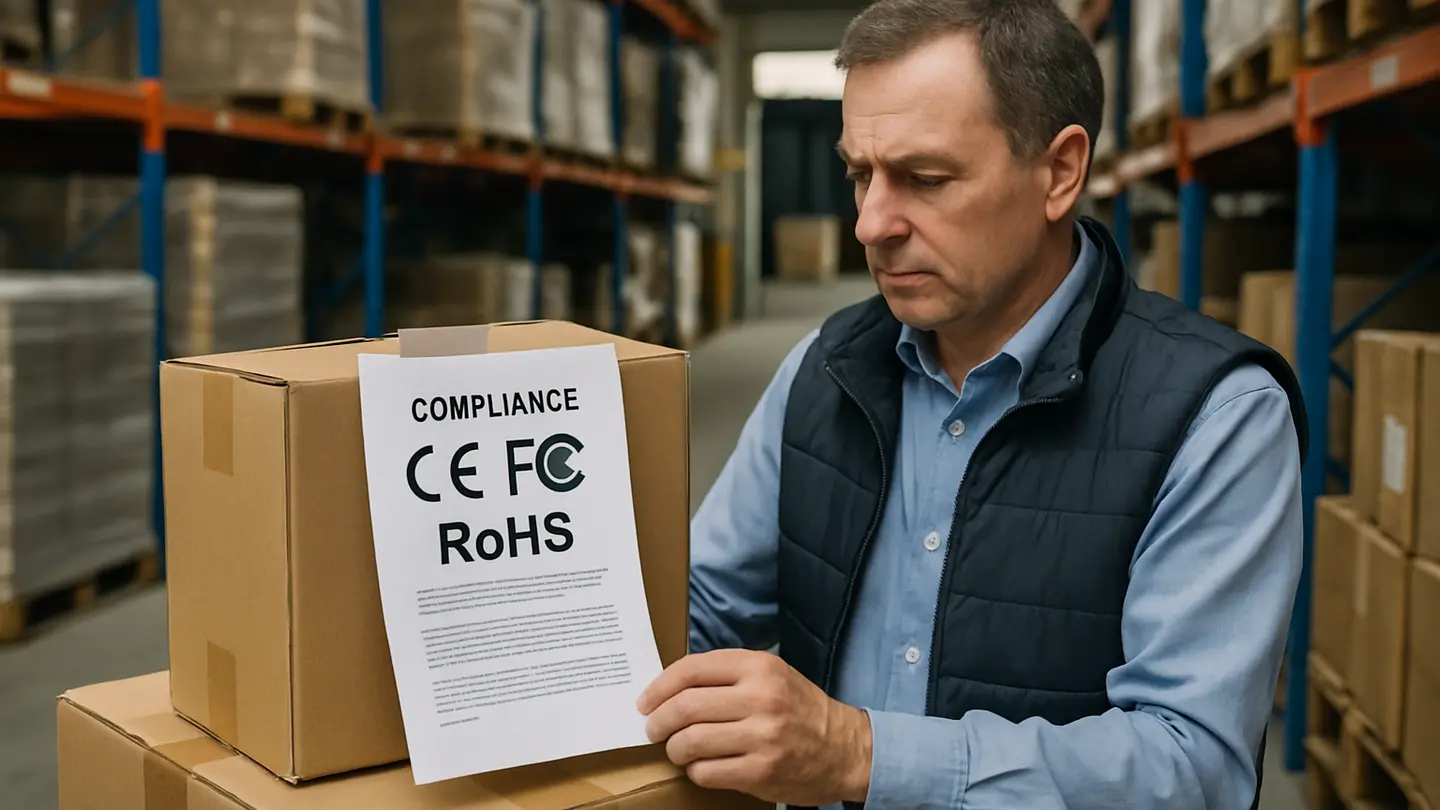
| Compliance and testing | Required standards, market-specific documentation, lab testing, or buyer test protocols |
| Quality criteria | Acceptable defects, inspection method, AQL level, reference samples, visual acceptance limits |
The same discipline applies to private-label projects. Even if the product is based on a supplier’s existing model, buyers still need to lock key decisions: exact model, logo placement, printing method, packaging artwork, material options, accessories, instructions, labeling, and compliance or testing requirements.
Subjective adjectives should be replaced with measurable criteria. Instead of “sturdy,” specify a minimum load test. Instead of “high-quality finish,” define the finish type, visible defect limits, salt spray test requirement, or approved reference sample.
This early work also improves quote comparison. When factories receive a detailed specification, they can quote line items more clearly: material, tooling, surface treatment, packaging, testing, sample cost, lead time, and MOQ. If one supplier’s price is much lower, the buyer can ask which material, process, or tolerance assumption created the difference.
The goal is not to make the first document perfect. The goal is to make technical questions visible before money is committed. A good specification invites useful supplier feedback; a vague brief invites hidden assumptions.
Step 2: Check the Supplier Before Sharing Detailed Files
Custom sourcing often requires more disclosure than buying a standard catalog product. Before sending drawings, CAD files, formulas, or detailed tolerances, buyers should know who they are dealing with.
Start by confirming whether the company is a manufacturer, a trading company, or a mixed operation. None is automatically good or bad. A trading company may help with multi-component products or small buyers that need coordination. A factory may offer stronger process control for specialized products. The risk is not the business model itself; the risk is misrepresentation.
Ask direct questions:
- Are you the factory that will produce this product?
- What production processes are performed in-house?
- Which processes are outsourced?
- What machinery or equipment will be used for this product?
- Have you produced similar products before?
- Which process would you recommend for this design, and why?
- What quality checks are performed before shipment?
- How are drawing revisions controlled?
For a custom shower component, one supplier may handle casting and machining in-house but outsource polishing and plating. Another may buy semi-finished parts from a partner factory and only assemble and pack. These arrangements can work, but the buyer should know where quality risks enter the chain.
Supplier responses reveal more than capability. They show technical discipline. A capable supplier will usually ask detailed questions, identify constraints, and explain trade-offs between material, tolerance, finish, lead time, and cost. A weak supplier may accept every requirement without review, then introduce changes after payment.
Basic verification should include:
- Business registration and license scope
- Legal company name in Chinese and English, where applicable
- Factory address and consistency across documents
- Business license, proforma invoice, bank account, and website details
- Production-floor photos or live video evidence
- Relevant equipment, warehouse, QC area, and sample room evidence
- Export experience for the intended product category
- References or records for similar products where appropriate
Watch for warning signs: shifting explanations about ownership, refusal to provide factory evidence, pressure to place a large order before technical review, confusion over drawing revisions, reluctance to put specifications in writing, or inconsistent company names across documents and payment details.
Factory visits are not always necessary at the first screening stage, but some evidence is. For higher-value, technical, or first-time relationships, an on-site audit or local verification can be a sensible cost before deposit payment.
Step 3: Protect the Design Before Releasing It
Buyers often share too much too early. A first supplier email should not contain full manufacturing drawings, complete CAD files, critical tolerances, customer lists, or confidential product strategy. Early outreach should screen capability and rough price range, not transfer the entire development package.
A China-focused confidentiality agreement can be part of the control structure. Depending on the project and legal advice, such an agreement may address three practical risks:
- Nondisclosure: the supplier may not share the design or documents with unauthorized parties.
- Non-use: the supplier may not use the design to produce competing products or sell it independently.
- Non-circumvention: the supplier may not bypass the buyer to approach the buyer’s customers, distributors, or sales channels.
Confidentiality paperwork is not a substitute for supplier due diligence, but refusal to sign reasonable confidentiality terms is a risk signal. So is a supplier that insists on receiving complete files before giving evidence of production capability.
Buyers should also understand the difference between types of intellectual property protection. Trademarks protect brand names and logos. They do not usually protect a product’s shape, mechanism, or functional invention. If a product includes a distinctive form, technical mechanism, or new functional feature, patents, design registrations, or other protections may be relevant. The correct route depends on the product and markets involved, so legal advice should be sought before disclosure where the design is commercially important.
Practical file controls also help. For early discussions, buyers can use watermarked drawings, partial drawings, redacted files, screenshots rather than editable files, or simplified technical packs. Share enough information for the supplier to assess capability, but hold back critical manufacturing details until protections and commercial terms are in place.
Ownership should also be addressed before money is spent. Tooling, molds, fixtures, drawings, and design files can become sources of dispute if the contract is vague. The manufacturing agreement should state who owns the mold, whether the supplier can use it for other customers, where it will be stored, what happens if the relationship ends, and whether the buyer can move the tooling to another factory.
Design protection is not only legal. It is also operating discipline: disclose in stages, document what was shared, and make ownership clear before the supplier has leverage.
Step 4: Approve Prototypes Before Paying for Production Tooling
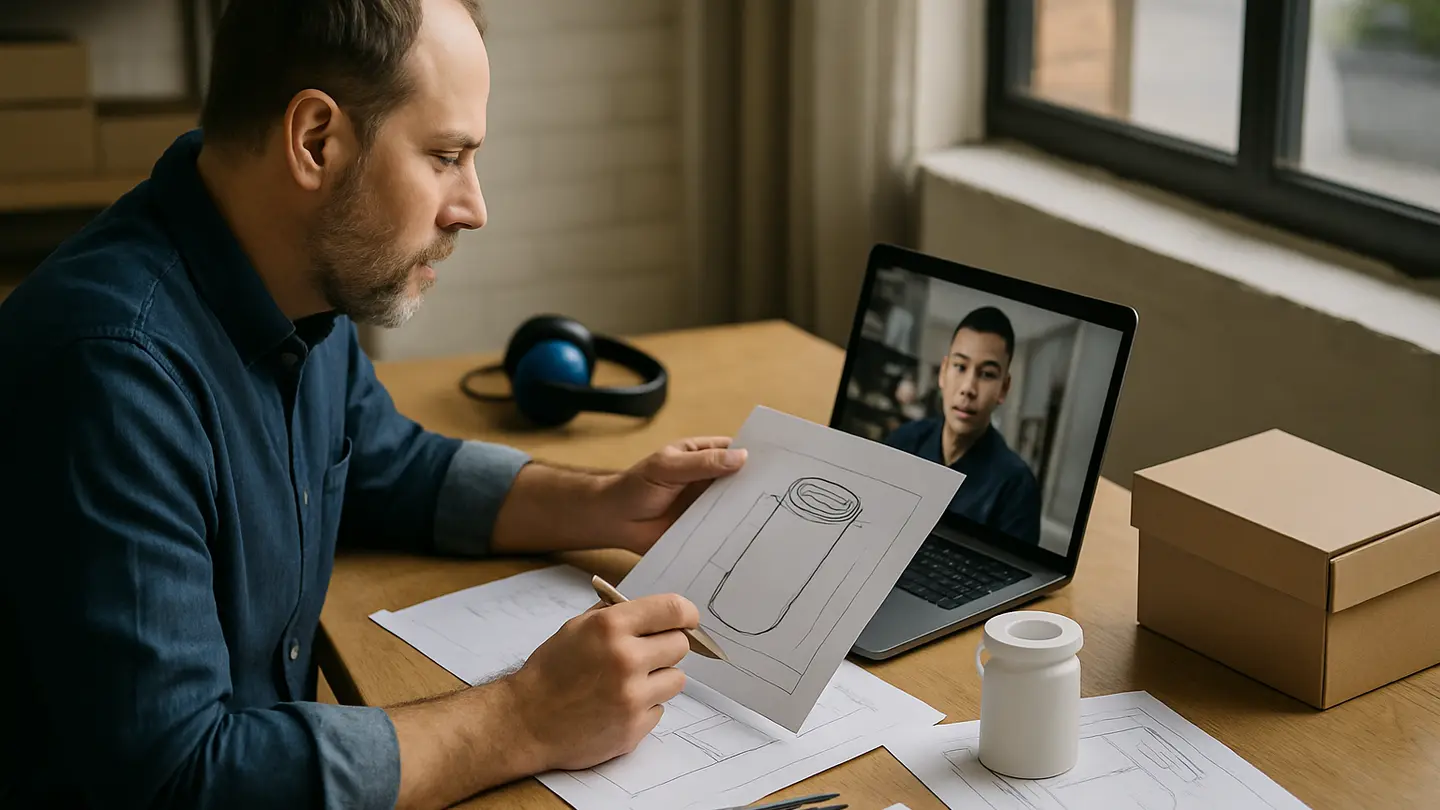
Prototypes test whether the intended product can be made as imagined. They also expose gaps in the specification. A drawing may look complete until a sample shows that an edge is uncomfortable, a finish scratches too easily, a gasket does not seal, or a component is difficult to assemble.
Not all samples answer the same question:
| Sample type | Main question it answers |
|---|---|
| Concept sample | Is the basic idea understandable and directionally viable? |
| Looks-like sample | Does the shape, size, color, and appearance match the intended product? |
| Works-like sample | Does the product function as required under realistic conditions? |
| Pre-production sample | Does the final tooling and production process produce acceptable parts? |
A concept sample may be rough and may not use final materials. A looks-like sample may show the correct appearance but not final function. A works-like sample should test performance, fit, and use conditions, even if it requires temporary tooling, jigs, fixtures, holders, 3D printing, CNC machining, or prototype molds. A pre-production sample is usually made from finished or near-finished tooling and confirms that the production process is ready.
This distinction is important. Some buyers mistakenly treat a pre-production sample as the first real prototype. By then, expensive tooling decisions may already have been made. If the design itself is wrong, the buyer may face mold modification costs, delays, or a compromised product.
Complex products generally need working samples before production tooling is approved. This is especially true where the product involves sealing, water pressure, load-bearing performance, moving parts, electronics, coatings, chemical exposure, or compliance testing.
Prototype approval should be documented. Buyers should keep dated photos, videos, inspection notes, test results, and signed sample approvals. If changes are required, each revision should receive a new version number. Avoid approving a sample verbally while continuing to discuss changes informally. That creates uncertainty when production begins.
A good rule is simple: do not pay for production tooling until the product has passed the development question that the tooling is supposed to lock in. If the design is still changing, tooling is premature.
Budget for the Development Stage, Not Only the Unit Price
Many sourcing budgets focus on the unit price and underestimate development costs. That can push buyers into false savings: skipping prototypes, avoiding testing, or rushing tooling before the design is stable. The result is often more expensive than a controlled development budget.
Design changes are usually much cheaper before production tooling is cut. A change to a drawing may cost time and engineering review. A change to a mold may require welding, re-machining, inserts, polishing, testing, and delayed production. In some cases, the tooling may need to be remade.
A realistic development budget may include:
- Initial sample fees
- Prototype production charges
- International courier costs for samples
- Import duties or customs handling for samples
- Temporary tooling, jigs, fixtures, or prototype molds
- Paid engineering or revision rounds
- Material testing
- Compliance testing
- Lab reports required by the destination market
- Packaging tests
- Third-party inspections or audits
- Travel or local factory visit costs for high-value projects
Incomplete drawings can create paid revision cycles. If a buyer changes materials, dimensions, performance requirements, or packaging after development work has started, the supplier may charge for new samples or revised tooling. The better approach is to make revision responsibilities clear from the start: what is included in the sample fee, what counts as supplier correction, and what counts as buyer-requested change.
Compliance and testing should also be budgeted before the production invoice stage. If a product must meet market-specific safety, chemical, plumbing, electrical, labeling, or environmental requirements, testing after mass production is risky. A failed test may leave the buyer with unsellable inventory.
Tooling-heavy products may require higher MOQs. A supplier may need a larger order to recover setup time, machine allocation, custom materials, or mold-related costs. Buyers should ask how MOQ is calculated and whether tooling fees, material minimums, or process setup drive the number.
Development cost is not avoidable overhead. It is risk control. Paying for the right prototype, test, or inspection before production can prevent much larger losses later.
FAQ
Q1: How detailed does the specification need to be for a first quote?
It should be detailed enough that different factories are quoting the same intended product. The first quote does not always require every final production detail, but it should define the main dimensions, materials, finish, performance expectations, packaging assumptions, and required testing or compliance.
If suppliers can interpret the brief in very different ways, the specification is not complete enough for meaningful price comparison.
Q2: What should I not send in the first email?
Do not send full manufacturing drawings, sensitive CAD files, detailed tolerances, proprietary formulas, or confidential customer information in the first outreach email. Early communication should provide enough information to screen supplier capability and obtain rough commercial feedback.
Detailed files should be released in stages after confidentiality protections, supplier verification, and commercial alignment are in place.
Q3: What if the factory says my design cannot be made as drawn?
Ask the supplier to identify the exact issue. Is the problem a dimension, tolerance, material, wall thickness, surface finish, assembly method, tooling limitation, or production process?
A capable supplier should explain feasible alternatives and describe the cost, performance, or appearance implications. A vague rejection may indicate that the supplier is not the right technical fit.
Q4: Do I need to visit the factory during development?
A factory visit is useful, but it is not mandatory for every custom sourcing project. Many projects can be managed remotely through clear checkpoints, documented specifications, video evidence, sample reviews, third-party inspections, and structured communication.
In-person visits or local audits are more important for complex products, high-value tooling, first-time supplier relationships, or projects where process control is difficult to verify remotely.
Conclusion: Control the Work Before Production Starts
Successful custom sourcing depends on work done before production begins. The buyer must convert the idea into a buildable specification, verify the supplier, control design disclosure, approve the right prototypes, and budget for development rather than only comparing unit prices.
These steps reduce disputes because they create records of what was requested, tested, and approved. Without that structure, unresolved gaps in the brief are likely to be filled according to the supplier’s cost priorities, available materials, and standard production habits.
Custom products can be sourced effectively from China, but production should be the result of documented development steps—not informal assumptions, rushed samples, or verbal expectations.