How to Source Kitchen Products From China Without Costly Mistakes
Sourcing kitchen products from China can offer access to a wide variety of cookware, utensils, storage products, knives, bakeware, glassware, and natural-material goods. However, the most expensive problems are often created before a purchase order is placed.
A supplier listing, product photo, or low quotation does not confirm that an item has the required material quality, food-contact suitability, manufacturing consistency, or transport protection. Two products can look nearly identical while using different steel grades, lower-performance silicone, thinner coatings, unstable wooden construction, or packaging that fails during long-distance shipping.
Before comparing prices, buyers should define the product clearly. This includes the target market, intended food-contact use, materials, performance expectations, packaging format, labeling requirements, and acceptable defect levels. These details help buyers compare suppliers on an equivalent basis rather than choosing based on appearance or unit price alone.
The following seven mistakes are among the most common risks when sourcing kitchen products from China.
Mistake 1: Selecting a Supplier Based on Product Appearance
Kitchen products are particularly easy to copy visually. A saucepan, silicone spatula, cutting board, or food container may look similar to another item online while differing significantly in construction, durability, and suitability for food contact.
For example, two stainless steel utensils may have different material grades. Two non-stick pans may use different coating systems or coating thicknesses. Two silicone baking tools may vary in hardness, odor, heat resistance, or formulation. Wooden boards may differ in moisture content, grain direction, adhesive use, and surface treatment.
Before requesting samples or placing an order, ask the supplier for written specifications. Depending on the product, these may include:
- Material type and grade
- Product dimensions and weight
- Wall thickness for metal or plastic products
- Coating type and thickness
- Silicone hardness or other relevant material properties
- Blade material and edge finish for knives
- Wood species and moisture content
- Surface finishes, treatments, and colors
- Assembly method for multi-part products
A written specification gives the buyer a reference point for sample approval, inspection, and future repeat orders. It also makes it easier to identify when a supplier changes materials or components without notice.
Finished goods should be checked against the approved specification and approved sample, not against catalogue images. If a supplier cannot explain the material composition or refuses to document key product details, that may indicate a traceability problem.
Mistake 2: Relying on One Supplier for Every Kitchen Category
A supplier with a broad kitchenware catalogue may be convenient, but broad product coverage does not necessarily mean broad manufacturing capability. Cookware, knives, silicone tools, glassware, ceramic products, bamboo goods, and food-storage containers often require different equipment, material knowledge, and quality-control processes.
A company selling many categories may be a trader or may source products from several factories. This is not automatically a problem. The risk arises when the buyer assumes that the supplier manufactures every product directly and has full control over quality, materials, and production schedules.
Buyers should ask which factory produces each product under consideration. For larger or higher-risk orders, it is useful to understand:
- Whether the supplier is the manufacturer or an intermediary
- Which factory makes each product category
- Whether the factory regularly produces comparable items
- Who is responsible for material sourcing and component purchasing
- Who will manage quality issues, corrective actions, and replacement claims
- Whether the supplier can provide consistent production across repeat orders
A cookware factory may not be the right producer for knife sets. A silicone specialist may not have meaningful experience with bamboo items. A glassware supplier may not be equipped to manage the packaging needs of sharp tools.
When multiple factories or intermediaries are involved, accountability should be clear in writing. Buyers need to know who is responsible if a product fails inspection, does not match the approved sample, arrives damaged, or lacks valid compliance evidence.
Mistake 3: Treating Food-Contact Compliance as Simple Paperwork
Food-contact compliance should be considered during product development, not after production has started. Requirements can vary according to the material, intended use, destination market, and retailer expectations.
A kitchen product may be used with hot food, acidic food, oily food, dry ingredients, or repeated dishwashing. These conditions can affect what evidence is relevant. A cold-food storage container, a silicone baking mold, and a coated frying pan do not present identical material risks.
Buyers should identify the intended sales market before finalizing the product. Requirements for the United States and European markets may differ, and retailers or online marketplaces may request additional documentation or labeling.
Material-specific questions can include:
- Silicone: Is the formulation suitable for the intended temperature range and food-contact use?
- Metal: What metal grade is used, and are there relevant risks from plating, coatings, or welded areas?
- Coated cookware: What is the coating system, and is it appropriate for the product’s intended cooking conditions?
- Plastic: What resin, pigments, and additives are used?
- Bamboo and wood: What finishes, adhesives, treatments, or coatings are applied?
- Multi-material products: Are all components assessed, including handles, seals, lids, grips, and bonded parts?
Inadequate evidence can create serious downstream problems. Goods may be rejected by a retailer, delayed by a marketplace review, require retesting, need relabeling, or require rework that is no longer practical once products have shipped.
Compliance documents are useful only when they apply to the actual product. They should match the production material, color or formulation where relevant, intended use conditions, and destination market.
Mistake 4: Matching a Product With the Wrong Factory Type
A factory may be able to reproduce the general shape of a kitchen product without having the production experience needed to deliver its intended performance.
For example, a supplier may be able to make a silicone utensil that looks correct but uses a formulation that performs poorly under heat. A metal factory may produce a pan with the requested dimensions but lack experience with the specified coating process. A knife supplier may copy a handle design but not achieve the required blade edge, hardness, balance, or assembly quality.
These mismatches are difficult to solve through final inspection alone. Inspection can identify visible defects, but it cannot correct a product that was developed using the wrong material, process, tooling, or factory capability.
Before committing to tooling or mass production, review products the factory routinely produces using the same material and manufacturing process. Relevant questions include:
- Does the factory regularly make products in the same material category?
- Does it use the same forming, molding, coating, bonding, polishing, or assembly process?
- Does it have experience with the product’s intended function?
- Can it explain common quality risks and how they are controlled?
- Can it provide samples that reflect normal production capability?
The goal is not simply to find a factory that can make a similar item. It is to find one that understands the performance requirements of the product being sourced.
Mistake 5: Approving Samples Without Real-Use Testing
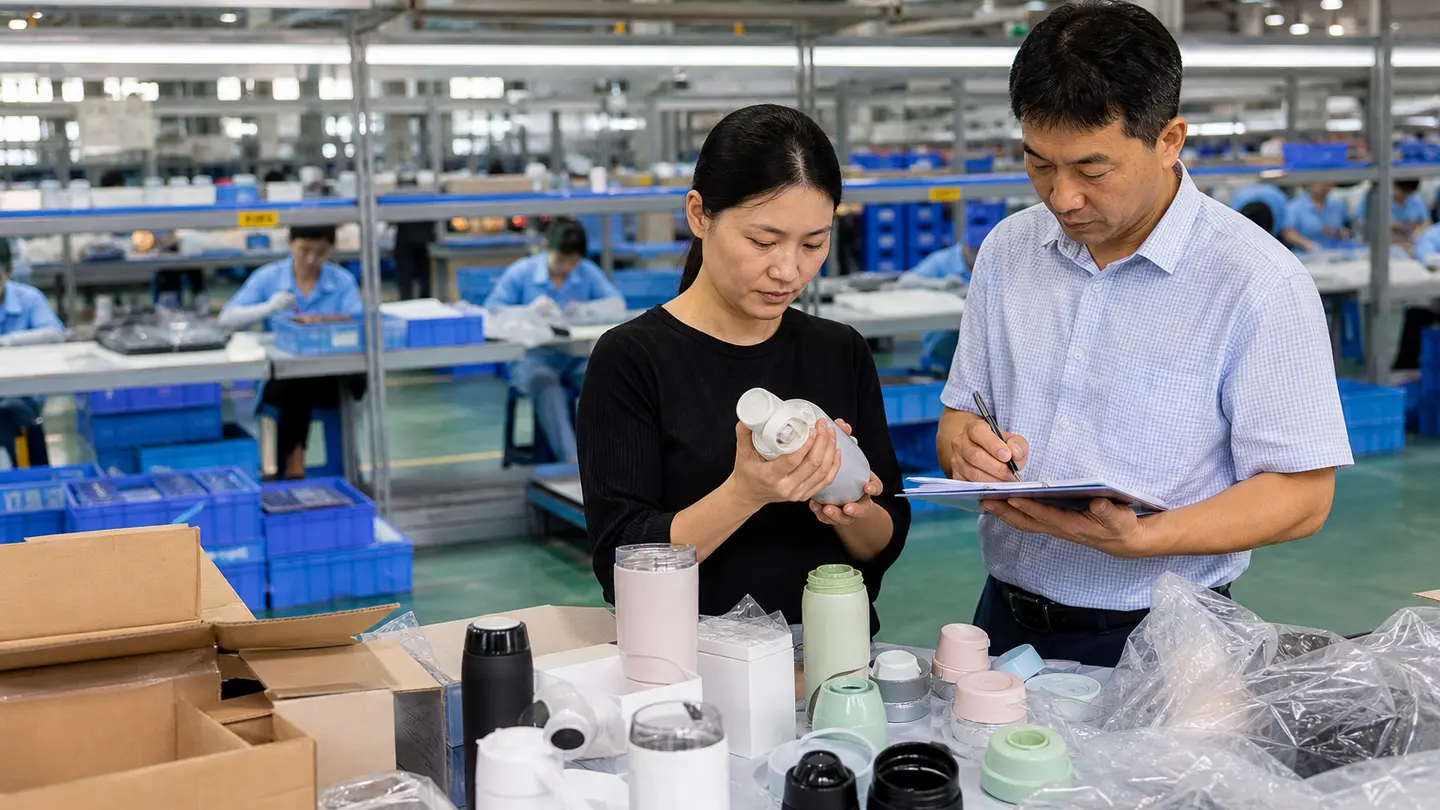
A sample that looks attractive in a showroom or video call may still fail during normal customer use. Visual approval is important, but it should not replace practical testing.
Testing should reflect how the end user will handle the product. The appropriate checks depend on the category:
- Cookware handles should remain secure and comfortable during expected use.
- Knife edges should be assessed for sharpness retention, handling, and safe assembly.
- Food-storage containers should be checked for lid fit, seal performance, and repeated opening and closing.
- Silicone tools should be evaluated for flexibility, odor, surface finish, and use under intended heat conditions.
- Wooden items should be examined for cracking, rough surfaces, warping, splinters, and finish consistency.
The buyer should document both the approved sample and the test criteria. This may include photographs, measurements, product weights, color references, component details, and written functional expectations.
For more complex products, it can be helpful to keep a retained approval sample. This becomes a physical benchmark when reviewing pre-production samples, in-process production, and finished goods.
Pre-shipment inspection can detect some defects, such as scratches, poor assembly, missing accessories, or incorrect packaging. However, it cannot repair a poor product design or an unsuitable material choice after full production is complete. Real-use testing before mass production is therefore one of the most valuable risk-control steps.
Mistake 6: Accepting Standard Factory Packaging Without Testing It
Factory-standard packaging may be adequate for local transport or for a different shipping route, but it may not be strong enough for the buyer’s distribution model. Kitchen products can pass factory inspection and still arrive damaged because the packaging was not designed for repeated handling, container movement, warehousing, parcel delivery, or retail display.
Glassware and ceramic products are especially vulnerable to breakage. Knife packaging must prevent movement, scuffing, dulling, and puncture hazards. Cookware may need protection against rubbing, denting, or handle damage. Wooden and bamboo products may need protection from moisture changes during transport and storage.
Packaging should be assessed at two levels:
- Retail packaging: Does the individual pack protect the product, present it appropriately, and reduce movement inside the box?
- Shipping-carton packaging: Does the master carton protect fully packed units during stacking, loading, and transit?
Buyers should review carton size, internal dividers, protective inserts, product spacing, sealing method, and carton strength. Where practical, test a loaded shipping carton rather than evaluating an empty box or one retail pack alone.
Better packaging adds cost, so the goal is not always maximum protection. The right decision balances packaging expense against expected breakage, customer returns, product safety, and retailer requirements. A slightly higher packaging cost may be more economical than replacing damaged stock or managing negative customer feedback.
Mistake 7: Relying on Unverified Compliance Claims
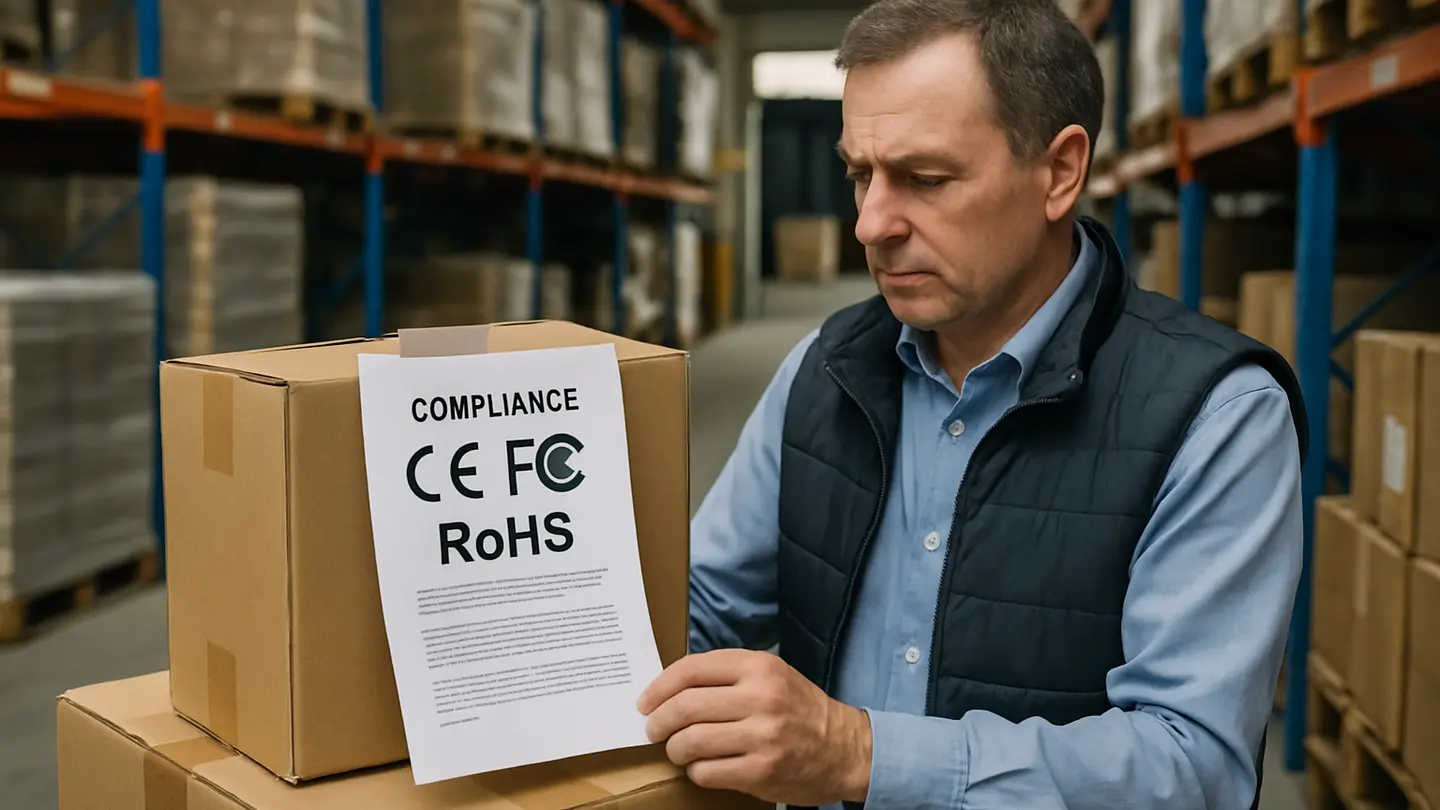
Terms such as “food grade,” “FDA material,” and “BPA free” are often used in supplier marketing. These phrases should not be treated as proof that a product is suitable for the buyer’s intended market or use.
A compliance claim needs supporting evidence. The documentation should correspond to the actual production material, product construction, intended use conditions, and destination market. A document related to one silicone formula, plastic color, or coating system may not automatically apply to another.
Buyers should verify:
- The product description and material listed in the document
- Whether the document relates to the current production material
- Whether pigments, coatings, adhesives, or components are relevant
- Whether the intended market matches the buyer’s sales market
- Whether the expected food-contact conditions are appropriate
- Whether the product has changed since the evidence was created
For multi-component kitchen products, compliance should not be considered only at the finished-product level. A lunch container may include a plastic body, silicone seal, printed decoration, and locking clips. A knife may include metal, polymer, adhesive, and packaging components. Each relevant element may need review.
Suppliers that cannot provide clear, product-matched evidence may be unsuitable for regulated retail channels or higher-risk kitchen categories.
When Does a Buyer Need Sourcing Support?
Experienced buyers may manage repeat orders independently when they already know the product, factory, materials, and compliance requirements. This is especially true when the supplier has demonstrated consistent production over time and the buyer has an established inspection and documentation process.
External sourcing support can be useful when a buyer is entering an unfamiliar kitchen category, working with a new material, developing a first-run product, or evaluating several factories. Support may help with factory selection, sample comparison, document review, production follow-up, packaging review, and first-run quality oversight.
The need for assistance should be based on sourcing risk rather than order volume alone. A small order involving coated cookware, food-contact silicone, or multi-material food-storage products may carry more risk than a larger repeat order for a simple, proven item.
FAQ
Q1: What should I ask for in the first email to a supplier?
Ask for the product material and grade, factory identity, minimum order quantity, available customization options, lead time, and supporting compliance evidence for the intended sales market.
It is also useful to request product dimensions, weight, packaging details, and confirmation of whether the supplier manufactures the item directly. Early responses can reveal whether the supplier understands its own product and can trace key materials and components.
Q2: What changes when one product uses two materials?
A product made from two or more materials should not be treated as a simple single-material item. Each component may need separate assessment for performance and food-contact suitability.
For example, a food container with a plastic body and silicone seal requires attention to both materials. Buyers should identify who makes each component, how components are assembled, and whether the bonding, molding, welding, or adhesive process creates additional risks.
Q3: Do bamboo and wooden products need anything extra?
Yes. Bamboo and wood products require attention to moisture content, grain, construction, finish, treatment, and shipping conditions. Poor drying or unsuitable construction can contribute to cracking, warping, splitting, or surface roughness.
Ask how the material was dried before manufacturing, what finish or treatment has been applied, and how the product is protected during transport. The expected storage climate may also affect product performance.
Q4: Can I test several products together to save money?
In some cases, products with equivalent materials and colors may be grouped for testing. However, grouping should be confirmed by the laboratory before testing begins.
Different pigments, plastic formulations, coatings, or material suppliers may affect whether results can be applied across several products. Do not assume that similar-looking products automatically qualify for the same testing group.
Key Takeaways for Sourcing Kitchen Products From China
Successful sourcing kitchen products from China starts with clear requirements, not with the lowest quotation. Define materials, product performance, destination-market obligations, packaging needs, and acceptable quality standards before comparing suppliers.
Match each product with a factory that has relevant experience in the same material and production process. Request written specifications, test samples under realistic use conditions, and keep approved samples as production benchmarks. Review compliance evidence before shipment, and make sure it applies to the actual finished product.
Distance can make factory oversight, document review, packaging evaluation, and production control more difficult. A structured sourcing process helps buyers identify risks early, when material changes, factory selection, and packaging improvements are still manageable.
Author Profile
The author is a B2B product-sourcing and procurement writer covering supplier evaluation, product specifications, quality control, packaging risks, and food-contact considerations for international buyers. The author focuses on practical purchasing decisions and risk management across consumer-product supply chains.