Starting an import-export business is less about one big idea than a disciplined sequence of decisions. Before a first shipment moves, founders need to validate demand, check product-specific rules, confirm partners, model landed cost, control quality, and assign responsibility for customs and logistics.
What to Prepare Before Launching an Import-Export Company
In the United States, most companies do not need one universal license to start an import-export business. The more important question is whether the product, destination, origin country, or end use triggers customs restrictions, agency permits, labeling rules, testing requirements, or export controls. Food products, electronics, chemicals, vehicle parts, medical items, textiles, and children’s products can each raise different obligations.
Before contacting many suppliers or buyers, establish the operating base:
- Register the business entity.
- Obtain an EIN if required for tax and banking.
- Open a dedicated business bank account.
- Secure a domain, basic website, and professional email.
- Create a filing system for supplier records, product specifications, purchase orders, invoices, shipping documents, and compliance evidence.
- Set up bookkeeping that separates inventory, freight, duties, warehousing, sales, returns, and taxes.
A realistic launch budget should go beyond the first inventory invoice. Include samples, supplier deposits, product testing, certifications, label review, packaging upgrades, inspections, freight, cargo insurance, duties, customs brokerage, domestic delivery, warehousing, sales-channel fees, and contingency reserves.
Your first compliance check should answer: What exactly is the product? What is its HS or HTS classification? Where is it made? Where is it going? Does the destination require permits, labels, testing, or documentation? Who insures the cargo? Who clears customs?
Payment risk also deserves early planning. Avoid paying a full deposit to an untested supplier unless there is a clear reason. Where possible, negotiate staged terms such as a deposit at order placement, balance after inspection, or final payment against shipping documents.
A 7-Step Roadmap for Building the Business
The following seven-step sequence applies to importers looking for overseas suppliers and exporters looking for foreign buyers, agents, or distributors. The details differ by product and country, but the operating logic is the same: validate the niche, build the legal and compliance base, verify partners, test profitability, design logistics, control quality, and turn the first shipment into a repeatable process.
Step 1: Choose a Business Model and Prove the Niche
Start narrow. Choose one business model, one product category, and one target market. New founders often create risk by testing too many products, countries, sales channels, and suppliers at once.
Importers usually focus on finding dependable foreign manufacturers or trading companies, then selling through wholesale, online retail, distributors, or private label. Exporters need to identify foreign demand, qualify buyers or distributors, understand local market access rules, and manage payment risk.
A strong starting niche usually has repeat demand, a clear buyer problem, acceptable gross margins, manageable storage needs, low damage risk, and compliance requirements that a small company can handle. Highly regulated or fragile products can still be profitable, but they are rarely the simplest first category.
Validate before placing orders. Review trade data, buyer demand, marketplace listings, wholesale pricing, competitor positioning, distributor catalogs, and search behavior. Then compare expected selling price with a conservative landed-cost estimate. If the margin only works under ideal freight rates, perfect quality, no returns, and no delays, the niche is not proven.
Step 2: Set Up the Legal Base and Compliance File
Legal setup is more than registering a company. It separates personal and business finances, supports customs and tax documentation, and signals seriousness to suppliers, buyers, banks, forwarders, and brokers.
Product classification should happen before ordering. The HS or HTS code affects duty rates, tariff exposure, documentation, admissibility, labeling, and possible agency review. Misclassification can create underpaid duties, customs holds, penalties, or incorrect cost assumptions.
Create a compliance folder for each product. At minimum, include:
- Product description and technical specifications
- Materials, dimensions, model numbers, and intended use
- Country of origin evidence
- Supplier identity and factory records
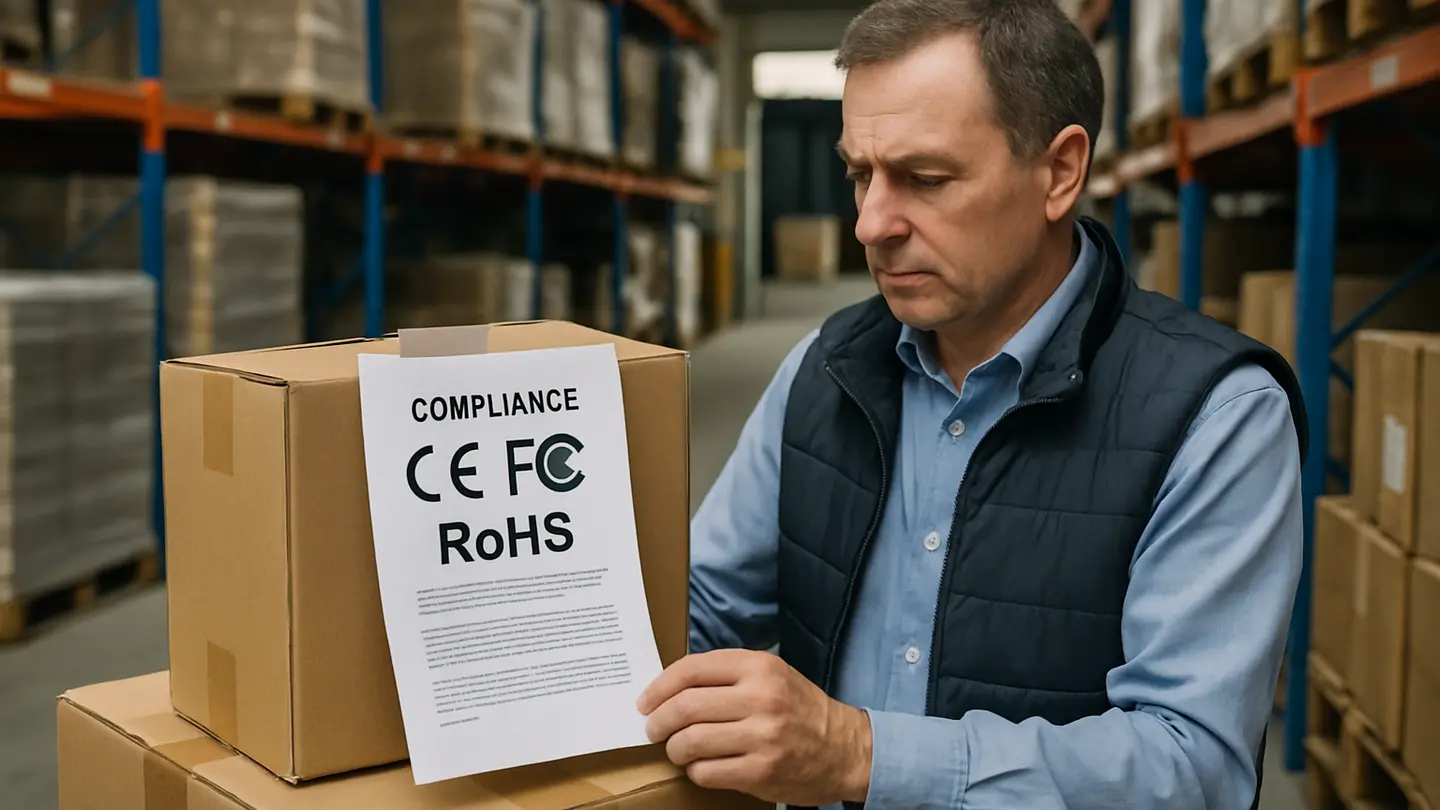
- Certifications, test reports, or declarations where applicable
- Label artwork and packaging details
- Destination-market rules
- HS or HTS classification notes
- Commercial invoices and packing lists
- Bills of lading or air waybills
- Customs bond records where required
- Importer Security Filing records for ocean imports into the U.S., where applicable
- Electronic Export Information filings where required for exports
Build this file before shipment, not after a customs problem appears. For regulated products, involve a licensed customs broker, trade attorney, or compliance specialist early.
Step 3: Find and Vet Suppliers, Buyers, or Distributors
Importers need reliable suppliers. Exporters need qualified buyers, agents, or distributors. In both cases, discovery is only the first stage; verification determines whether the relationship is safe enough to test.
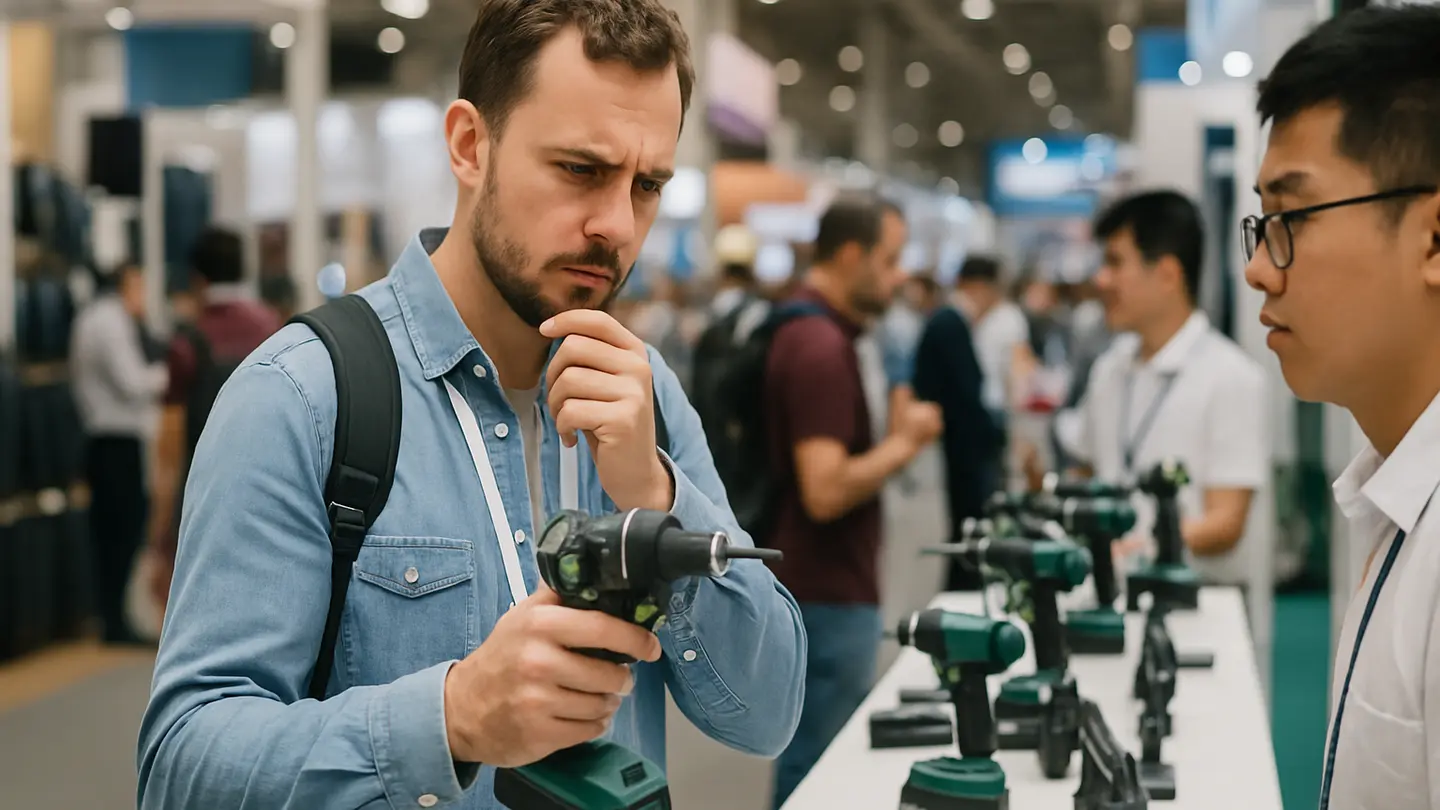
Useful discovery channels include trade shows, industry associations, referrals, sourcing agencies, government or commercial directories, and B2B supplier platforms. For China sourcing, directories such as Made-in-China.com can help identify manufacturers and product categories, but directory visibility is not proof of reliability.
Vet partners through a structured process:
- Confirm legal business identity and registration.
- Review business licenses and export or manufacturing permissions where relevant.
- Check product certifications and factory capability.
- Ask for samples and compare them against written specifications.
- Request references or evidence of relevant production experience.
- Evaluate RFQ responses for completeness and consistency.
- Use video calls to confirm operations and communication quality.
- Consider third-party audits for higher-value or higher-risk orders.
Compare candidates on more than unit price. Minimum order quantity, lead time, Incoterms, payment terms, packaging capability, quality systems, documentation discipline, responsiveness, and willingness to correct problems all affect the final result.
Negotiation should cover packaging, shipping terms, lead times, defect handling, sample credits, tooling ownership, documentation obligations, and extra costs. Beginner importers often ask for a price before defining materials, tolerances, packaging, labels, testing expectations, and cartons. That produces quotes that are hard to compare.
Step 4: Model Profitability Before Placing a Real Order
Build a simple financial model around one product, one origin or destination country, one sales channel, and a realistic first-year revenue assumption. The purpose is to prevent obvious cash and margin mistakes.
Landed cost should include every cost needed to make the product available for sale, not just the supplier’s unit price. Include:
- Unit cost
- Packaging
- Inspection
- Testing or certification
- International freight
- Cargo insurance
- Duties and tariffs
- Customs brokerage
- Port or terminal charges where applicable
- Warehousing
- Domestic delivery
- Fulfillment fees
- Platform or sales commissions
- Returns and replacements
- Currency movement
- Contingency reserves
Payment terms affect working capital. A 30% deposit and 70% balance before shipment ties up cash differently from payment after inspection, payment against documents, or supplier credit. Currency exchange can also move against the buyer between quotation, deposit, balance payment, and final sale.
Before committing, know the break-even volume, minimum order size, gross margin, cash conversion cycle, and cash needed for the next purchase order. A product can be profitable on paper and still fail if cash is locked in inventory while the next reorder is due.
Step 5: Design the Logistics and Customs Process
International trade requires clear role assignment. Freight forwarders arrange transportation. Customs brokers prepare and file customs entries and help calculate duties. Suppliers prepare goods and export documents. Buyers or importers provide classification, product details, and entry information. Warehouses receive goods. Insurers cover defined cargo risks under the policy terms.
Do not assume one vendor handles everything unless the agreement says so. Freight forwarding and customs brokerage may be bundled, separate, or coordinated through different parties.
Incoterms define how cost, risk, and control are divided between seller and buyer. They affect who pays for export handling, international freight, insurance, import clearance, duties, and domestic delivery. Compare supplier quotes using the same Incoterm. A low EXW factory price may exclude origin pickup and export handling. FOB pricing typically includes delivery to the vessel at the origin port, shifting later responsibilities to the buyer.
Select transport mode based on shipment size, urgency, value density, delivery promise, and unit economics. Express courier can work for samples and small urgent shipments. Air freight can suit high-value or time-sensitive goods. Sea freight is usually more economical for larger or heavier shipments but requires longer planning and better inventory control.
Step 6: Put Quality Control in Place Before Shipment
Quality control must begin before production. Approve a golden sample or clearly documented reference sample before authorizing bulk manufacturing. The sample should be tied to written specifications.
Define:
- Materials and components
- Dimensions, tolerances, color, finish, and performance requirements
- Defect categories: critical, major, and minor
- Acceptable quality limits where applicable
- Labeling and marking rules
- Packaging standards
- Carton strength and dimensions
- Barcode, model, batch, or traceability requirements
- Required test reports or certificates
During-production checks can identify problems before the entire order is complete. Pre-shipment inspections are especially important before final payment or cargo release because they provide a final opportunity to catch defects, quantity discrepancies, packaging failures, or labeling issues while goods are still at origin.
Independent third-party inspections are a practical risk-reduction tool for remote orders. They are not a guarantee of perfection, but they provide evidence and leverage when the buyer cannot visit the factory.
Use pilot shipments before scaling. A pilot order tests supplier consistency, packaging durability, transit times, documentation accuracy, landed-cost assumptions, and customer response.
Step 7: Move from First Shipment to Repeatable Operations
After the first delivery, the business shifts from launch mode to operating discipline. The question becomes: can the company repeat the process with predictable cost, quality, timing, and cash flow?
Use dashboards or simple tracking tools for inventory, open orders, supplier production status, purchase-order cash commitments, freight milestones, customs status, receivables, and reorder needs. The system does not need to be complex, but it must show where money and goods are at any point.
Sales channels may include wholesale accounts, direct-to-consumer stores, Amazon FBA, regional distributors, specialist retailers, or global marketplaces. Each channel has different packaging, labeling, delivery, margin, return, and cash-cycle implications.
Audit actual results against assumptions:
- Planned versus actual transit time
- Quoted versus actual freight cost
- Estimated versus paid duties
- Forecasted versus actual fulfillment cost
- Defect rate
- Return rate
- Customer complaints
- Supplier responsiveness
- Cash available for reorder
Then create reorder triggers, supplier scorecards, backup supplier plans, quality-improvement requests, and cash reserves for the next buying cycle. Scaling should be based on evidence, not optimism after one successful shipment.
Common Import-Export Startup Problems and How to Prevent Them
Most early import-export failures come from preventable issues: weak documentation, unclear customs responsibility, underestimated landed costs, quality surprises, and missed permits. Use the following checklist before goods leave the supplier or before export commitments are made.
Problem: Cargo Is Delayed Because Product Descriptions Are Too Generic
Customs documents need accurate commercial descriptions. Generic wording such as “parts,” “accessories,” or “samples” can increase the risk of questions, holds, or classification disputes.
Match the commercial invoice, packing list, origin details, quantities, product specifications, and HS code before shipment. A clear description should identify what the item is, what it is made of, what it is used for, and how it is packaged or counted.
Problem: No One Has Clearly Assigned Customs Clearance
Freight movement and customs-entry filing are not always covered by the same service agreement. A forwarder may arrange transport but not act as the customs broker. A supplier may arrange shipment but not handle import clearance.
Before departure, confirm who appoints the customs broker, who provides entry data, who pays duties and taxes, who is importer of record, and who responds to customs questions. Unclear responsibility can create storage fees, demurrage, delivery delays, and border problems.
Problem: Landed Costs Remove the Expected Margin
Factory quotes often exclude the costs that determine profitability. Duties, brokerage, inspections, testing, packaging upgrades, storage, domestic freight, fulfillment charges, returns, and currency movement can absorb the expected margin.
Update the cost model after each shipment using actual invoices. Do not rely only on supplier quotations or freight estimates. Over time, actual-cost history becomes one of the company’s most valuable planning tools.
Problem: The Bulk Order Does Not Match the Approved Sample
A sample can be excellent while the bulk order is inconsistent. This may happen because of material changes, rushed production, subcontracting, poor process control, or unclear specifications.
Use the approved sample, written specifications, packaging rules, and defect standards as the basis for production control. Require pre-shipment inspection before final payment or cargo release. Start with pilot orders before larger commitments.
Problem: Goods Are Blocked Because Permits or Agency Rules Were Missed
A registered business and a bank account do not satisfy every product-specific import or export rule. Classification and agency review should happen before production authorization or shipment booking.
Depending on the product, agencies such as FDA, EPA, DOT, or other regulators may have jurisdiction. Labeling, testing, certificates, declarations, or admissibility rules may apply. Paperwork and labeling errors are usually cheaper to fix before goods leave the origin factory. For complex or regulated products, use licensed customs brokers, trade counsel, or compliance specialists.
FAQ
1. Do I need a specific license to start an import-export business?
Most U.S. commercial goods do not require one general import-export license. However, permits and approvals may be required depending on the product, HS code, origin, destination, end use, and regulating agency. Products under FDA, EPA, DOT, or other agency jurisdiction may need additional review. Verify the rules before ordering, manufacturing, or shipping.
2. How much money do I need to import from China?
A small pilot shipment may still require several thousand dollars once samples, deposits, testing, inspection, freight, duties, brokerage, warehousing, and reserves are included. The exact amount depends on product value, MOQ, shipping mode, and compliance requirements. Avoid spending the entire budget on inventory; customs delays, storage fees, returns, or reorder timing can create cash pressure.
3. How do I find reliable overseas suppliers?
B2B directories such as Made-in-China.com can help with discovery, but reliability depends on verification. Check business identity, production capability, quality certifications, references, sample quality, and communication discipline. Use video calls, factory documents, third-party audits where appropriate, and regular inspections. If a supplier refuses reasonable verification, treat that as a warning sign.
Conclusion: Turn the First Trade Plan into a Controlled Launch
A successful import-export launch depends on sequencing, documentation discipline, cost control, partner verification, and quality management. Start with one product, one target market, and one manageable sales channel.
The immediate next steps are practical: select the niche, classify the product, check regulations, compare quotes on the same terms, request samples, model landed cost, plan quality control, and prepare a pilot shipment. That controlled first shipment becomes the foundation for a repeatable global trade operation.