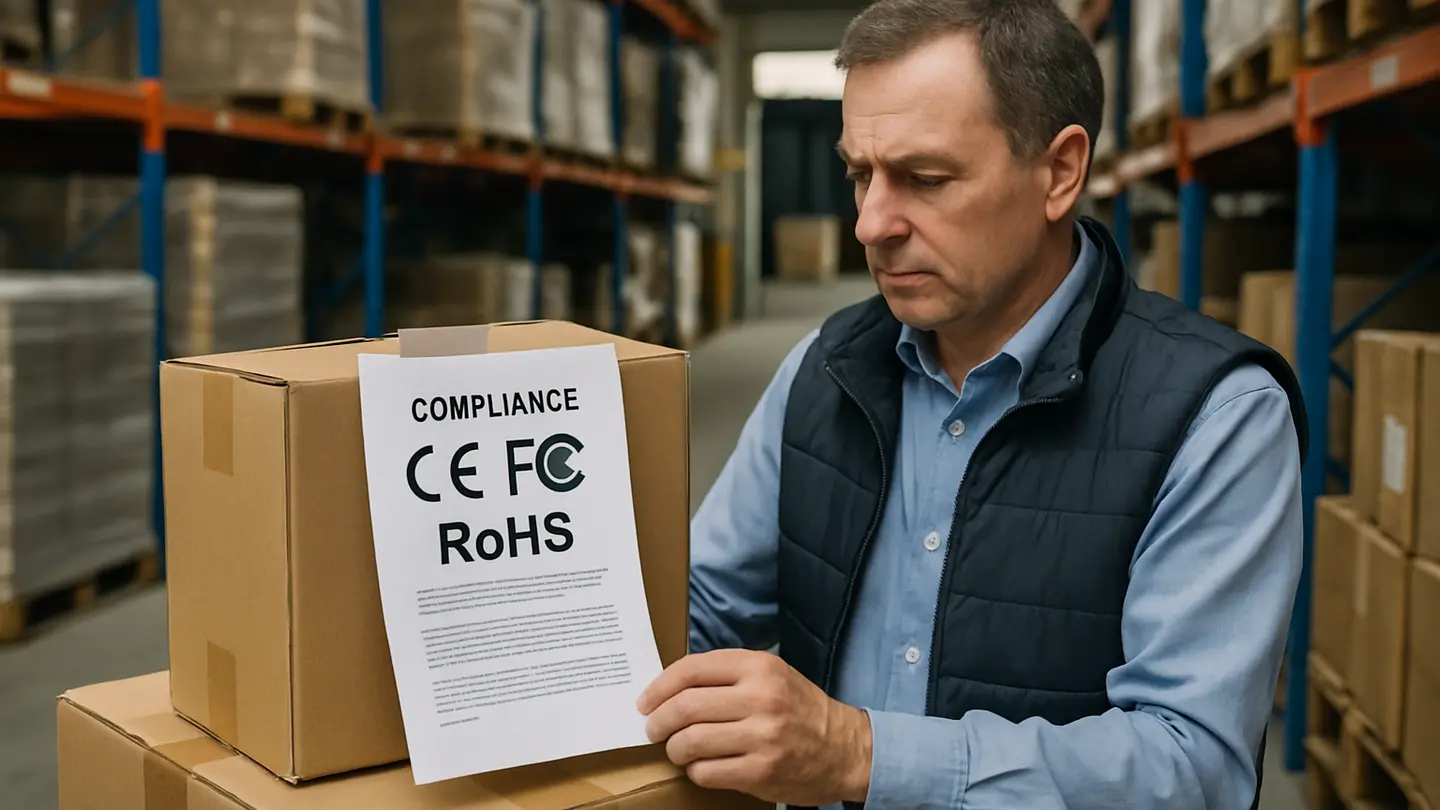
Supplier volatility, compliance requirements, cost pressure, and quality risks make informal purchasing unsuitable for shower-product manufacturing. A practical supplier management guide should connect supplier selection with factory verification, contracts, quality gates, performance reviews, resilience, sustainability, and exit planning. The objective is to build a supply base that consistently delivers approved shower products without unauthorized substitutions.
Why Supplier Management Is Essential for Shower Manufacturers
Shower products have functional, aesthetic, and safety-critical requirements. A shower mixer depends on precise machining, reliable seals, correct plating, and pressure performance, while a shower enclosure requires accurate dimensions, stable hardware, safe packaging, and consistent finishes. Minor changes can affect installation, durability, or safety.
Supply chains face pressures such as geopolitical shifts, environmental regulations, labor costs, and capacity constraints. A mature supplier management program provides visibility into total cost, capacity, dependencies, quality trends, and corrective actions. This transparency allows for strategic decisions that minimize risks and optimize performance, ensuring that shower manufacturers remain competitive in the fast-evolving market.
Managing suppliers effectively can transform challenges into opportunities by fostering innovation and efficiency. By working closely with suppliers to improve processes and adapt to changing demands, manufacturers not only safeguard against disruptions but also gain a competitive edge. Supplier management becomes a strategic lever for growth, enabling manufacturers to introduce new products faster and respond to customer needs with greater agility.
Assess Your Supplier Management Maturity
Supplier management maturity typically develops in four stages:
Ad hoc: Purchasing is price-led, with incomplete information and occasional audits. This stage often leads to a reactive approach, where issues are dealt with only when they arise. Companies may struggle with inconsistencies in quality and unexpected lead times.
At the ad hoc stage, the lack of structured processes can lead to miscommunication and fragmented efforts. Opportunities for optimizing costs through strategic selection or negotiation are missed, and businesses may face recurring issues that could have been prevented with systematic oversight.
Tactical: Basic contracts, audits, specifications, and inspection procedures are introduced. This stage marks a shift to a more structured approach, where standard operating procedures start to shape supplier interactions. However, the focus remains on immediate needs rather than long-term objectives.
While tactical maturity improves efficiency, it may lack the foresight needed for strategic alignment. Challenges include maintaining consistent supplier performance without long-term partnership planning, potentially leading to missed opportunities for sustained improvement.
Strategic: Suppliers are segmented by importance and risk, with scorecards and scheduled reviews. Here, the focus shifts to building strategic partnerships and aligning suppliers with corporate goals. Regular reviews and performance metrics ensure alignment with broader business objectives.
Strategic maturity leverages collaboration for innovation, fostering deep relationships with key suppliers. This alignment not only mitigates risk but also enables co-development efforts for product enhancements, giving manufacturers a unique market advantage.
Optimized: Digital monitoring and ESG integration support continuous decision-making. Real-time data and enhanced analytics allow for proactive management and adaptive strategies. Companies in this stage can foresee trends and pivot quickly, turning supplier management into a dynamic component of overall business strategy.
Optimized supplier management uses technology to stay ahead of potential issues, transforming data into actionable insights. This flexibility supports dynamic market conditions, allowing businesses to create robust contingency plans and seize new opportunities as they arise.
Consistency and documentation are more beneficial than advanced systems with incomplete data. Proper documentation ensures that processes are repeatable and scalable, forming a robust foundation for long-term success. The commitment to maintaining quality records involves everyone within the organization, ensuring that supplier relationships are transparent, reliable, and effective.
Set Up Your Supplier Management Control Room
Create a central record for each SKU and supply chain, including:
- Current BOM, drawings, packaging, cost, and suppliers
- Tooling records, defect history, and safety tests
- Named owners for negotiations, technical changes, inspections, and contracts
This control room acts as the nerve center of supplier management. By centralizing information, it becomes easier to coordinate actions, spot inconsistencies, and ensure all stakeholders are aligned. It also aids in maintaining compliance with regulatory requirements, as documented evidence is readily available for audits and inspections.
Define control requirements before sending an RFQ, including sampling, tests, and certification evidence. Use a China-specific NNN agreement for sensitive designs with Chinese suppliers. This ensures the protection of intellectual property and proprietary designs, safeguarding against unauthorized use or replication by competitors.
With a well-organized control room, transparency across the entire supply chain is enhanced, allowing for easier tracking of project progress, timelines, and potential bottlenecks. Information symmetry reduces the likelihood of errors and promotes accountability among different departments and external partners involved in the production process.
The 10-Step Supplier Management System for Shower Manufacturing
A useful system follows ten steps, covering products, components, packaging, and private-label requirements, with evidence at each stage. This structured approach ensures no aspect is overlooked and that suppliers are managed effectively from selection to performance evaluation.
Step 1: Segment Your Shower Supplier Portfolio
Segment by:
- Profit impact, supply risk, and tooling dependency
- Product-safety or regulatory exposure, and ESG exposure
Assign objectives like cost reduction or supply resilience. Map each supplier’s lifecycle and update segmentation annually or after major changes. This segmentation provides clarity on where to allocate resources and which suppliers need more attention, allowing for strategic focus and resource allocation.
Segmentation helps in aligning supplier capabilities with strategic business objectives and enhances decision-making by identifying potential risks and opportunities within the supply chain. Tailoring strategies for different categories of suppliers ensures that efforts are focused where they are most needed, maximizing the value derived from supplier relationships.
Step 2: Standardize RFQs and Build a Qualified Longlist
Create a qualified longlist and standardized RFQ. Include BOM, drawings, materials, testing, packaging, and payment terms. Ask screening questions about in-house processes, traceability, and subcontracting. Compare quotations considering total cost, not just the unit price.
A standardized RFQ template ensures that responses are uniform, making it easier to compare potential suppliers. Screening questions help identify suppliers that align with specific needs and values, ensuring a synergy that goes beyond price.
This standardization improves the efficiency and effectiveness of the selection process. By focusing on total cost and compatibility rather than just initial price, manufacturers can find partners who align with long-term goals, thereby turning supplier selection into a strategic advantage.
Step 3: Verify the Factory On Site
Verify the physical site, checking business licenses, workforce, machinery, and production flow. Review how the factory controls materials and approve tier-two suppliers. Classify suppliers as approved, conditionally approved, or rejected.
On-site verification is critical for understanding a supplier’s true capabilities. It provides insight into the operational reality and helps identify potential risks that might not be evident on paper.
The firsthand evaluation of infrastructure and operations builds stronger relationships based on trust and clarity. It allows companies to anticipate and mitigate potential disruptions, ensuring smooth production processes and quality adherence.
Step 4: Secure Contracts and Define Governance
Score finalists on capability, quality history, delivery performance, and more. Secure contracts that control BOM revisions and approved materials, using localized agreements. Define governance for failures and corrective actions.
Contracts are not just legal documents but strategic tools. They ensure that suppliers meet expectations continuously and that there is a clear process in place for addressing issues.
Effective governance frameworks enable quick responses to deviations from agreed standards, fostering a culture of continuous improvement. This structured approach creates a feedback loop that benefits both manufacturer and supplier.
Step 5: Run the Pilot Order Through Quality Gates
Conduct a pre-production meeting. Use multiple inspection points and define critical, major, and minor defects. Compare pilot production with the golden sample.
Quality gates are essential for verifying that production aligns with specified standards. By comparing with a “golden sample,” any deviations can be quickly identified and corrected before full-scale production commences.
Implementing quality gates reduces waste and inefficiencies, fostering a mindset of prevention rather than correction. This proactive approach to quality assurance can dramatically reduce defect rates and improve overall product satisfaction.
Step 6: Use Supplier Scorecards and Review Rhythms
Measure quality, delivery, cost, risk, and responsiveness. Use scorecards to affect allocation and orders. Implement monthly and quarterly reviews and update segmentation as needed.
Supplier scorecards provide a quantifiable way to measure and communicate performance. They encourage continuous improvement by offering suppliers a clear understanding of expectations and where they stand. Regular reviews ensure ongoing alignment with business objectives.
The insights derived from scorecards empower manufacturers to make informed decisions about future engagements, investment in supplier development, and risk management strategies, paving the way for sustained collaborative success.
Step 7: Strengthen Resilience and Supply-Chain Transparency
Map dependencies and assess risks. Consider dual sourcing and safety stock for critical risks. Assign contingency plan owners and document fallback procedures.
Supply-chain resilience is vital in a world where disruptions are becoming increasingly common. By understanding dependencies and having contingency plans in place, shower manufacturers can mitigate the risks of supply chain disruptions effectively.
Building robust supply-chain frameworks allows businesses to adapt to unexpected changes, minimizing downtime and maintaining customer satisfaction. It ensures that manufacturers are always a step ahead in an unpredictable market environment.
Step 8: Decide Whether to Develop, Correct, or Exit
Categorize suppliers into develop, correct, or exit pathways. Set thresholds for compliance failures and secure owned assets during exits.
This step focuses on managing long-term relationships. Developing high-potential suppliers strengthens the supply chain, while corrective actions ensure issues are resolved. Exiting from relationships with underperforming suppliers preserves overall quality and performance.
Proactive management of supplier pathways encourages a culture of excellence, motivating suppliers to strive for continuous improvement and alignment with strategic goals. It also safeguards the company’s reputation and quality standards.
Step 9: Add Digital Monitoring and Supplier Visibility
Consider digital tools like SRM platforms and IoT data. Integrate scorecards with automated data collection. Maintain digital records of production sites and authorized staff.
Digital monitoring enhances transparency and efficiency, turning supplier management into a data-driven process. This ensures timely interventions and supports informed decision-making.
Leveraging technology in supplier management transforms traditional relationships, fostering innovation through real-time insights and predictive analytics capacities. This technological integration sets the groundwork for achieving operational excellence and strategic agility.
Step 10: Build ESG and Sustainable Procurement Controls
Add ESG criteria and require evidence. Work with suppliers on sustainability initiatives, ensuring materials meet product requirements.
ESG integration reflects a company’s commitment to sustainable practices. Collaborating with suppliers on sustainability not only meets regulatory expectations but also strengthens brand reputation and opens new market opportunities.
Embedding sustainability into procurement processes drives ethical business practices and aligns suppliers with the organization’s values, paving the way for a more sustainable future and socially responsible market leadership.
Prevent Common Supplier-Control Failures
Common failures include mismatches with approved samples and unauthorized subcontracting. Approve golden samples and verify production addresses. Require material declarations and use field and lab tests for suspected substitutions.
By understanding common pitfalls and implementing proactive measures, manufacturers can prevent costly mistakes that affect quality and customer satisfaction.
Regular training and compliance assessments support a high level of supplier integrity, ensuring that all parties adhere to agreed standards and regulations.
FAQ
How do I verify a Chinese supplier is a factory and not a trading company?
Check the business license, production address, and operations. Use China’s National Enterprise Credit Information Publicity System and request a factory tour for verification.
Verification ensures that you are dealing with a capable supplier who can meet your specific manufacturing requirements. This step is crucial for building dependable partnerships.
What is the safest payment structure for a new Chinese supplier?
Consider partial deposits with final payment upon pre-shipment inspection. Review terms with legal and financial advisers.
This approach mitigates risks associated with upfront payments and ensures that products meet quality expectations before full payment is made.
Creating a payment schedule that aligns with project milestones enhances trust and clarifies expectations, fostering a cooperative engagement that anticipates potential issues proactively.
How do I stop a Chinese factory from stealing my intellectual property?
Use an NNN agreement and register trademarks. Protect access to sensitive information and use contracts to prohibit unauthorized actions.
Intellectual property protection is critical in maintaining competitive advantage. Proactive legal measures ensure that your designs and innovations are safe from exploitation.
By investing in intellectual property rights and protection measures, manufacturers not only safeguard their innovation but also enhance their market position, encouraging an environment conducive to creative development and value creation.
Put the Supplier Management Plan Into Action
Implement a supplier-management SOP with audits, scorecards, controls, and procedures.
In the first 30 days:
- Segment suppliers and create supplier records.
- Standardize RFQs and assign owners.
Within 90 days:
- Complete supplier audits and introduce scorecards.
Long-term actions include qualifying dual sources and developing sustainability projects.
By following this structured approach, shower manufacturers can create a resilient and efficient supply chain capable of adapting to market changes and ensuring quality output. This plan not only meets immediate operational needs but also positions the manufacturer for long-term success, enabling responsiveness to future challenges and opportunities.