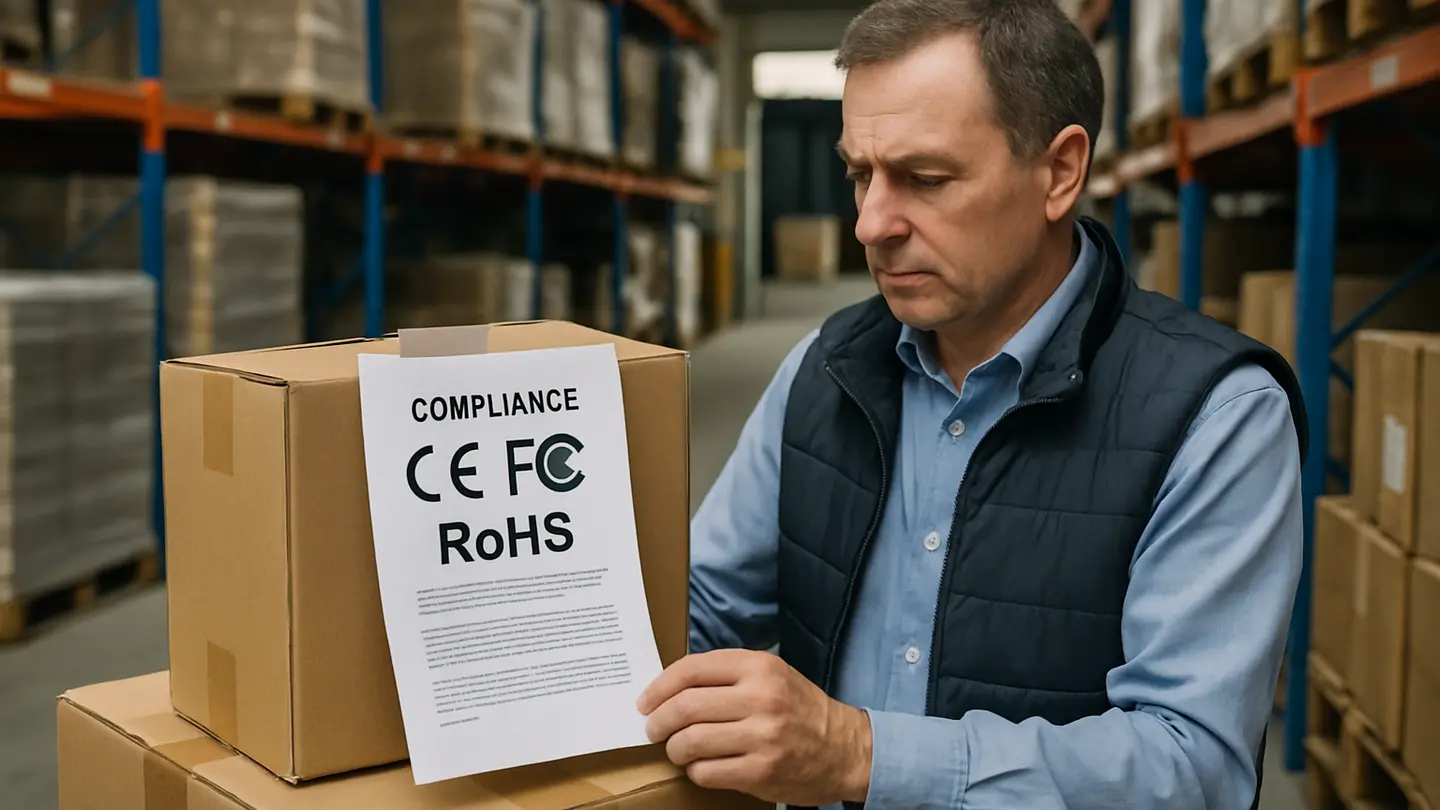
Textile Materials Sourcing is a control system linking design intent, supplier capability, fabric performance, compliance evidence, and landed cost. When buyers approve vague specifications or informal comments, small fabric errors can become cutting losses, rework, delays, claims, and margin erosion.
A disciplined workflow gives buyers a defensible trail from the first brief to bulk approval. It also makes supplier discussions precise: what was requested, what was approved, what changed, and who accepted the risk.
Pre-Sourcing Controls Before You Request Quotes
Before sending RFQs, buyers should lock the information suppliers need to quote accurately and produce consistently: product tech pack, bill of materials, target fiber blend, measurable fabric specifications, approved colors, finishing requirements, testing requirements, and required certification or compliance evidence.
Key limits should be measurable. Instead of asking for a “medium-weight cotton jersey,” specify construction, fiber content, GSM range, finished width, shrinkage tolerance, stretch and recovery, surface finish, color standard, and intended use. If brushing, peaching, mercerizing, anti-pilling, water repellency, enzyme washing, or another finish is required, define the expected result and approval method.
Commercial limits also need to be known before RFQs: target cost, volume, MOQ constraints, delivery destination, shipment window, preferred Incoterms, packaging assumptions, testing responsibility, and payment expectations.
Approval controls matter as much as the brief. Retained swatches, shade cards, lab dips, strike-offs, sample logs, and light-box evaluations create a record of what was approved. Samples should be dated, labeled, and stored so bulk fabric can be compared against a stable reference.
Cross-functional signoff reduces avoidable mistakes. Sourcing should confirm supplier and price assumptions. QA should approve measurable requirements and inspection methods. Product development should confirm hand feel, drape, appearance, and use-case suitability. Finance and logistics should confirm cost limits, lead time, documents, and delivery feasibility.
Building a Textile Sourcing Process That Protects Margins
A strong sourcing process connects supplier selection, quality assurance, compliance control, and margin protection. A low fabric price is not useful if the mill cannot maintain shade stability, provide valid documents, or ship in time for cutting.
The practical workflow has five stages:
- Write a master fabric sourcing brief.
- Audit suppliers and build a shortlist.
- Approve physical samples before bulk production.
- Control commercial terms and total landed cost.
- Manage bulk execution and supplier performance.
Each stage should create evidence, such as a signed brief, supplier scorecard, retained swatch, lab report, cost model, corrective action record, or post-order review. Over time, these records help buyers identify reliable suppliers and avoid repeated failures.
Step 1: Write a Master Fabric Sourcing Brief
The master sourcing brief is the buyer’s central control document. It should describe what the fabric is and how it must behave in production and use.
Start with the intended application. A lining, shirting, activewear knit, outerwear shell, denim, upholstery textile, or children’s sleepwear fabric will have different performance priorities. Define hand feel, drape, surface hair, stiffness, opacity, luster, face-back difference, texture, and whether the fabric must match an existing standard.
For stretch fabrics, specify stretch direction, elongation, recovery, and tolerance after wash or wear simulation where relevant. For brushed or raised fabrics, define face side, pile effect, shedding tolerance, and laundering appearance. For printed fabrics, include artwork files, repeat size, color references, print method, registration requirements, and crocking expectations.
The technical section should include:
- Fiber content and blend ratio.
- Yarn count or yarn type where required.
- Weave or knit construction.
- Target GSM and tolerance.
- Finished usable width.
- Finish and process route.
- Shrinkage tolerance after washing.
- Spirality tolerance for knits where relevant.
- Color standard, lab dip requirement, or print approval route.
- Required physical and chemical tests.
- Required certifications, declarations, and traceability documents.
The commercial and logistics section should define target price, estimated volume, order quantity by color, MOQ limits, sampling deadline, bulk lead time, delivery destination, packaging requirements, garment factory schedule, and shipment deadline.
Supplier type should match the order profile. A direct mill may offer stronger control and better economics at scale but may require higher MOQs. A converter can help with dyeing, printing, or finishing flexibility. A trader can provide access to multiple mills or stock fabrics, though transparency may be weaker. A sourcing agent or managed partner can support local follow-up, supplier screening, and multi-supplier coordination.
Before quoting or sampling, suppliers should confirm the brief line by line. Any uncertainty should be written down, including unavailable yarn, risky finish, likely shrinkage issue, MOQ exception, color limitation, certification gap, or capacity constraint.
Step 2: Audit Suppliers and Build a Shortlist
Supplier selection should go beyond price comparison. Buyers need to know who controls the material and where risk sits in the chain.
Mills generally control weaving or knitting and may also control dyeing and finishing if vertically integrated. Converters usually buy greige goods and manage dyeing, printing, and finishing, so controls over base fabric and processing partners matter. Traders may offer broad selection and faster options, but buyers should confirm which mill is producing the fabric and who is responsible for claims. Sourcing agents can support communication, inspection coordination, and escalation, but their accountability must be defined contractually.
Regional diversification also protects margin. Relying on one country, province, or mill cluster can expose the buyer to port congestion, shutdowns, transport delays, or policy changes. Buyers do not need to fragment every program, but they should know which fabrics have viable backup sources.
A supplier scorecard should include:
- Responsiveness and clarity.
- Product-category experience.
- Ability to meet construction, finishing, and color requirements.
- MOQ flexibility and price consistency.
- Sampling speed and accuracy.
- Testing access.
- Restricted-substance management.
- Traceability and documentation systems.
- Corrective action process.
- On-time delivery history.
- Written commitments.
Audits should check dyeing and finishing capability, process controls, lot identification, lab procedures, calibration, chemical storage, restricted-substance controls, traceability records, and corrective action systems. If dyeing or finishing is outsourced, the buyer should know which facility performs the work.
Sustainability and compliance claims should be treated as claims until verified. Certificate numbers should be checked against official databases where available. For certified fiber or recycled-content programs, request transaction-specific evidence, not only a general facility certificate.
Step 3: Approve Physical Samples Before Bulk Production
Physical sample approval should be a mandatory gate before bulk fabric production. Digital photos, supplier descriptions, and informal comments are not enough to protect the buyer if bulk fabric later fails.
When samples arrive, they should be assigned lot IDs, logged, and stored with retained control swatches. The record should state supplier name, fabric reference, construction, color, finish, date received, test status, approval status, and approving personnel. Revised samples should remain traceable to earlier versions.
GSM should be checked at multiple points using calibrated equipment and appropriate sample-cutting methods. Finished width should also be measured, including usable width if selvedge or edge distortion affects cutting.
The physical comparison should cover hand feel, rebound, stretch, drape, stiffness, opacity, surface hair, luster, print clarity, coating uniformity, and face-back appearance. These qualities often cause disputes because they are partly subjective. A retained standard helps turn judgment into a controlled comparison.
Testing should be completed before buyer approval where required. Common checks include wash shrinkage, dimensional stability, spirality, pilling, tensile or tear strength, abrasion, seam slippage, and colorfastness to washing, rubbing, perspiration, light, chlorine, or seawater where relevant. For color-critical materials, lab dips or strike-offs should be approved before bulk dyeing or printing.
If the sample passes appearance but fails shrinkage, colorfastness, or performance testing, it should not be released for bulk production without written risk acceptance. Correcting fabric before production is usually far cheaper than sorting, recutting, or remaking garments.
Step 4: Control Commercial Terms and Total Landed Cost
Buyers should evaluate Textile Materials Sourcing by total landed cost, not fabric unit price alone. The lowest quoted yard or meter price can become expensive after freight, duties, testing, packaging, brokerage, currency movement, financing cost, and inventory buffers.
A complete cost model should include:
- Fabric price by quantity tier and color.
- Sampling and lab-dip charges.
- Testing fees.
- Packaging and roll handling.
- Inland freight at origin.
- International freight.
- Insurance where applicable.
- Duties, taxes, and brokerage.
- Currency exposure.
- Payment fees or financing cost.
- Inspection cost.
- Buffer stock or safety inventory.
- Expected loss from shrinkage, defects, or unusable width.
Negotiation should cover more than price. Buyers should define MOQ rules, price breaks, sample credits, bulk lead time, payment terms, claims process, tolerance for shortages or overages, documentation deadlines, and remedies for non-conforming goods. Remedies may include remake, replacement, discount, air-freight contribution, sorting support, or cancellation rights.
Fabric delivery must align with garment factory bookings, cutting plans, trim delivery, production lines, and finished-goods shipment dates. Buyers should build backward timelines from the final shipment date, including lab testing, approval time, bulk production, inspection, transit, customs clearance, and factory receiving.
Risk controls should be written into the program: dual sourcing for critical fabrics, backup mills for carryover programs, retained bulk samples, escalation contacts, pre-agreed inspection points, and written supplier commitments before deposits or production release.
Step 5: Manage Bulk Execution and Supplier Performance
Bulk production and cutting should not proceed until pre-cut inspection, lot identity, and segregation controls are confirmed. The buyer or appointed inspector should verify that delivered fabric matches the approved standard, specification, and purchase order.
Roll-by-roll monitoring is important because variation may appear within the same shipment. Checks should include roll length, width, GSM, shade, defects, skew, bowing, odor, finish consistency, and packaging condition. Shade lots should be clearly identified and kept separate. Cutting mixed shade lots without control can produce garments with mismatched panels, sleeves, collars, waistbands, or components.
Trim compatibility should also be reviewed. Fabric shade, stretch, shrinkage, and performance must work with rib, lining, pocketing, tapes, zippers, labels, interlinings, and prints. A fabric that passes alone may still cause production problems if trims shrink differently or react poorly during washing or finishing.
Supplier milestones should be tracked from yarn or greige booking through dyeing, finishing, testing, inspection, packing, and shipment. Buyers should not wait until shipment date to discover a delay or failed test.
After each order, supplier performance should be reviewed. The scorecard should cover on-time delivery, defect rate, shade consistency, documentation quality, claims handling, responsiveness, corrective action closure, and cost stability. Future purchase orders and preferred-supplier status should be tied to this record.
Troubleshooting Frequent Textile Sourcing Failures
Recurring sourcing failures should be handled through a corrective framework, not scattered email threads. Buyers should centralize dispute records, test data, photos, approval notes, supplier confirmations, inspection reports, and commercial agreements.
Many disputes begin with informal approvals: verbal acceptance of a lab dip, photo-based approval of hand feel, a missing test report, or production release before pre-bulk controls are complete. Troubleshooting should identify whether the failure came from the brief, supplier interpretation, sample approval, production control, shipment handling, or documentation.
When Bulk Fabric Arrives in the Wrong Shade
Off-shade bulk fabric may result from mixed dye batches, poor shade-lot control, unstable dyeing conditions, inaccurate lab dip translation, or inadequate final inspection. The first action is quarantine. Affected rolls should not be cut until the buyer understands the scope.
Bulk rolls should be compared with retained swatches, approved lab dips, or signed sample cards under controlled lighting. Inspectors should check whether the problem affects all rolls or only specific shade bands.
If fabric can be segregated by lot and used safely within controlled cutting plans, the buyer may accept a limited remedy. If the shade difference creates visible garment mismatch, cutting should remain on hold until buyer and supplier agree in writing on replacement, discount, sorting, remake, or another remedy.
When GSM Falls After Washing
GSM loss after washing can indicate problems in construction, sizing, compaction, finishing, or process stability. A fabric may meet GSM before washing but fail after laundering if the finish washes out, the structure relaxes, or the yarn and construction were not suitable.
The buyer should check post-wash behavior against the approved standard and specification, including GSM, shrinkage, hand feel, distortion, spirality, surface appearance, opacity, and recovery. Testing should be repeated where needed using agreed methods.
Before negotiating remedies, isolate the source of failure. Yarn or construction problems may require a remake. Finishing problems may allow limited reprocessing, though this can create shade or hand-feel risk. Outcomes may include rejection, replacement, remake, price adjustment, or use in a downgraded program if the buyer accepts the risk.
When Supplier Documentation Does Not Verify
Compliance documents should be verified before purchase order release, shipment approval, or final payment where documentation is a condition of the order. Certificate numbers and claims should be checked against official databases where available. Confirm that the certificate covers the correct facility, material scope, date range, and process.
A general certificate is not always enough. For organic, recycled, or other chain-of-custody claims, transaction-specific documents may be required to link the shipment to the certified material. If documentation is missing, expired, inconsistent, or outside scope, the buyer should pause the relevant approval step.
Backup suppliers reduce disruption when documentation fails. Escalation contacts and evidence requirements should be defined before urgent problems occur, including who can approve exceptions and what risk level is unacceptable.
When the MOQ Is Too High for the Program
High MOQs can make direct mill sourcing impractical for small programs, seasonal tests, or multi-color assortments. Buyers may reduce risk by using stock fabric sources, existing greige availability, standard color cards, or carryover qualities that can be reordered.
Managed sourcing partners may help when mill-direct economics do not fit the order size. They may consolidate requirements, identify stock, or coordinate smaller production lots through existing supplier relationships. Buyers should still verify quality, compliance, and accountability.
For small orders, color control remains important. Physical shade-band approval before shipment helps prevent disputes when the buyer has limited leverage after delivery. Written approvals should be required before color signoff, shipment release, or any substitution of fabric, finish, width, or supplier.
FAQ
What MOQs should buyers expect when sourcing directly from mills? Direct mills often require thousands of yards or meters per color, especially for custom dyeing, printing, or finishing. MOQs may be negotiable when greige fabric is available, colors are standard, the buyer accepts existing stock, or the supplier sees long-term volume potential.
How can buyers verify sustainability and compliance claims? Buyers should request certificate numbers, facility names, scope details, validity dates, and transaction-specific documents where relevant. Claims should be checked against official certificate databases when available. Supplier statements alone are not enough for higher-risk compliance categories.
Why do organic textile shipments need transaction-specific documentation? A general organic certificate may show that a facility is certified, but it does not prove that a specific shipment contains certified organic material. Transaction documents help connect the purchased goods to the certified supply chain.
What can lab testing reveal before bulk approval? Lab testing can identify restricted substances, chemical residues, colorfastness problems, shrinkage risk, spirality, pilling, strength issues, performance failures, and other defects that may not be visible during visual sample review.
Why are unapproved finishing changes risky? Finishing changes can alter drape, shrinkage, hand feel, surface appearance, GSM, stretch recovery, color, and bulk consistency. Any finishing change should be sampled, tested, documented, and approved before production continues.
Conclusion: Turn Fabric Sourcing Into a Repeatable Control System
Textile Materials Sourcing should become an internal operating template, not a one-off buying exercise. Strong buyer teams standardize briefs, supplier audits, sample approvals, test records, commercial controls, and post-order scorecards.
A repeatable system makes supplier management more objective. Buyers can see which suppliers meet specifications, maintain shade stability, provide reliable documents, close corrective actions, and deliver on time. They can also identify programs needing dual sourcing, tighter pre-bulk inspection, or stronger compliance review.
Retained swatches, lab dips, test data, approval records, supplier confirmations, inspection reports, and scorecards should remain accessible for future orders. When claims arise, buyers are stronger if they can show documented approvals, traceable communication, and clear purchase terms.
The goal is not to make sourcing slower. The goal is to prevent avoidable cost, quality failure, compliance exposure, and production disruption before fabric reaches the cutting table.