For B2B buyers importing from China, product inspection is one of the last practical chances to find shortages, workmanship defects, packaging mistakes, labeling errors, and visible nonconformities before goods leave the factory. Choosing the wrong inspection partner can be nearly as risky as skipping inspection.
China’s third-party inspection market includes large international testing and certification groups, China-based inspection firms, and inspection teams linked to sourcing agents or procurement providers. Each can be useful, but none is automatically best. A famous brand may not assign the right inspector for your product. A smaller local firm may be responsive and capable, or it may lack consistent reporting and accreditation. A sourcing-agent team may know the order well, but it is not always independent.
Buyers should compare providers by independence, accreditation, inspector competence, reporting quality, geographic coverage, conflict-of-interest controls, and fit with the product and order value. The goal is a reliable report that supports a clear shipping decision.
What “Third-Party” Should Mean in Practice
“Third-party” is often used loosely in China sourcing. Buyers should separate independence, buyer control, and contractual leverage.
Independence means the inspector should not benefit from approving the factory, passing the shipment, or helping the supplier ship the order. Ideally, the inspection company is appointed and paid by the buyer under clear instructions. If the inspector has a commercial relationship with the factory, receives recurring work from the supplier, or is managed by a sourcing party that earns commission when goods ship, the report may still be useful—but it is not fully independent.
Buyer control means the buyer decides the inspection standard, sampling method, defect classification, specifications, and acceptance criteria. If the supplier arranges the inspection and sends only a summary, the buyer may not know what was actually checked.
Contractual leverage is separate. An inspection report has more value when the purchase agreement states what happens after failure: rework, replacement, discount, reinspection, delayed shipment, or cancellation. Without these terms, even a strong report may only start a negotiation.
Accreditation also needs careful checking. Many buyers ask whether an inspection provider is accredited to ISO/IEC 17020, the international standard for inspection bodies. The certificate alone is not enough. Buyers should verify:
- who issued the accreditation;
- whether the certificate is still valid;
- whether the scope covers the relevant inspection activity;
- whether the product category is included or reasonably related;
- whether the office performing the work is covered.
Sourcing-agent inspections can be valuable when the agent knows the supplier, packaging requirements, order history, and previous defects. The limitation is that the agent is part of the sourcing relationship. If a dispute later involves a customer, retailer, insurer, or internal compliance team, an outside inspection company’s report may carry more weight.
Main Types of Inspection Providers in China
Inspection providers in China generally fall into three groups.
| Provider type | Typical strengths | Common limitations | Best fit |
|---|---|---|---|
| Global testing and inspection groups | Recognized names, broad networks, laboratory testing, retailer familiarity | Higher cost, standardized process, less flexibility for small orders | Regulated products, retailer programs, compliance-sensitive categories |
| China-based inspection firms | Local responsiveness, competitive pricing, practical factory access | Variable accreditation, inspector quality, and report consistency | General consumer goods, SME importers, routine pre-shipment inspections |
| Sourcing-agent inspection teams | Close knowledge of order details, supplier background, and production issues | Not fully independent; possible commercial conflict | Ongoing sourcing programs where the buyer values coordination and speed |
Global testing groups often combine laboratory testing, certification support, supplier audits, and inspection networks. Some are widely recognized by international retailers and large importers. For buyers supplying major retail chains, using a nominated or familiar inspection body may simplify report acceptance.
Still, size does not guarantee product expertise. A shower enclosure, faucet set, drain fitting, electronic accessory, textile item, or metal component may each require different inspection judgment. Buyers should ask who will attend, what checklist will be used, and whether the inspector has handled similar products.
China-based inspection firms vary widely. Some have mature quality systems, trained inspectors, clear English reports, and internal review. Others are mainly booking offices using freelance inspectors. Sample reports, accreditation documents, client references, and a trial inspection reveal more than a website.
Sourcing-agent teams are often closest to the order. They may know the exact packaging artwork, sample comments, negotiated tolerances, and supplier tendencies. This helps routine checks, but independence is weaker if the same party earns income from supplier management, purchasing, or shipment coordination.
Provider category alone does not determine price, speed, or competence. The practical question is: which provider can send the right person, under the right standard, at the right time, with a report you can rely on?
Checks to Make Before Booking an Inspection
Before comparing prices, confirm whether the provider is qualified for the work. A low fee is not useful if the report will not be accepted by your customer, retailer, or compliance department.
Start with accreditation scope. Ask for the current certificate and scope document, not just a logo. For ordinary consumer-goods quality, accreditation may not always be mandatory, but it is a useful indicator of management systems. For regulated products, accreditation and official recognition become more important.
Next, confirm who will attend. The person in the factory matters more than the salesperson quoting the job. Ask whether the inspector is an employee or subcontractor, where they are based, and whether they have inspected similar products. For technical items, confirm whether they can read drawings, use measuring tools, and perform functional checks.
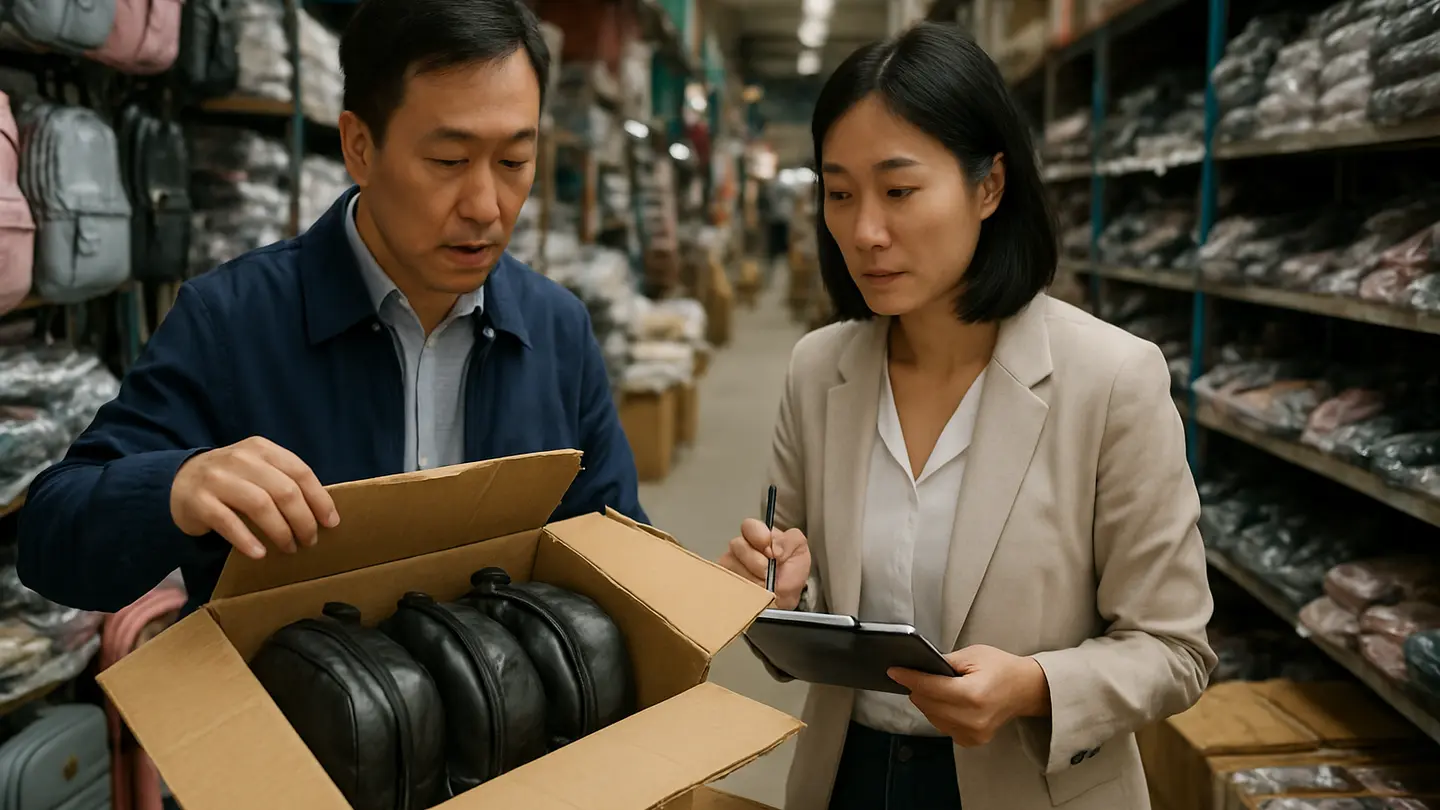
Request a sample report. A good report should include clear photos, measured results, defect descriptions, sampling information, quantity verification, packaging observations, and a written pass/fail conclusion tied to defined standards. Vague comments such as “quality is okay” are not enough.
Clarify pricing in advance, including:
- travel fees for the factory location;
- overtime or waiting-time charges;
- reinspection pricing;
- cancellation charges;
- fees when goods are not ready;
- charges for multiple SKUs or complex product mixes;
- report revision or special checklist fees.
Booking lead time also matters. Many inspections are arranged shortly before shipment, but the provider still needs availability in the correct region. For seasonal, urgent, or remote orders, book earlier and confirm readiness with the supplier.
Ask about report turnaround. Some providers issue same-day summaries and full reports later; others provide complete reports within one working day. Make sure the timeline supports your shipping decision.
Finally, ask about conflict-of-interest controls. A reliable provider should confirm it has no commercial relationship with the factory related to the order. For high-risk shipments, buyers may instruct the inspector not to accept transport, meals, gifts, or “assistance” from the supplier beyond normal factory access.
How to Know Which Inspection Report Is Required
Most B2B buyers arranging standard consumer-goods inspections choose the report themselves. If the goal is to confirm quantity, workmanship, dimensions, packaging, labeling, and loading condition, a conventional pre-shipment inspection or during-production inspection is usually sufficient.
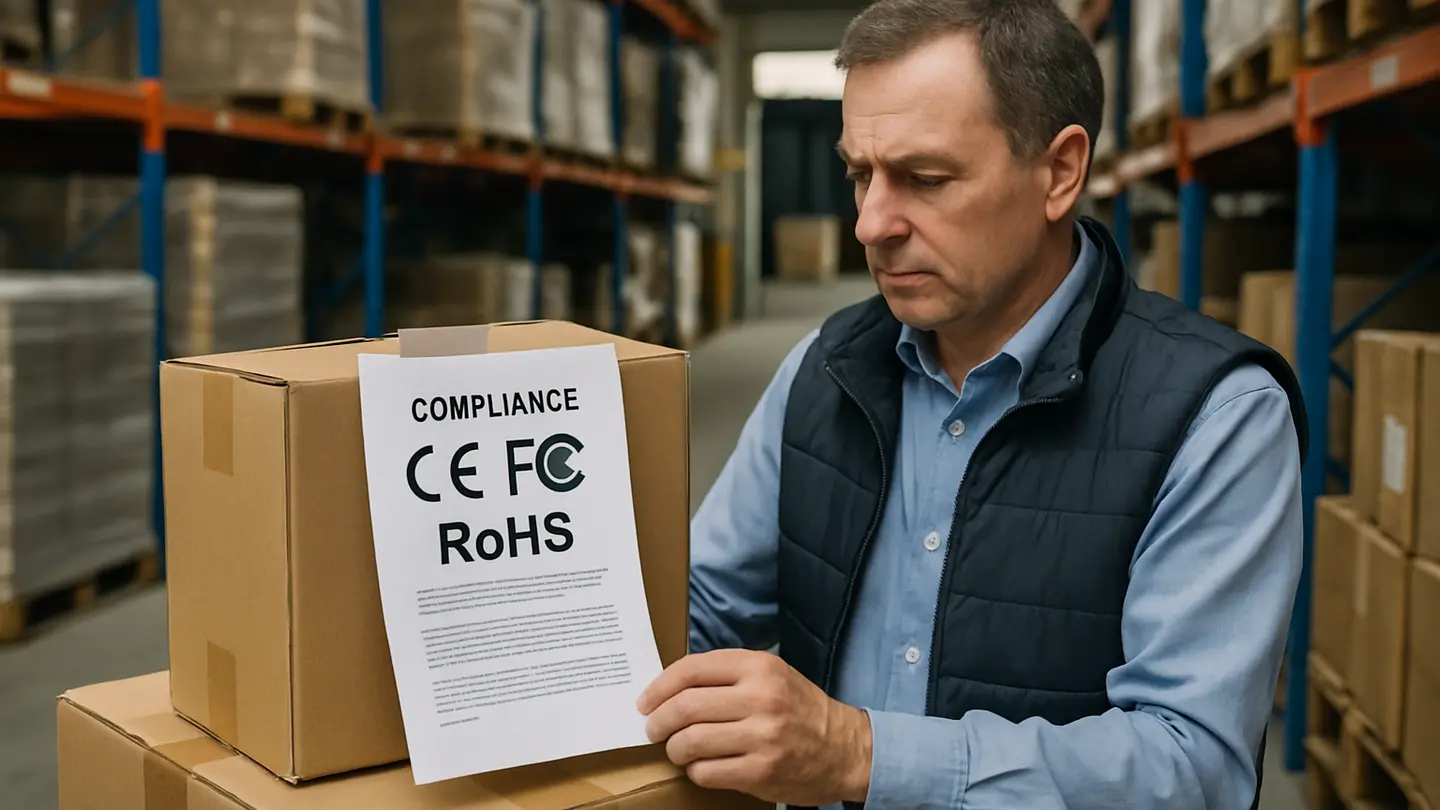
However, the buyer does not always get to decide. Regulated products may require reports from approved or recognized bodies. Electrical goods, pressure-related products, toys, food-contact items, medical products, construction materials, and certain chemical or environmental compliance categories may require testing, certification, or declarations under specific legal frameworks.
Major retailers may also nominate inspection companies or require reports in a specific format. Using a different provider—even a reputable one—may not satisfy the retailer’s vendor manual. Buyers should check customer requirements before booking.
Customs acceptance is another risk area. Whether a report is accepted depends on the product category, destination market, import procedure, and required documentation. A recognized inspection brand does not automatically mean the document will be accepted for customs, certification, or regulatory clearance.
Identify the purpose of the report before selecting the provider:
- If the report is for your own shipping decision, focus on inspector competence, checklist quality, and speed.
- If the report is for a retailer, follow the retailer’s nominated process.
- If the report is for regulatory compliance, confirm the required testing or certification route.
- If the report may be used in a dispute, choose an independent inspection company with clear documentation and defensible methods.
Do not treat all reports as interchangeable. A factory audit, product inspection, lab test report, container loading report, and compliance certificate serve different purposes.
What an On-Site Inspection Can and Cannot Prove
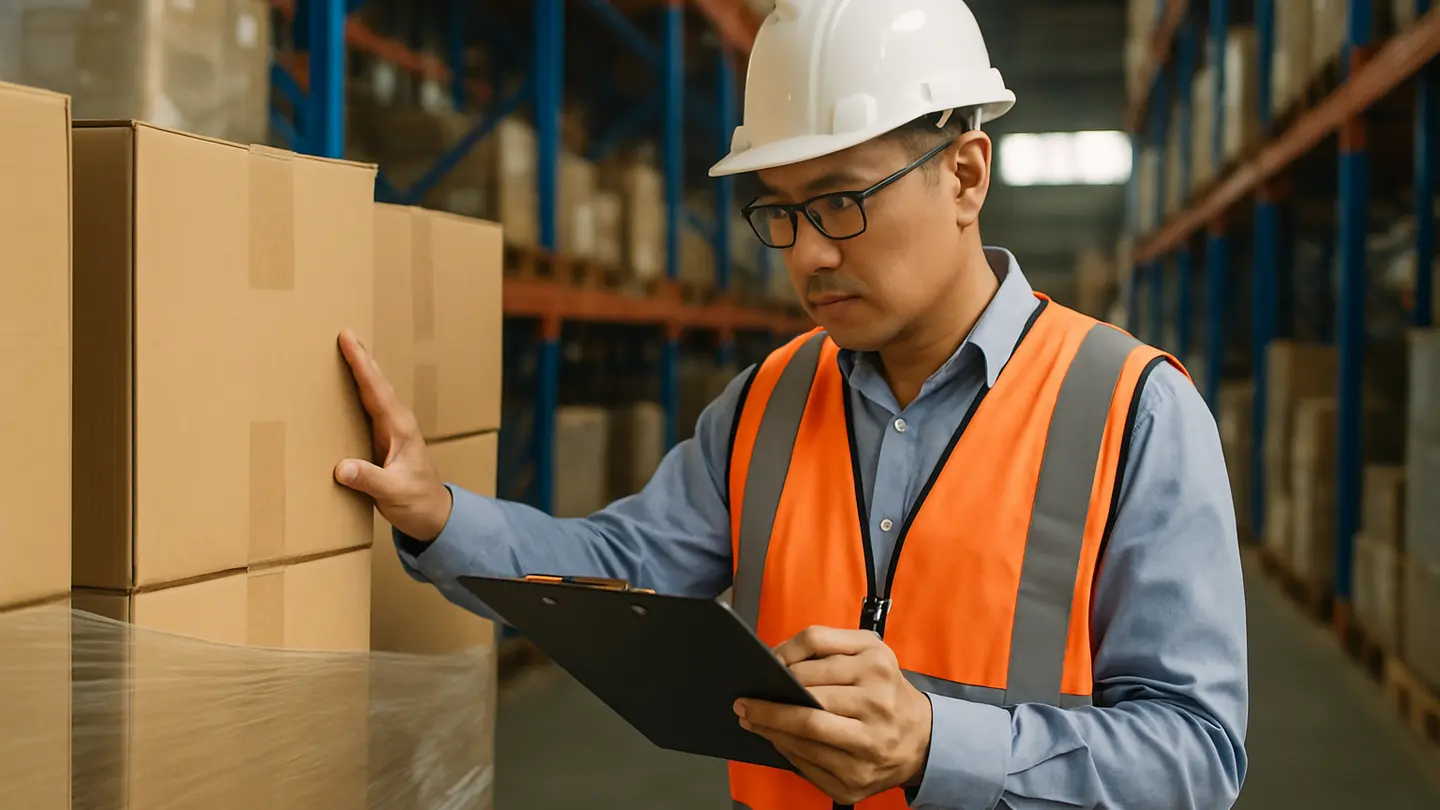
An on-site product inspection is useful, but limited. It is mainly a visual and measurement-based assessment of goods at a specific production stage.
A routine inspection can usually check:
- order quantity and carton count;
- product appearance and workmanship;
- dimensions and weight;
- assembly and basic function;
- color, finish, and surface defects;
- packaging method and carton condition;
- labels, barcodes, warnings, and markings;
- accessories, manuals, and inserts;
- shipping marks and palletization;
- basic drop tests or simple on-site checks where appropriate.
For example, in a bathroom product order, an inspector may verify surface finish, dimensions, accessory count, packaging protection, logo placement, carton labeling, and visible defects such as scratches, dents, coating issues, or missing parts. If the checklist includes functional checks, the inspector may perform simple assembly or water-flow observations where facilities allow.
Routine inspections do not provide formal safety or material compliance verdicts. An inspector cannot confirm by sight that a product meets all chemical restrictions, electrical safety standards, mechanical endurance requirements, or food-contact regulations. They also cannot guarantee that uninspected units are defect-free. Inspections are normally based on sampling plans, often using AQL or another agreed method.
Regulatory and retailer compliance claims usually require laboratory testing, certification review, or document verification. If the buyer needs to prove material composition, coating performance, water efficiency, electrical safety, restricted substances compliance, or durability, inspection should be combined with testing from an appropriate laboratory.
Timing matters. A final pre-shipment inspection happens late. If problems are found after production is complete and cartons are packed, corrective action may be expensive or slow. During-production inspections can identify recurring defects earlier, while the factory can still adjust processes, replace components, or retrain workers.
Supplier quality audits serve another purpose. They assess systems, equipment, controls, records, incoming material management, production capacity, calibration, internal inspection, and corrective-action processes. A product inspection tells you whether a sampled shipment appears acceptable. A supplier audit helps you judge whether the factory can produce consistently over time.
For important sourcing programs, buyers often combine tools: supplier audit before order placement, during-production inspection for new or risky products, final inspection before shipment, and laboratory testing where compliance must be proven.
FAQ
Q1: Where does the inspection happen when my supplier is a trading company?
The inspection should happen where the goods are available and accessible. If the trading company has finished goods packed in its warehouse, an inspector may verify quantity, workmanship, packing, carton marks, and labeling there.
A warehouse inspection has limits. It may not reveal actual factory conditions, production processes, material controls, or in-line quality checks. If the buyer needs to assess manufacturing capability, raw materials, production lines, equipment, or process control, the inspector needs factory access.
For trading-company orders, ask early where the goods will be produced, where they will be packed, and where inspection can take place. The purchase order should give the buyer or appointed inspection company the right to inspect at the relevant location.
Q2: Can one visit cover several products in the same order?
Yes, one visit can often cover several products from the same factory if they are ready at the same time and located in the same inspection area. However, the sampling plan determines whether products are grouped together or checked separately.
If the order includes many SKUs, materials, functions, or packaging configurations, the inspection may take longer. The provider may quote extra man-days or limit the number of items checked in one visit. Provide the packing list, product list, specifications, and photos before quotation.
Grouping very different products into one sample may reduce reliability. For higher-risk items, separate sampling by SKU or product family is often better.
Q3: Do inspection companies cover every province?
Large inspection networks may cover most major manufacturing regions in China, especially coastal and industrial provinces. Smaller firms may also cover broad areas but may charge travel fees when the factory is far from their nearest inspector.
Do not judge coverage only by whether a company says it can “serve all China.” Ask where the nearest qualified inspector is based, how long travel will take, and whether travel costs are included. The nearest inspector is not always the best inspector if the product requires specific expertise.
For remote factories, confirm total cost and schedule before fixing the shipment date. A cheap inspection fee can become expensive if travel, accommodation, or waiting time is added later.
Q4: How much notice does the factory get before the visit?
Inspection dates are usually fixed after goods reach the agreed readiness stage. For a final inspection, that often means production is complete and most or all goods are packed. For a during-production inspection, it may mean a defined percentage has been completed.
Factories need enough notice to prepare the goods, packing list, purchase order, approved samples, testing equipment, and paperwork. However, bookings should be tied to production readiness rather than only the calendar. If the buyer books Friday but the goods are only 60% packed, the inspector may not complete the agreed checks.
If goods are not ready when the inspector arrives, the buyer may still face trip, waiting, cancellation, or reinspection charges. Require the supplier to confirm readiness in writing before the visit and ask for production photos or packing status when timing is tight.
Another Way to Build a China Supplier Shortlist
Inspection works best after buyers have narrowed the supplier pool. At the early sourcing stage, a B2B platform can help buyers identify candidates, compare initial quotations, and decide which suppliers deserve deeper due diligence.
Made-in-China.com is one option for early supplier discovery. Its Audited Supplier feature indicates suppliers that are subject to third-party verification and on-site audit, with Audit Reports available for buyer review. These reports can include structured information such as general company details, export trade, manufacturing capacity, quality control, and R&D capability. For buyers comparing unfamiliar suppliers, that can support first screening before samples, factory audits, or product inspections are arranged.
Made-in-China.com also offers Easy Sourcing, where buyers can submit one sourcing request, receive multiple quotations from matched suppliers, compare quotes, and request samples. This does not replace independent inspection or compliance testing, but it can reduce manual supplier outreach and help buyers create a more focused shortlist.