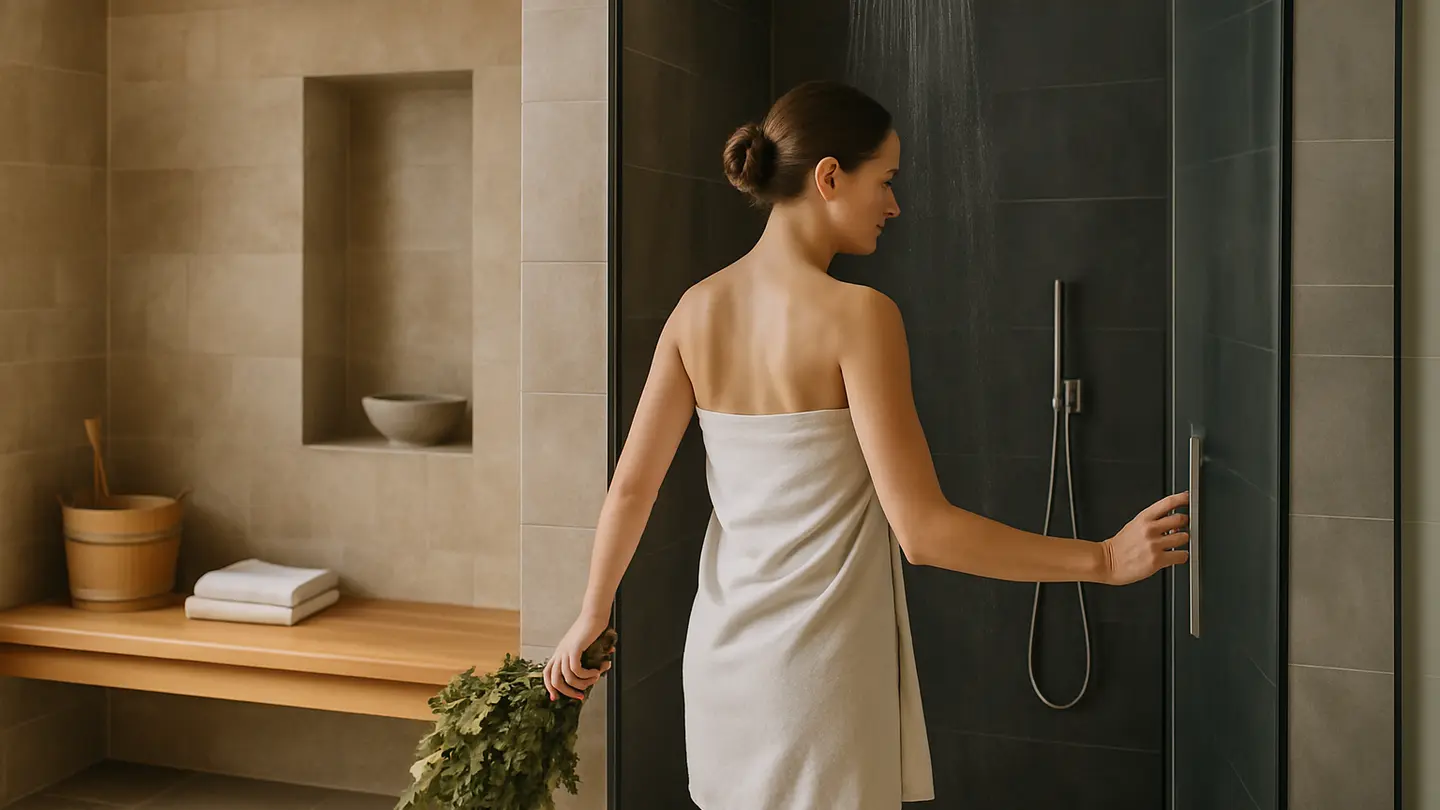
Bathing is often discussed as a matter of hygiene, but across cultures it has long served a broader role: recovery, social connection, self-care, hospitality, purification, and ritual. For B2B bathroom and shower professionals, studying unique bathing customs around the world is not simply an exercise in cultural curiosity. It offers practical insight into how end users define comfort, privacy, cleansing, relaxation, and wellness.
In many traditions, bathing is physically restorative and spiritually meaningful. Heat may be used to encourage sweating and release tension. Mineral water may be valued for its sensory and therapeutic qualities. Communal bathhouses may function as social infrastructure. Even the sequence of bathing—washing first, soaking later, cooling down after heat—can shape expectations for how a well-designed bathroom should perform.
For shower manufacturers, project specifiers, hospitality developers, wellness operators, and distributors, these traditions provide useful design context. They can inform product development around thermostatic control, steam management, hand showers, seating, drainage, materials, water efficiency, and sensory features. The goal is not to copy rituals superficially, but to understand the human needs behind them and translate those needs into durable, safe, and commercially viable bathroom solutions.
Heat, Steam, and Sweat-Based Bathing Traditions
Sweat-based bathing traditions appear in many regions, often combining heat, steam, cleansing, social bonding, and ritual. These customs show how powerful temperature, humidity, scent, and recovery cycles can be in shaping a wellness experience.
The Russian banya is one of the best-known examples. A traditional banya uses heated stones to create steam, often intensified by throwing water onto the stones. Bathers may use bundles of birch twigs, commonly called venik, to gently strike or massage the body. This practice is associated with stimulation, circulation, and exfoliation. The hot phase is frequently followed by a cold-water plunge, snow rub, or outdoor cooling period before the cycle is repeated.
For shower and bathroom design, the banya highlights several important product considerations:
- reliable heat and steam tolerance;
- slip-resistant flooring;
- robust drainage after repeated water exposure;
- cold-water access for contrast bathing;
- seating or resting areas between heat cycles;
- materials that can withstand high humidity.
Finnish sauna culture offers another influential model. In Finland, sauna is deeply embedded in domestic, family, social, and even political life. It is not only a luxury amenity; it is a familiar and recurring practice. The sequence may include dry heat, steam created by pouring water over hot stones, quiet conversation, cooling down, and washing.
From a B2B perspective, Finnish sauna culture reinforces the value of designing spaces for rhythm rather than a single use event. A wellness-oriented shower area may need to support pre-sauna rinsing, post-sauna cooling, and comfortable transition between dry and wet zones. In hospitality and residential projects, this can affect fixture placement, ventilation design, towel storage, and the specification of corrosion-resistant finishes.
Turkish hammams take a different approach. Traditionally, hammams use heated floors and walls to warm the body in a humid environment. Bathers move through warm and hot spaces, often receiving vigorous washing, exfoliation, and rinsing. Hammams have historically served as communal social spaces as well as places for cleansing. Their architectural language—stone surfaces, domed ceilings, basins, and controlled heat—has influenced spa design worldwide.
For manufacturers and specifiers, the hammam emphasizes the importance of whole-room performance. A successful steam or wet-room environment depends not only on a showerhead or faucet, but on waterproofing, surface temperature, slope, drainage, ventilation, and maintenance access. In commercial wellness facilities, product choices must also account for cleaning protocols and heavy usage.
Mesoamerican temazcal ceremonies are another form of heat-based bathing. A temazcal is typically a small enclosed structure where heated stones, water, herbs, chanting, breathwork, and guided ritual may be used in staged sequences. The experience can be physically intense and symbolically significant, often ending with cooling or cold-water recovery.
While a modern shower environment cannot replicate the cultural depth of a temazcal, it can draw design lessons from staged bathing. Users increasingly value experiences that move through phases: warm-up, cleansing, aromatic steam, contrast rinse, and rest. This supports demand for showers with precise temperature control, multiple spray modes, steam compatibility, and intuitive controls that allow users to shape a personal wellness routine.
Mineral Pools, Communal Bathhouses, and Hot Spring Culture
Communal bathing has shaped urban life for thousands of years. Roman bathhouses, for example, combined bathing, exercise, relaxation, conversation, and cultural exchange. They often included rooms and pools with different water temperatures, such as hot, warm, and cold bathing areas. These facilities were not merely places to wash; they were social and civic environments.
This model remains relevant to modern design. Contemporary bathhouses, wellness clubs, hotels, and residential amenity spaces may include hot pools, cold plunges, steam rooms, saunas, relaxation lounges, massage areas, and showers. The user journey depends on transitions between temperatures, activities, and levels of privacy.
For B2B buyers, the Roman bathhouse tradition points to a central design question: how does each fixture support movement through the space? A shower at the entrance to a pool area may need to encourage quick rinsing. A shower near a treatment room may need a softer spray and higher-end finish. A post-steam shower may require strong thermostatic protection and fast drainage. The same project may require multiple shower types with different performance priorities.
Japanese bathing culture provides another important reference point. In many Japanese homes, inns, and bathhouses, washing is completed before entering a shared bath. The bath itself is for soaking and relaxation, not for soaping or shampooing. This etiquette is especially important in communal settings, including hot spring baths known as onsen.
Japanese hot springs are valued for water temperature, mineral composition, and surrounding atmosphere. The bathing experience may be enhanced by views of nature, quiet interiors, natural materials, and careful sequencing. The shower or washing station is an essential part of this sequence because it prepares the body before soaking.
For bathroom product development, this distinction between washing and soaking is highly useful. It suggests demand for:
| Bathing expectation | Design implication for showers and bathrooms |
|---|---|
| Washing before soaking | Include accessible hand showers, stools, basins, and splash management |
| Quiet relaxation | Reduce operational noise from valves, drains, and ventilation where possible |
| Respect for shared water | Promote clear separation between cleansing zones and soaking zones |
| Temperature appreciation | Use accurate thermostatic control and stable flow performance |
| Natural atmosphere | Specify finishes and materials that support calm, tactile environments |
The Japanese model also highlights the importance of user education in commercial spaces. In hotels, spas, and wellness resorts serving international guests, signage and layout can guide users through proper rinsing, soaking, and drying routines without creating confusion.
Bringing Mindful Bathing Ideas into Everyday Shower and Bath Routines
Global bathing traditions show that wellness-oriented bathing is rarely about one feature alone. It is usually a combination of intention, water temperature, time, materials, scent, touch, silence, social context, and recovery. Modern users may not have access to a banya, hammam, onsen, or temazcal, but many of the underlying principles can be adapted to everyday showers and baths.
For B2B audiences, this is where cultural insight becomes commercially relevant. Consumers increasingly expect the bathroom to function as a personal wellness zone, even in compact apartments, hotel rooms, student housing, senior living communities, and workplace wellness facilities. Manufacturers and buyers can respond by specifying products that help routine bathing feel more deliberate, comfortable, efficient, and sustainable.
The following areas are especially important: intention-setting, product selection, therapeutic bathing elements, and water conservation.
Start with a Clear Bathing Intention
Some societies historically bathed less frequently than many people do today, but bathing occasions often carried a clear purpose. A bath might prepare someone for a ceremony, mark a transition, cleanse after labor, support recovery, or create a moment of social connection. The act was not always casual; it had meaning.
Modern users can bring a similar sense of purpose to daily washing. A morning shower might be designed to energize, using a stronger spray and cooler finish. An evening shower might support relaxation, using warmer water, softer lighting, and a gentler spray. A post-workout shower might prioritize muscle comfort, rinsing efficiency, and hygiene. A bath might be reserved for deeper recovery.
For shower manufacturers and specifiers, intention-based bathing can translate into product segmentation. A basic shower does not need to pretend to be a spa, but it should perform its intended role well. A wellness shower may need broader functionality, such as:
- thermostatic control for consistent temperature;
- multiple spray settings for energizing or relaxing use;
- hand shower flexibility for seated bathing and targeted rinsing;
- accessible controls for users with different mobility levels;
- anti-scald safety for hospitality, family, and senior environments;
- lighting or control compatibility in higher-end installations.
The key is to support deliberate self-care without overcomplicating the user experience. A shower that is difficult to operate undermines the sense of calm it is meant to create.
Choose More Sustainable and Natural Bath Products
Mindful bathing also extends to what users apply to the body and rinse into the water system. Traditional bathing practices often relied on herbs, minerals, oils, clays, salts, or other natural preparations. While modern products offer convenience and consistency, some may include synthetic, petroleum-derived, or less sustainable ingredients that concern environmentally aware consumers.
For B2B bathroom professionals, bath product selection may seem separate from hardware, but the two are connected. Product residues affect drainage, surface maintenance, slip risk, and cleaning requirements. Oils and salts can influence material performance over time. In hotels, spas, and multifamily buildings, operators need to consider how provided amenities interact with fixtures and finishes.
More sustainable and natural product choices may include:
- biodegradable soaps and shampoos;
- refillable dispensers instead of single-use bottles;
- bath salts used in controlled quantities;
- plant-based oils with clear usage guidance;
- products free from harsh abrasives that may damage surfaces;
- amenities selected for local sourcing where practical.
This is also relevant to shower enclosure and surface specification. If a project encourages aromatherapy, salts, oils, or exfoliation treatments, buyers should assess how glass coatings, trays, drains, seals, and metal finishes will tolerate repeated exposure. Clear maintenance instructions reduce complaints and help preserve product appearance.
Use Therapeutic Elements to Support Body and Mood
Therapeutic bathing can support both physical comfort and emotional wellbeing. Across cultures, bathers have used heat, steam, herbs, essential oils, salts, smoke, shells, stones, crystals, and other ritual or sensory elements to create a sense of restoration. Not every element belongs in every setting, and some require safety or cultural sensitivity, but the principle is clear: bathing is multisensory.
In showers, therapeutic elements can be introduced in practical ways. Hot water can create light aromatic steam when paired with appropriate essential oil diffusers or shower steamers. Hand showers can provide targeted rinsing for shoulders, legs, and back. Rain-style showerheads can create a softer full-body sensation. Body sprays may support a more enveloping experience, though they require careful planning for water use and pressure balance.
Repetitive actions can also become meditative. Washing hair, rinsing hands, applying soap, or moving through a consistent shower sequence can create a rhythm similar to a mantra. In wellness-oriented design, the environment should reduce friction and distraction. That means controls should be easy to understand, shelves should be placed where products are reachable, and drainage should perform well enough that users are not standing in pooled water.
For commercial and hospitality buyers, the challenge is to balance sensory appeal with operational realities. Features should be evaluated for:
- cleaning and maintenance requirements;
- durability under frequent use;
- compatibility with local plumbing codes;
- temperature safety;
- water pressure needs;
- accessibility;
- replacement part availability;
- staff training requirements.
Therapeutic design is most successful when it feels effortless to the user and manageable for the operator.
Balance Wellness Rituals with Water Conservation
Wellness-oriented bathing must also account for water scarcity. In many regions, access to clean water is limited, and even water-rich markets face pressure to reduce consumption, energy use, and wastewater impacts. A mindful bathing routine should therefore consider not only how water feels, but how much is used.
Users can reduce consumption by adjusting shower frequency and duration. A short, focused shower may be more responsible than a long, unfocused one. Baths can also be managed by controlling how much the tub is filled rather than defaulting to a full volume every time. In commercial environments, small behavioral changes across many users can have a meaningful operational impact.
For B2B buyers, water conservation is both an environmental and cost consideration. Relevant specification factors include:
- flow rate and compliance with local standards;
- aerated or optimized spray performance;
- thermostatic valves that reduce time spent adjusting temperature;
- leak-resistant cartridges and connections;
- durable finishes that reduce premature replacement;
- sensor or timed controls in appropriate public settings;
- clear user guidance in hotels, gyms, spas, and shared facilities.
There is sometimes a perceived conflict between luxury and efficiency, but good design can reduce that tradeoff. A well-engineered shower can feel satisfying while using less water than a poorly designed high-flow installation. Spray pattern, droplet size, pressure balance, and temperature stability all influence perceived comfort.
Manufacturers serving wellness, hospitality, and residential markets should also consider regional expectations. In some markets, users may value long soaking baths. In others, quick daily showers dominate. Some projects may require low-flow performance due to regulation or sustainability certification. Others may prioritize spa-like experiences but still need responsible consumption. Understanding these differences helps buyers select products that fit both cultural expectations and resource constraints.
Related Reading on Bathing, Wellness, and Bathroom Design
For buyers and specifiers developing wellness-oriented bathroom projects, related topics worth exploring include:
- how steam showers differ from standard enclosed showers;
- material selection for wet rooms, hammams, and spa environments;
- thermostatic valve specification for hospitality and multifamily projects;
- water-saving shower technologies and user comfort;
- bathroom design considerations for saunas, cold plunges, and recovery zones;
- accessibility and seated shower planning;
- maintenance requirements for mineral-rich water, salts, oils, and aromatherapy products.
Understanding unique bathing customs around the world can help B2B decision-makers design bathrooms that feel more human, more restorative, and better aligned with modern wellness expectations. The most effective shower and bath solutions do not merely add features; they support clear rituals, reliable performance, sustainable use, and a thoughtful user journey.