What Yiwu Market Is and How It Works
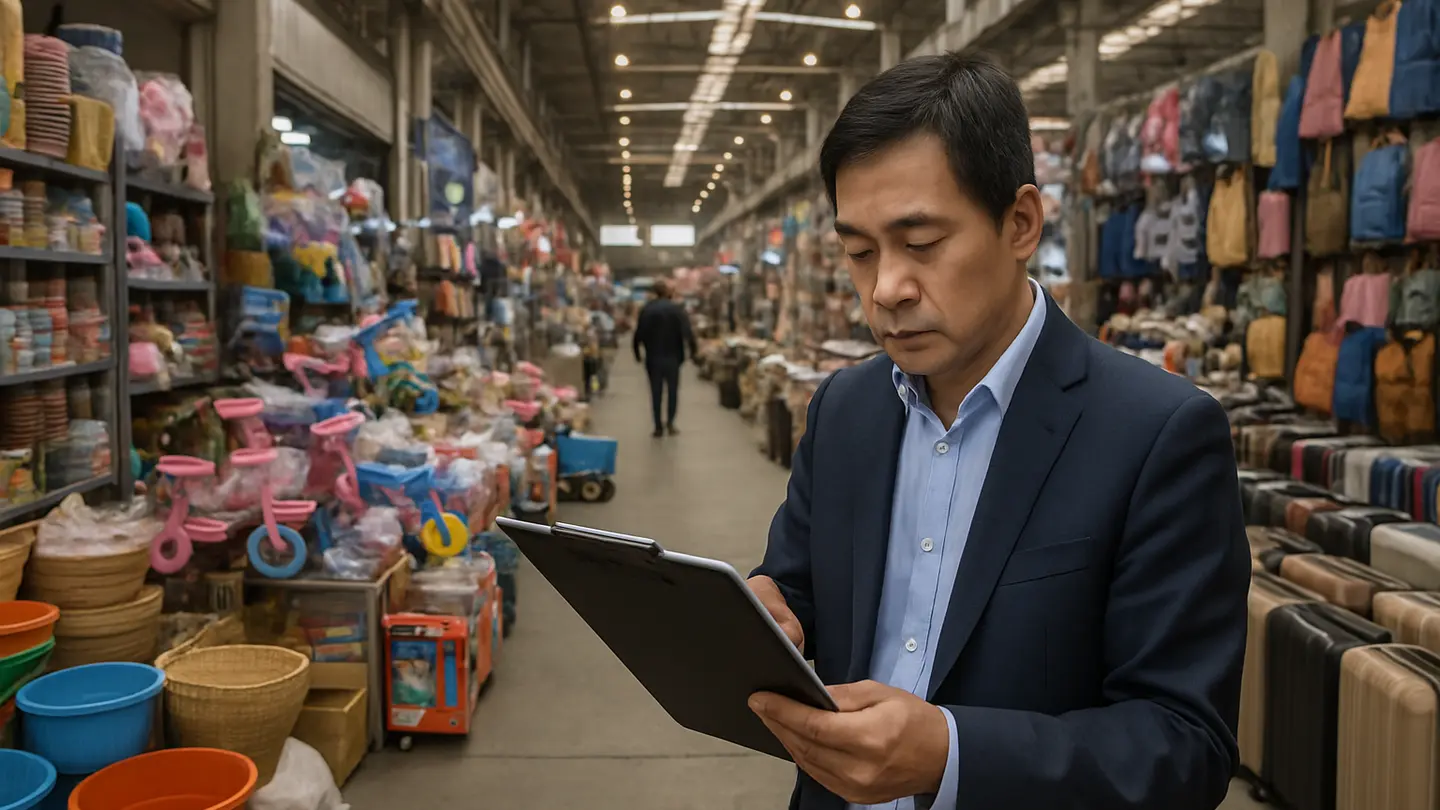
Yiwu International Trade City is a large wholesale marketplace in Zhejiang, China, built around small consumer goods. It is particularly useful for buyers seeking inexpensive, fast-moving products with many design variations, modest order values, and relatively flexible specifications.
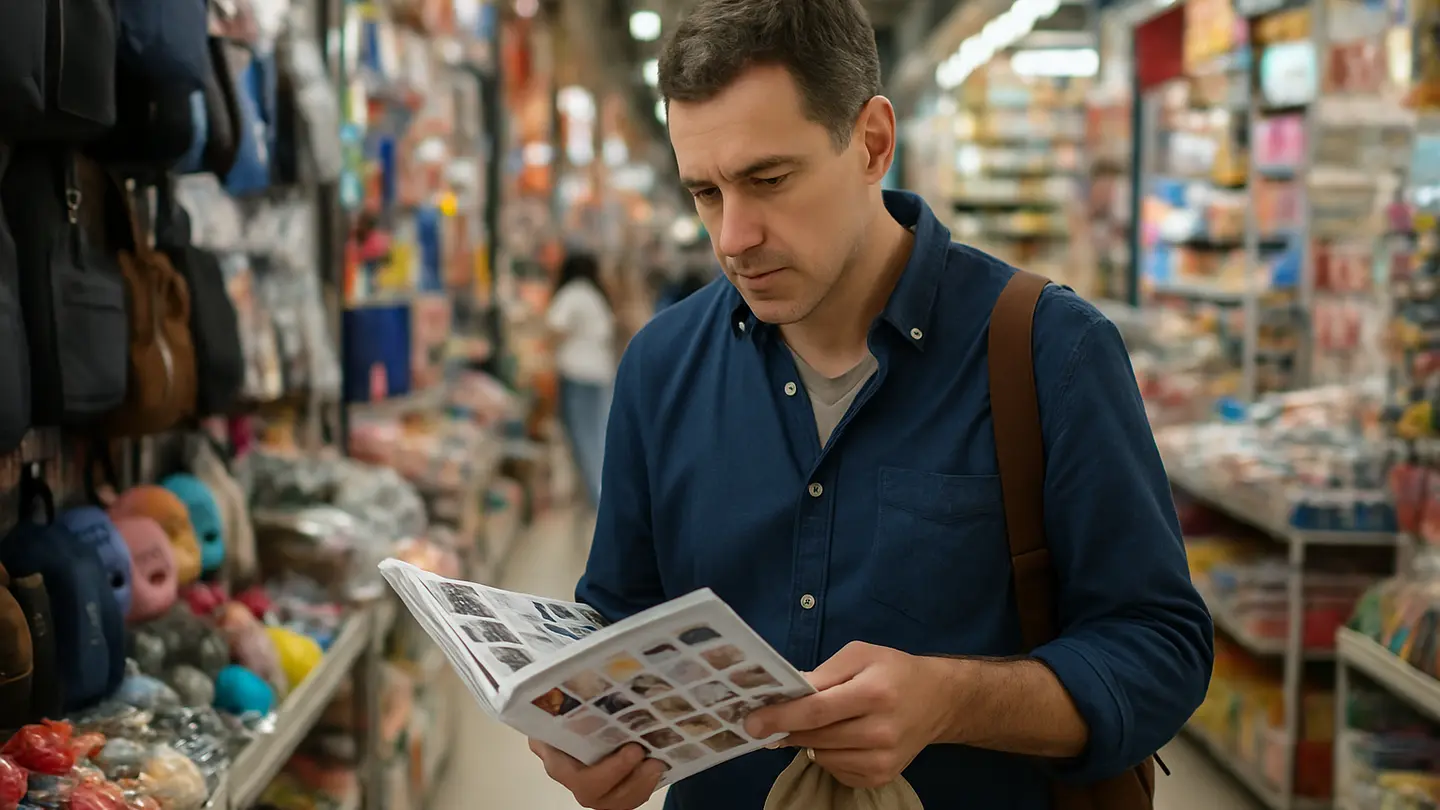
Rather than visiting one factory at a time, buyers can compare numerous suppliers selling similar products within the same district. A single day may cover dozens of variations of party decorations, hair accessories, stationery sets, kitchen gadgets, artificial flowers, or seasonal merchandise. That concentration is Yiwu’s main advantage.
However, a market booth is not automatically a factory. Sellers may be:
- Manufacturers selling directly through a showroom;
- Factory representatives handling sales for one or more production sites;
- Trading companies that coordinate products from several factories;
- Wholesalers focused on ready-stock or low-volume mixed orders.
This structure can work well for importers testing product demand or building a varied catalogue. Many suppliers are accustomed to carton-based purchases, allowing buyers to assemble mixed orders from several vendors rather than committing immediately to a container load from one factory.
The trade-off is control. A showroom sample may not fully represent the final production batch, particularly where materials, components, packaging, or colors can vary. Buyers should verify who manufactures the goods, where production occurs, and who will be accountable if the delivered product differs from the approved sample.
Yiwu is strongest when product selection, visual appeal, and low unit cost matter more than highly specialized engineering. For technically complex, regulated, fragile, precision-made, or safety-critical goods, a specialized manufacturing cluster is often a better starting point.
Yiwu Market Product List by District
Yiwu International Trade City is generally divided into five main districts. Product placement can change over time, but the following overview helps buyers plan an efficient visit.
| District | Common Product Categories | Best Use for Buyers |
|---|---|---|
| District 1 | Toys, crafts, artificial flowers, ornaments, fashion jewelry | Gift items, hobby products, decorative goods, children’s product research |
| District 2 | Bags, umbrellas, hardware, tools, household fittings, small appliances | Accessories, basic utility products, travel goods, simple hardware |
| District 3 | Stationery, sports goods, cosmetics, eyewear, garment accessories | School and office goods, low-risk lifestyle accessories, packaging components |
| District 4 | Socks, knitwear, footwear, belts, scarves, apparel-related goods | Fashion basics, accessories, seasonal clothing lines |
| District 5 | Home textiles, fabrics, imported goods, vehicle accessories | Soft furnishings, textile-based items, selected automotive accessories |
District 1 is a useful starting point for toys, artificial flowers, decorative ornaments, crafts, and fashion jewelry. Buyers looking for low-cost giftable products, seasonal displays, or party lines will find broad variation in design and packaging.
District 2 includes bags, umbrellas, basic hardware, tools, household fittings, and small appliances. It can be productive for simple, non-specialized utility goods, although electrical items require extra caution because of safety, documentation, and component-consistency concerns.
District 3 is associated with stationery, sports goods, cosmetics, eyewear, and garment accessories. It suits buyers assembling back-to-school ranges, office-supply assortments, low-cost sports accessories, or fashion add-ons.
District 4 concentrates on socks, knitwear, footwear, belts, scarves, and other apparel-related products. Here, material composition, sizing consistency, color fastness, and labeling deserve close attention. A low price can conceal differences in yarn quality, stitching density, elastane content, or packaging.
District 5 includes home textiles, fabrics, imported goods, and vehicle accessories. Buyers may find cushion covers, blankets, curtains, bedding-related items, and selected automotive accessories. Textile buyers should still request composition details and pre-production samples rather than relying on a display item.
Product Categories Worth Buying in Yiwu
The most suitable Yiwu market product list is built around categories where variety, trend awareness, packaging, and price are more important than advanced technical performance. These products are typically easier to compare between sellers and more practical to purchase in mixed cartons.
Party supplies and seasonal decorations
Party goods are one of Yiwu’s clearest strengths. Buyers can source balloons, banners, disposable tableware, cake decorations, photo props, gift bags, wrapping accessories, and themed decorations across many price levels.
Seasonal products can also be attractive, including Christmas ornaments, Halloween decorations, Lunar New Year items, wedding decor, and promotional merchandise. The key risk is timing. Seasonal goods must be selected, sampled, produced, shipped, cleared through customs, and delivered well before the retail season begins. Ordering close to the selling period can turn a low unit price into an unsellable inventory problem.
Fashion jewelry and personal accessories
Fashion jewelry, hair accessories, keychains, cosmetic bags, travel accessories, and low-cost gift items are well suited to market sourcing. Buyers benefit from a large range of styles and can compare plating, clasps, stones, packaging, and display formats in person.
These categories still require discipline. For jewelry, confirm base materials, coating type, nickel or other restricted-substance requirements where relevant, product labeling, and packaging durability. A design that looks identical may use different alloys, plating thicknesses, or fastening components.
Stationery, crafts, and school-related products
Stationery is a practical category for Yiwu because product assortments can be built from multiple suppliers. Common options include notebooks, pens, stickers, pencil cases, planners, art supplies, storage items, and classroom accessories.
Craft products, DIY kits, decorative tape, beads, basic art materials, and gift-wrapping products can also work well. For children’s craft items, however, buyers should consider whether the product is treated as a toy or children’s article in the destination market. Age grading, small-part risks, chemical restrictions, and labeling requirements may apply.
Small household goods and kitchen tools
Simple household products often offer steady demand and manageable sourcing risk when specifications are clear. Examples include storage baskets, cleaning accessories, hooks, lint rollers, organizers, silicone tools, measuring spoons, manual kitchen gadgets, and basic bathroom accessories.
Food-contact items need additional scrutiny. A kitchen utensil may appear simple but can still require material declarations, migration testing, or destination-market labeling. Buyers should identify the actual material grade—not merely “silicone,” “stainless steel,” or “plastic”—and make sure test reports cover the exact finished product.
Toys and low-complexity novelty items
Yiwu offers substantial toy variety, especially plush products, novelty items, simple outdoor toys, party favors, and low-cost games. It is useful for finding styles and testing a concept in smaller quantities.
For a large custom toy program, specialized manufacturing clusters may be more suitable. Those suppliers may offer stronger support for tooling, product development, safety documentation, consistent materials, and controlled mass production. Toy buyers should never assume that an available showroom item is automatically compliant in their destination market.
Products to Avoid or Source With Extra Caution
Yiwu is not unsuitable for every higher-risk category, but buyers should not treat the market as a shortcut around product engineering, compliance, or quality management.
Electronics and electrical goods
Electronics are among the most caution-sensitive categories. A seller may offer the same-looking charger, LED product, power bank, Bluetooth accessory, or small appliance at several price points, but the internal components may differ significantly.
Potential issues include inconsistent batteries, unverified chargers, inadequate insulation, unreliable connectors, incomplete safety documentation, and weak after-sales support. A test report for one model, factory, or production run does not automatically apply to another.
If electrical products are considered, buyers should verify the producer, component sourcing, certifications required for the destination market, labeling, plug configuration, packaging warnings, and batch-level quality controls.
Branded, logo-bearing, and character-based merchandise
Avoid products carrying unauthorized trademarks, logos, sports-team branding, designer patterns, or copyrighted characters. Even if a supplier claims that an item is “export quality” or widely sold, unauthorized goods can be detained, destroyed, or seized by customs authorities.
The risk is not limited to obvious counterfeits. Packaging, printed graphics, character images, brand-like wording, and distinctive trade dress can create exposure. Importers remain responsible for what they bring into their market.
Regulated children’s, baby, and food-contact products
Baby feeding products, infant accessories, children’s goods, toys, cosmetics, personal-care products, and food-contact articles require destination-specific compliance review. The applicable rules vary by country and product type.
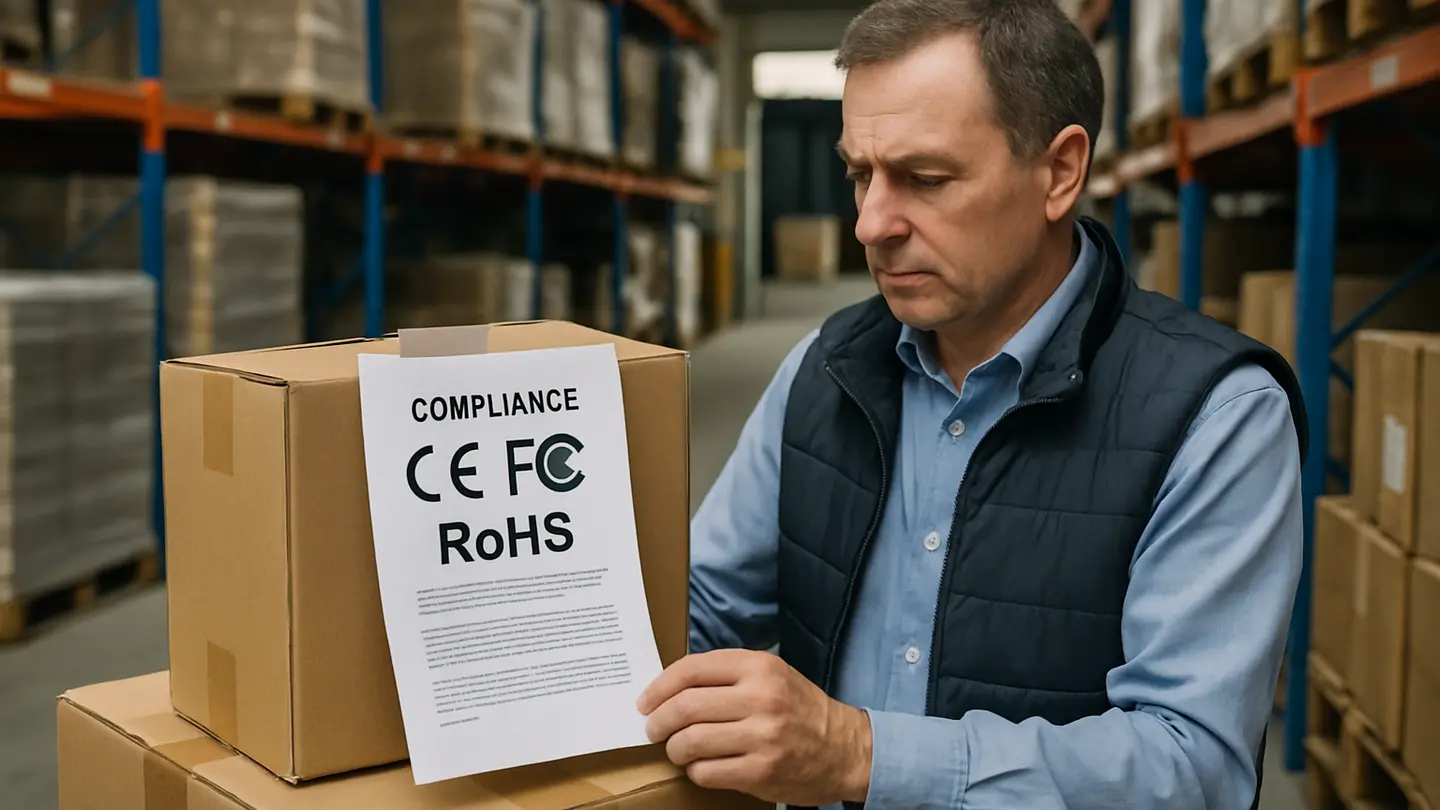
For example, a baby cup, teether, toy, or plastic lunch box may require testing for physical safety, chemicals, material migration, labeling, traceability, warnings, or age grading. Do not accept generic documents without checking whether they match:
- The exact product model;
- The actual factory producing the item;
- The relevant material and component configuration;
- The destination market’s required standard;
- The current version of the applicable test method.
Precision, fragile, or warranty-dependent goods
Products requiring tight tolerances, calibration, long-term reliability, or dependable warranty service are usually better sourced from specialized manufacturers. Examples may include professional tools, medical-related products, complex machinery parts, high-value glassware, and products with complex moving components.
The more expensive the consequences of failure, the more important it is to investigate the production system rather than relying on a market display.
How to Source Successfully at Yiwu Market
A productive market trip is not simply a shopping exercise. It should be treated as supplier discovery followed by structured qualification.
First, obtain paid samples or production-representative samples. Showroom products may be older versions, premium display samples, or items assembled from available stock. The sample should confirm materials, color, finish, dimensions, functionality, packaging, and any agreed labeling.
Second, clarify the supplier’s role. Ask whether the booth is operated by the manufacturer, a sales office, or a trading company. A trader is not necessarily a problem; it may simplify mixed orders. But responsibilities must be explicit. Establish who controls production, who approves packaging, who handles defects, and who provides compliance documents.
Third, negotiate the full commercial package together:
- Minimum order quantity;
- Unit price by volume tier;
- Product specifications;
- Material and color requirements;
- Packaging and carton marks;
- Payment schedule;
- Production lead time;
- Delivery term;
- Defect allowance and claim procedure.
A low headline price can become expensive if packaging is poor, the MOQ is unrealistic, or product substitutions occur during production.
For mixed orders, consolidation is often valuable. Goods from several suppliers can be delivered to one warehouse, counted, checked, labeled, and packed into export cartons before shipment. This reduces the complexity of coordinating multiple separate deliveries.
Before final shipment sealing, inspect cartons and product assortments. Mixed orders are particularly prone to errors: wrong colors, missing variations, incorrect carton quantities, mixed product codes, or packaging from another buyer’s order. Carton-level inspection can catch issues that are difficult to fix once cargo is in transit.
Should You Visit Yiwu or Source Remotely?
An in-person visit is most valuable when buyers are still building a product range, comparing many material options, or trying to understand differences that photographs do not show. Weight, stitching, finish, smell, flexibility, plating, print quality, and packaging strength are easier to assess physically.
A visit can also uncover products that do not appear clearly in online catalogues. Some sellers show their wider range only in the booth, and direct discussion may reveal different quality grades, packaging options, or production constraints.
Remote sourcing is practical for repeat purchases, established specifications, and suppliers that have already performed well. It can reduce travel time and make reorders faster, but it requires more detailed control. Buyers should provide measurable specifications rather than broad descriptions such as “good quality” or “premium finish.”
A remote brief should define, where applicable:
- Product dimensions and tolerances;
- Materials and component requirements;
- Color references;
- Required weight or thickness;
- Packaging layout;
- Product and carton labeling;
- Acceptable defect criteria;
- Required test reports;
- Target price and order quantity.
A sourcing agent can help shortlist suppliers, collect samples, translate negotiations, arrange factory checks, consolidate orders, and coordinate inspection. However, using an agent does not remove the importer’s responsibility for product suitability, compliance, and final commercial decisions.
FAQ
Q1: Are Yiwu prices actually better than online?
Not always. Yiwu may offer lower unit prices for some products, particularly when buyers compare many suppliers directly and purchase mixed cartons. But travel, accommodation, agent fees, sample charges, consolidation, inspection, freight, duties, and local delivery can offset a lower supplier quote.
Compare total landed sourcing cost, not just the price shown in a booth or online listing. The main value of visiting Yiwu is often the ability to physically compare products, negotiate specifications, and identify suitable suppliers—not simply obtaining the lowest possible price.
Q2: Do I need a company or an import license to buy here?
A market vendor may be willing to sell to an individual buyer or a company, but that does not determine whether the goods can be legally imported into the destination country.
China-side export declarations require an eligible exporter. Destination-country requirements depend on the product category, shipment value, importer status, customs rules, taxes, and any applicable licensing or product regulations.
Before placing an order, establish who is responsible for export documentation, freight booking, customs clearance, duty payment, brokerage, product compliance, and delivery after arrival.
Q3: How do I compare two shops selling what looks identical?
Compare the physical specification, not only the design. Check weight, thickness, materials, stitching, finish, component quality, color consistency, packaging, carton strength, and labeling.
Small differences can explain large price gaps. A lower-priced item may use thinner plastic, lower-grade metal, weaker adhesive, reduced filling, fewer stitches, lighter fabric, or simpler packaging. Ask each supplier to provide a written quotation tied to the same specification and packaging requirement.
Q4: Is everything at Yiwu low quality?
No. Yiwu suppliers often offer several quality and price tiers for the same product type. The lowest-cost version may be shown first because it attracts price-focused buyers, but higher-grade options may be available on request.
Quality must be defined rather than assumed. Inspect samples, request the intended grade, document materials and packaging, and make sure the production order refers to the approved sample. Quality control is not about finding a “good” market or “bad” market; it is about setting measurable requirements and verifying that the delivered goods meet them.
Conclusion: Match Your Product Strategy to Yiwu’s Strengths
Yiwu is most effective for discovering and testing low-cost, small consumer products that benefit from broad design choice and mixed-order purchasing. Party supplies, accessories, stationery, craft goods, seasonal decorations, simple household products, and selected textile items can fit the market’s structure well.
The best Yiwu market product list is not the longest list. It is a focused selection of products whose quality can be clearly specified, economically inspected, legally imported, and efficiently consolidated.
Every order should still follow basic import discipline: approve samples, identify the responsible supplier, verify manufacturing arrangements, review compliance obligations, inspect goods before export, and coordinate logistics across all vendors. Yiwu can provide exceptional variety, but variety is only valuable when paired with controlled sourcing decisions.
About the Author
The editorial team covers China sourcing, international procurement, supplier evaluation, quality control, and import planning for B2B buyers. Its articles focus on practical purchasing decisions, with attention to commercial risk, product compliance, and supply-chain coordination.